
...

Wedding Guest Dress Manufacturing Solutions

Develop occasion-ready wedding guest collections with controlled fit, fabric, sampling, bulk production, quality and seasonal delivery planning.

  • Built for multi-style wedding guest and occasionwear programs commonly spanning 10-30 styles and 20,000-80,000 pieces per order program.
  • Development coverage includes midi, maxi, halter, one-shoulder, strapless, corset, backless, ruched, lace, satin, chiffon and structured occasion silhouettes.
  • Sample-to-bulk controls cover fabric, lining, fit, measurements, workmanship, PP approval, inline QC, packing and repeat-order records.
  • Duolan’s manufacturing network includes 300 sewing lines and 50+ flexible lines for parallel development, seasonal production and replenishment planning.

Wedding Guest Dresses Need a Distinct Manufacturing Approach

Wedding guest collections sit between fashion, occasionwear and social dressing. Product decisions must balance polish, comfort, camera appearance, fit security and seasonal relevance without drifting into bridal gown construction or generic partywear. Manufacturing standards must preserve those distinctions at volume.

CategoryCommercial RoleDevelopment FocusManufacturing Priority
Wedding Guest DressRefined social-event dressing for ceremony, reception and destination occasionsColor, proportion, comfort, fabric quality, camera-ready finishFit stability, drape, lining, surface quality, repeatable workmanship
Bridesmaid DressCoordinated wedding-party dressingColor continuity, size range, group consistencyDye-lot control, grading, repeat measurements, delivery synchronization
Cocktail / Occasion DressEvening and semi-formal social dressingSilhouette impact, polish, movement, body balanceStructure, fit, finish, seam quality, trim control
Bridal / Wedding GownCeremony-focused bridal productBridal construction, specialized fitting, couture-level laborNot Duolan’s core product positioning

Built for Established Wedding Guest and Occasionwear Programs
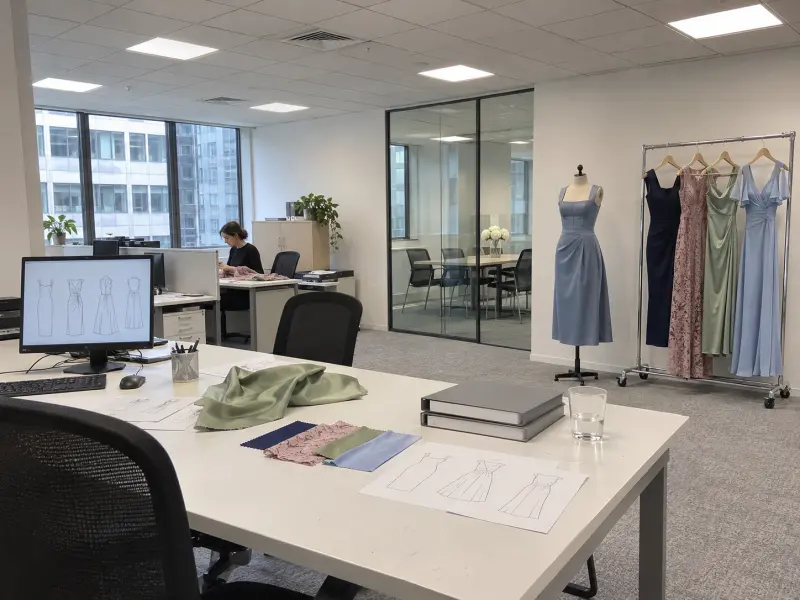
Duolan works best when a brand team has a clear product direction, collection calendar or production objective and needs a manufacturing partner able to connect design decisions with repeatable sample and bulk standards across recurring seasonal programs.

Established Occasionwear Brands

Brands running recurring wedding guest, cocktail, formal, social-event or occasion-led drops need more than isolated style execution. Product lines usually mix commercial midi shapes, elevated maxi dresses, satin or lace statements, structured fitted pieces and seasonal color extensions. Duolan can review the collection as a connected program, align fabrics and fit priorities across styles, define sample purposes, separate high-risk designs from straightforward production styles and prepare the approved standards needed for bulk. The value sits in maintaining a recognizable brand silhouette while keeping material behavior, workmanship and production timing under control across multiple launches.

Product and Sourcing Teams

Product, merchandising and sourcing teams often arrive with tech packs, reference images, fitting comments, approved standards, quantity plans and launch dates. Duolan can work from those inputs without reducing the project to a quick price exercise. Development starts by identifying fabric behavior, construction risk, fit-critical measurements, required sample stage and bulk-readiness gaps. Clear comments are translated into pattern, measurement, workmanship and material actions. Formal production planning then connects approved samples, BOM details, color and size breakdowns, QC checkpoints, packing requirements and shipping dates so internal brand teams can manage one controlled path instead of separate factory conversations.

Multi-Brand and Retail Groups

Multi-brand groups and established retail organizations need factories able to handle different style complexities, calendars and quality levels without losing control when several programs run together. A wedding guest capsule may overlap with graduation, cocktail, holiday, resort or formal launches, creating pressure on sample rooms, materials, production lines and inspection timing. Duolan’s multi-factory structure allows project allocation by silhouette, fabric, workmanship and delivery requirement rather than sending every style through one production route. Shared records for patterns, BOMs, fit notes, QC points and packing instructions also make repeat programs and seasonal extensions easier to organize.

What Strong Wedding Guest Manufacturing Programs Must Control

Reliable wedding guest production depends on connected decisions. Brand positioning, material behavior, fit, sample accuracy, bulk consistency and seasonal timing need defined control points before volume increases or delivery pressure begins across a multi-style collection.

Category Direction

Wedding guest dresses must feel polished enough for a ceremony and reception while remaining wearable, photogenic and commercially distinct from bridesmaid, bridal or nightclub product. Development should define occasion level, consumer profile, season, channel, length mix and visual intensity before fabric or construction decisions are finalized. A garden-wedding midi and a formal evening maxi may share a category name but require very different drape, coverage, structure and finish standards.

Fabric and Trim Control

Satin, crepe, chiffon, lace, mesh and textured woven fabrics behave differently through the bust, waist, hip and skirt. Lining weight, zipper specification, cups, boning, elastic, shoulder support and decorative trims can change both appearance and production stability. Material review should therefore consider drape, opacity, recovery, skin feel, surface sensitivity, color consistency and the lead time of matching components before a sample becomes the production reference.

Pattern and Fit Accuracy

Fit carries a large share of perceived value in occasionwear. Neckline position, bust balance, waist shaping, hip ease, back stability, strap length, slit height and skirt fall all affect how a dress looks in photographs and how securely it performs through several hours of wear. Pattern corrections need to reflect the selected fabric, not only a measurement chart, while grading must preserve proportion and coverage across the intended size range.

Decision-Ready Sampling

A first sample should answer specific development questions rather than merely prove that a garment can be sewn. Each round needs a defined purpose: visual direction, fit confirmation, photography, showroom review or pre-production approval. Fabric substitutions, measurement changes, construction deviations and trim changes should be recorded as they occur. Better sample discipline reduces repeated corrections and creates a clearer bridge from approved appearance to a stable bulk standard.

Bulk Consistency

Approved appearance must be converted into production information: pattern version, measurement specification, BOM, material references, workmanship points, pressing standard, tolerance, PP reference, QC focus and packing method. High-risk styles may need first-piece or pilot verification before full release. Bulk consistency is strongest when decisions made during development remain traceable through cutting, sewing, finishing, inspection, packing and later reorder production. Traceability also makes later corrections faster and more precise.

Seasonal Timing

Wedding guest sales are event-driven. Spring and summer wedding calendars, destination events, fall occasions and evening-season launches create fixed selling windows. Development dates should work backward from campaign photography, warehouse receipt and launch timing. Fabric readiness, sample rounds, PP approval, production complexity, inspection and freight all need enough room. A fast promise is less useful than a schedule that protects the launch window and leaves recovery time for material or fit corrections.

Build Wedding Guest Collections Around Real Occasion Scenarios

Strong wedding guest programs are not random assortments of dresses. Each group should connect occasion level, silhouette, fabric, color, wearing conditions, photography needs and launch timing to a clear commercial role inside the wider seasonal collection.

Garden and Daytime Wedding Collections Balance Polish and Ease

Daytime and garden wedding product needs refinement without excessive weight, shine or restrictive structure. Midi and fluid maxi lengths often work well because they photograph elegantly, move comfortably outdoors and can cover a wider range of ceremony formats. Chiffon, lightweight crepe, soft satin, lace overlays and selected textured wovens can create enough occasion value while keeping the garment wearable through a long event. Fabric selection should be judged under daylight because pale colors, floral grounds and lightweight constructions reveal transparency, lining mismatch and surface irregularities more easily than dark evening fabrics.

Development starts with the desired body line. A fitted waist with a fluid skirt needs different pattern distribution from a straight slip silhouette. Necklines such as halter, one-shoulder or soft cowl shapes require coverage and support testing rather than visual approval alone. For floral or engineered prints, placement at center front, side seams and key panels needs a repeatable cutting plan. Soft colors also require careful lining tone and lab-dip control so the finished garment does not shift warmer, greyer or more transparent between sample and bulk.

A commercial day-wedding group should usually include a mix of easy-wear core shapes and stronger image styles. One dramatic open-back maxi may lead campaign imagery, while several midi silhouettes carry broader sales volume. Duolan can help translate a collection direction into fabric families, fit checkpoints and sample priorities so visual impact does not come at the expense of comfort, production repeatability or delivery timing.

City and Cocktail Wedding Styles Need Controlled Structure

City ceremonies, hotel receptions and cocktail-format weddings usually allow a sharper silhouette, cleaner surface and more structured finish. Satin midi dresses, asymmetric necklines, corset-inspired bodices, sculpted waist seams, fitted crepe shapes and lace-accented styles can work well when the garment remains refined rather than moving into clubwear. The manufacturing challenge comes from precision. Minimal surfaces show seam puckering, uneven pressing, zipper distortion and fit imbalance immediately, while fitted bodices magnify small errors around the bust, waist and upper back.

Fabric and structure need to be developed together. A heavier satin may support a clean body line but create seam drag if needle, tension and pressing are not matched. A lighter satin can drape beautifully yet require better lining and careful construction around darts, zippers and bias areas. Structured bodices may need cups, interlining or boning, but support should remain comfortable enough for several hours of wear. Neckline stability is especially important on strapless, asymmetric and one-shoulder shapes because movement at the reception exposes weak pattern balance very quickly.

For brand programs, city and cocktail styles also need controlled visual consistency across colorways. Black, wine, navy, chocolate and jewel tones can hide minor transparency but reveal shine and pressing differences. Pastels place more pressure on lining, opacity and surface cleanliness. Duolan’s development approach should therefore link material, pattern, pressing, fit and color approval before the style becomes a production standard.

Destination Wedding Collections Must Travel and Move Well

Destination weddings create a different product brief. Dresses may be packed in luggage, worn in heat, photographed outdoors and used across ceremony, dinner and travel occasions. Fluid maxis, halter dresses, open-back shapes, lightweight sets and soft satin or chiffon constructions often fit the category, but a successful sample needs to be assessed for movement, wrinkle behavior, coverage and recovery after packing. A visually beautiful fabric can still be a poor choice if it creases heavily, becomes transparent in sunlight or loses shape in humid conditions.

Long skirts need enough walking volume without becoming difficult on stairs, sand or outdoor surfaces. Halter necklines need balanced neck pressure and bust support. Open backs require stable side seams and secure upper-body construction so the garment does not shift during movement. Lightweight linings must follow the outer fabric without creating static, bulk or an obvious color difference. For printed destination styles, print scale and placement should work across the size range rather than looking correct only on the development size.

Production planning also needs to respect destination season timing. Campaign samples, social content and travel-themed launches often begin well before the main wedding period. A useful manufacturing plan therefore connects photo sample timing, fabric confirmation, bulk release, freight mode and possible replenishment. Duolan can support the collection as a seasonal program rather than treating each lightweight dress as an unrelated order.

Formal Evening Wedding Programs Require Refined Finish Discipline

Formal evening weddings raise expectations for fabric depth, structure, proportion and close-range finish. Structured satin, crepe, lace, jacquard, selected mesh constructions and controlled embellishment can support a stronger occasion message. Maxi lengths, sculpted bodices, elegant sleeves, asymmetric draping and refined slit placements are common directions, but every visual decision increases the need for precise pattern work and stable bulk execution. Formal product is often inspected at closer distance and under artificial lighting, where uneven seams, surface marks and inconsistent pressing become more visible.

Silhouette must be established before decoration. Boning, cups, interlining and lining should create support without making the dress rigid or uncomfortable. A high slit needs reinforcement, controlled opening and safe wear during sitting and walking. Lace placement needs symmetry and clean edge handling. Jacquard requires attention to motif direction and seam matching. Embellished sections need secure attachment, skin protection and packing methods that reduce crushing or abrasion during transport.

Formal programs also benefit from a clear style hierarchy. A brand may use a high-impact hero style for campaign work, structured commercial dresses for core sales and cleaner repeatable silhouettes for replenishment. Duolan can separate high-risk construction from scalable styles during development, set the right sample path for each group and preserve approved workmanship standards for bulk production and future color or fabric extensions.

Wedding Guest Silhouettes Developed for Fit and Production

Silhouette choice changes fabric demand, pattern balance, support, finishing and grading. Duolan develops wedding guest styles around the garment result rather than treating neckline, length and decorative details as isolated design features selected only for appearance.

Satin Midi and Slip

Satin midi and slip dresses look simple because decoration is limited, yet the clean surface exposes every pattern and sewing decision. Bias areas can twist, side seams can wave, darts can mark the surface and poorly matched lining can change the drape. Development should confirm satin weight, shine level, skin feel, opacity and recovery before the pattern is finalized. Strap length, cowl depth, bust coverage, waist balance and hem fall need checking on-body. For bulk, needle selection, seam tension, pressing temperature, handling and packing become part of the product standard because surface damage can reduce perceived quality immediately.

Ruched and Draped Midi

Ruching and draping can create a flattering wedding guest silhouette by softening the waist and hip while adding visual movement. Production becomes risky when gathering volume, anchor points, elastic tension or drape direction are left to individual sewing interpretation. Development should define where fullness starts and ends, how much fabric enters each section and how the drape changes across sizes. Stretch behavior also matters because identical gathering on two fabrics can produce very different body compression and visual depth. Bulk control needs repeatable notch positions, stitch settings, measurement checkpoints and pressing guidance so the finished group looks intentional rather than randomly gathered.

Halter Occasion Dress

A halter wedding guest dress is a load-bearing design, not only a neckline variation. Neck pressure, bust support, armhole coverage, side-body security and back structure all interact. A neckline that looks clean on a mannequin may pull uncomfortably after several hours of wear or create gaping when the wearer moves. Duolan reviews strap width, tie or closure method, front neckline balance, bust shaping and back anchoring against the selected fabric. For longer silhouettes, skirt weight must also be considered because a heavy lower body can transfer tension upward. Grading should preserve coverage and support rather than simply enlarging every measurement proportionally.

One-Shoulder Dress

One-shoulder dresses rely on asymmetric balance. The supported side must carry enough tension to stabilize the neckline while the open side needs clean coverage and a secure armhole. If the pattern is unbalanced, the garment can rotate, lift at the waist or collapse across the bust. Development should check shoulder angle, neckline tension, side seam position, internal support and zipper placement together. Stretch satin, crepe and fitted woven constructions each require different solutions. Bulk work needs careful left-right component control, consistent seam allowance and pressing discipline because asymmetry makes even small distortions noticeable in photography.

Strapless Structured Dress

Strapless occasionwear requires an internal support system able to hold shape without relying on shoulder straps. Cup position, underbust contour, boning placement, top-edge tension, back width and waist shaping must work as one structure. A visually attractive sample can still fail if the top edge gaps, rolls or drops during movement. Duolan can adjust pattern balance, cup volume, interlining and boning according to outer fabric weight and intended fit. Production standards should specify internal components, attachment points, top-edge finish and critical measurements. Fit review across the size range is especially important because bust proportion does not grade at the same rate as waist and body width.

Corset and Bustier Dress

Corset-inspired wedding guest dresses need enough structure to shape the body while remaining appropriate for social occasion wear. Boning channels, cup shape, panel seams, underbust placement, back closure and lining determine both support and comfort. Fabric choice changes how sharply the bodice holds its line; soft satin may need additional stabilization, while firm woven cloth can create excessive rigidity if internal layers are too heavy. Development should confirm whether the visual objective is sculpted, softly structured or body-contoured. Before bulk, panel matching, boning length, cup position, seam symmetry and closure strength need defined checks so the silhouette remains stable across production.

Backless Wedding Guest Dress

Backless styles need front-body stability because much of the normal support structure has been removed. Side seam position, neckline shape, strap route, waist anchoring and back opening depth determine whether the garment remains secure. Halter-backless combinations also need careful neck load and bust coverage. A lightweight fabric may require concealed elastic, internal support or adjusted lining to prevent shifting, while a structured fabric may need more precise shaping around the side body. Duolan develops back exposure as part of the pattern system rather than cutting away fabric after the fit is established. Bulk inspection should include back symmetry, strap length, side-body coverage and seam stability.

Lace and Sheer-Detail Dress

Lace and sheer details can give wedding guest dresses a refined occasion finish without heavy embellishment. Quality depends on flower scale, motif placement, transparency, lining color, edge treatment and seam positioning. Lace panels should be planned around the pattern so important motifs do not break unpredictably at the bust, waist or center front. Sheer areas need coverage appropriate to the intended market and wearing occasion. Duolan can assess whether scalloped edges should be used as finished hems or necklines, whether motifs need symmetrical placement and how the lining should interact with skin tone and outer color. Bulk cutting requires clear placement standards to prevent visible variation between garments.

Fabric Directions for Commercial Wedding Guest Collections

Fabric choice determines silhouette, fit, comfort, visual finish and bulk stability. Duolan reviews fabric by garment behavior, not only fiber name, so development decisions connect directly to the intended wedding guest result and production method.

Satin, Crepe, and Woven Fabrics Need Drape Control (1)

Satin

Satin remains central to wedding guest collections because it can move from minimal daytime polish to formal evening dressing through changes in weight, shine and construction. Development should define whether the target is fluid, softly structured or body-skimming before a satin is approved. Key checks include drape, opacity, seam marking, snag sensitivity, color depth and pressing response. Bias sections and fitted areas need additional attention because the same cloth can behave differently across grain directions. For bulk, needle size, stitch tension, handling, pressing and packing should be locked alongside the fabric reference to protect the surface from puckering, shine damage and transit creasing.

Crepe

Crepe is valuable for wedding guest dresses that need clean body lines, controlled drape and a less reflective surface than satin. Lightweight crepe can create fluid midi and maxi styles, while denser constructions support fitted seams, sleeves and structured waistlines. Fabric selection should consider stretch, recovery, opacity, hand feel and resistance to seam grin. A crepe with too much mechanical stretch may distort a fitted pattern; a rigid version may require additional ease around the bust and hip. Duolan can compare fabric behavior against the target silhouette before sampling and set lining, zipper, seam and pressing standards that remain workable through bulk production.

Chiffon

Chiffon suits garden, destination and soft formal wedding guest styles because of its movement and light visual weight. Manufacturing control is needed around transparency, layer count, lining, static, edge finishing and hem balance. A long chiffon skirt can look elegant on a fitting stand yet become uneven after hanging if bias areas drop at different rates. Development should allow the fabric to settle before final hem approval. Pale colors need daylight opacity review, while printed chiffon requires attention to print scale and panel placement. Bulk standards should define lining length, shell-to-lining relationship, edge finish and pressing so movement stays clean without creating twisted seams or puckered hems.

Lace

Lace brings texture and occasion value, but visual quality depends on how the pattern uses the motif. Flower scale, direction, scalloped borders, transparency, stretch and base construction should be reviewed before cutting. A generic layout can break motifs at visible seams and reduce the premium effect. Duolan can plan placement at bodices, necklines, sleeves, waist seams and hems, then coordinate lining color and coverage to achieve the intended depth. For mirrored or balanced designs, left-right matching needs clear cutting references. Bulk control should include motif orientation, edge use, seam cleanliness and snag protection during handling and packing.

Mesh

Mesh allows sheer layering, fitted panels and soft visual transitions, especially in contemporary occasionwear. Key decisions include stretch percentage, recovery, transparency, hand feel and compatibility with lining or power mesh. A mesh panel that stretches too easily can distort neckline or side-body fit; insufficient recovery can cause gaping after wear. Development should test seam tension, edge finishing and support where mesh meets satin, lace or structured fabric. Duolan can also review whether transparency remains appropriate across light and dark colorways. Production checks need consistent panel direction, controlled stretch during sewing and clean junctions between sheer and opaque sections.

Jacquard and Textured Woven

Jacquard and textured woven fabrics give wedding guest collections a stronger visual identity through motif, surface depth and shape retention. They work well for structured midi dresses, formal silhouettes and seasonal statement styles. Development should assess motif scale, direction, weight, seam thickness, fraying, pressing and how the fabric behaves around darts or curved panels. Large motifs may require placement planning to avoid awkward breaks across center front, waist seams or side panels. For bulk, cutting efficiency must be balanced with visual consistency. Duolan can set motif orientation, panel matching, interlining, seam and pressing rules before the fabric moves into volume production.

Fabric Control Goes Beyond Choosing the Right Material

A suitable fabric still needs controlled execution. Wedding guest dresses place high visual pressure on drape, transparency, surface finish, color and lining, making fabric-to-garment engineering essential before sample approval and bulk release across multiple colorways.

Drape, Opacity and Lining Must Be Developed Together

Drape determines how a wedding guest dress moves around the bust, waist, hip and skirt, but the outer fabric never works alone. Lining changes weight, friction, transparency and the way the shell hangs on the body. A satin slip with a rigid lining can lose the fluidity that made the outer fabric attractive. A chiffon maxi with a lining that is too short or too heavy can show a visible step line. Pale lace and mesh styles may look refined under studio lighting yet become too transparent in daylight if lining color and coverage are not tested early.
Duolan reviews shell and lining as a system. Development checks can include fabric weight, stretch, recovery, opacity, skin feel, drape, color relationship and movement after sewing. Fit samples should be evaluated with the intended lining rather than a temporary substitute whenever lining materially affects silhouette. For fitted styles, the lining also influences body compression and seam movement; for fluid styles, friction between layers affects fall and static.
Before bulk, the approved outer fabric and lining references need to be locked together with their construction method. Any substitute should be assessed for more than visual similarity. A change in weight, finish or stretch can require pattern, ease, seam, zipper or pressing adjustments. Material control therefore protects both the approved look and the repeatability of production. A documented shell-and-lining combination also gives production and inspection teams a clear reference when later lots or substitutions are reviewed.

Surface, Seams and Pressing Define Perceived Quality

Wedding guest dresses are frequently photographed at close range, worn under mixed lighting and judged through smooth surfaces such as satin, crepe and structured woven cloth. Small manufacturing defects become highly visible. Seam puckering along a satin side seam, press shine on a dark crepe panel or distorted lace edges can make an otherwise correct dress look inexpensive. Surface control begins with fabric handling and continues through cutting, sewing, pressing, finishing and packing.
Needle type, stitch length and thread tension need to match the fabric. Fine satin can show needle holes or drag if the setup is too aggressive. Stretch mesh can wave if feed and tension are not balanced. Lace edges can distort when attached without stable support. Pressing requires material-specific temperature, pressure and protective methods because heat can flatten texture, create shine or permanently mark sensitive surfaces.
Duolan can convert approved sample results into workmanship checkpoints for bulk. Those points may include seam smoothness, edge stability, panel alignment, pressing standard and acceptable surface appearance. Packing is part of the same control chain. Satin and structured bodices need enough protection to reduce creasing, crushing or trim abrasion in cartons. Surface quality should therefore be protected through shipment, not only at the sewing line.

Color and Material Batches Need Traceable Standards

Wedding guest collections often rely on coordinated color stories across several silhouettes, fabric families and reorders. A rose tone on satin will reflect light differently from the same target color on chiffon or lace. Deep colors can also vary in perceived shade because gloss, pile, texture and lining change how the garment reads. Color approval therefore needs to consider the finished product, not only a flat swatch.
Lab dips, bulk fabric lots and trim colors should be compared against approved references under consistent lighting. When a collection uses multiple materials in one garment, shell, lining, lace, zipper tape and elastic should be reviewed together. Batch changes also matter for repeat orders. Even when a fabric name and color code remain the same, hand feel, stretch, weight or shade can shift between production lots.
Duolan’s material control approach keeps approved references linked to the style record so later production can be rechecked before cutting. If a replacement or new lot changes garment behavior, the difference should be reviewed before volume release. Preserving material traceability reduces the risk of a reorder matching the purchase description while no longer matching the approved garment result. Color, hand feel and physical behavior should all remain part of the approval record when the same style returns for another season.

Fit Engineering for Wedding Guest Dresses That Stay Secure

Occasionwear fit must look refined in photographs and remain stable through standing, sitting, walking and dancing. Duolan develops fit around body balance, fabric behavior, support and exposure control rather than measurements alone or a fixed block.

Bust, Waist and Hip Balance Creates the Core Silhouette

A wedding guest dress usually communicates its value through proportion before decoration. Bust placement, waist position, hip shaping and skirt release create the visual line that distinguishes a refined fitted dress from a garment that simply meets a measurement chart. Pattern work should therefore start with the intended silhouette: body-contoured, softly shaped, bias-draped, corseted, fluid or structured. Each direction handles ease differently.
  • Bust balance is especially important in halter, strapless, cowl, one-shoulder and corset-inspired styles. Dart position, princess seams, cups, underbust shaping and neckline tension need to support the target body line without creating flattening, gaping or excessive compression.
  • Waist shaping must connect cleanly to the hip and skirt; otherwise side seams can pull forward, waist seams can rise and draped details can sit in the wrong position.
  • Duolan’s pattern and fit review links measurements to fabric behavior. Stretch satin, rigid crepe and bias-cut satin cannot use identical ease logic. Fit comments are translated into pattern corrections and measurement updates so each revision has a controlled objective. For bulk, critical dimensions and tolerance points can then be identified around bust, waist, hip, neckline, back width, strap length, slit and garment length rather than treating all measurements as equal-risk points.

Neckline, Support and Exposure Need Movement-Based Review

Wedding guest dressing often uses open necklines and exposed backs, but social-event wear still demands security. A neckline should remain stable when the wearer moves, sits and raises the arms. Strapless, halter, backless, cut-out and asymmetric designs need support routes that are not always visible from the outside. Internal elastic, cups, boning, interlining, tape, strap angles and closure placement can all contribute to stability.
  • Fit review should examine gaping at the neckline, underarm coverage, side-body exposure, bust lift, neck pressure, back tension and whether the garment returns to position after movement. A halter can look correct while standing yet become uncomfortable if skirt weight pulls on the neck. A low back can shift side seams backward if waist anchoring is weak. A strapless bodice can gradually drop if top-edge tension and internal structure are not balanced.
  • Duolan can adjust support according to fabric weight and silhouette rather than adding the same internal construction to every fitted dress. The objective is controlled wear, not unnecessary rigidity. Bulk standards then need to preserve cup placement, boning length, strap dimensions, neckline shape and internal attachment points so security remains consistent from approved sample through production. Movement checks on the approved fit also help define which areas deserve closer line and final inspection.

Grading Must Preserve Proportion Across the Size Range

Size grading is not a mechanical enlargement exercise for occasionwear. Bust shape, neckline exposure, armhole depth, waist position, hip curve, slit height and strap length do not always increase at the same rate. A proportion that works on the development size can become too open, too long or too compressed when graded without reviewing the product’s visual and support logic.
  • For fitted wedding guest dresses, grading should preserve the intended contour while maintaining movement and comfort. Corset-inspired bodices may need careful cup and underbust grading. Halter and one-shoulder styles need neckline and strap checks. High slits should remain at a consistent visual position rather than moving disproportionately with garment length. Long skirts need hem balance across sizes, especially when fabric weight or bias behavior affects drop.
  • Duolan can work to a brand’s supplied size specification and grading rules, then flag areas where fabric or construction creates additional risk. Critical measurements and tolerance can be identified before bulk so inspection focuses on the dimensions most likely to change fit or appearance. A strong size system protects consistency while preserving the silhouette language the brand approved during development. Grading review is especially valuable when the collection spans both fitted bodices and fluid skirts, because each area follows a different proportion and ease logic.

Sampling Built to Make Clear Production Decisions

Sampling should reduce uncertainty at every round. Duolan organizes references, materials, pattern work, fit comments and production standards so approved wedding guest samples can move cleanly toward photography, PP approval and bulk without losing earlier decisions.

Project Inputs Are Reviewed Before Pattern Work Begins

A useful sample starts with a clear development basis. Duolan can receive a tech pack, reference image, original sample, size specification, fabric direction, color references, collection mood or a combination of those inputs. The first review identifies what is already confirmed and what still needs definition: silhouette, target fit, fabric behavior, lining, structure, trim, color, sample purpose, quantity range and launch timing. Ambiguous points are better resolved before cutting than after a finished sample exposes conflicting assumptions. For wedding guest product, feasibility review also considers occasion level. A clean satin midi, structured corset dress and layered lace maxi do not require the same pattern path or sample checkpoints. Fabric availability and trim lead time may affect whether the proposed material can support the intended calendar. If a requested fabric does not provide enough opacity, support or drape, an alternative can be discussed before the pattern is locked. The output of the first review should be a clearer development route rather than a generic request for more files. Pattern makers and sample technicians need to understand the visual objective, fit priorities and production-sensitive details before starting. Early alignment reduces avoidable revision cycles and allows later sample comments to focus on product improvement rather than correcting missing basic information.

First Samples Test Silhouette, Fabric and Construction Together

The first physical sample should test the core product decisions: body proportion, fabric behavior, construction feasibility, neckline, support, length, drape and key details. Duolan’s pattern team can adjust the draft according to selected material behavior rather than relying only on nominal measurements. A stiff fabric may require more ease; a stretch fabric may need controlled negative ease; bias satin may need time to settle before final length is judged. Construction details also need early validation. Corset panels, cups, boning, lace placement, mesh junctions, ruching anchors, slit reinforcement, invisible zippers and lining methods can change both fit and production difficulty. Testing those elements during sampling prevents a visually approved concept from becoming unstable when scaled. Sample comments should be specific enough to translate into actions. Instead of treating feedback as a list of visual complaints, revisions can be separated into pattern, measurement, material, construction and finish changes. The updated version then has a traceable reason for every correction. Clear revision logic also helps product teams decide whether another fit sample is needed or whether the style can proceed to photography or pre-production preparation. A short revision summary can keep pattern, sample and merchandising teams aligned on the same approved direction.

Photo, Salesman and Fit Samples Serve Different Purposes

One sample cannot serve every decision equally well. A fit sample prioritizes body balance, measurements and wear performance. A photo-ready sample prioritizes visual finish, drape, color, detail placement and how the garment presents on camera. A salesman or showroom sample needs strong close-range workmanship, correct material feel and enough durability for handling, fitting and presentation. Combining those purposes without clear priorities can create confusion during approval. Duolan can define the sample stage according to the brand’s workflow. A style scheduled for campaign photography may need visual details refined before full production documentation is complete. A complex fitted design may require an additional fit round before a photo sample is worthwhile. A multi-style collection may prioritize hero pieces first for campaign deadlines while simpler commercial styles continue through parallel development. Each approved change should be captured so later samples do not lose earlier decisions. Fabric substitutions, trim changes, pattern revisions and measurement updates need to remain linked to the style. Controlled sample stages give product teams clearer decisions and create a more reliable foundation for the PP sample and bulk-production standard. For multi-style drops, stage definitions also make it easier to prioritize campaign pieces without losing control of commercial styles developing in parallel.

PP Approval Converts the Sample Into a Manufacturing Standard

Pre-production approval is where a successful development sample becomes a controlled manufacturing reference. Visual approval alone is not enough. Duolan reviews whether the final pattern version, measurements, fabric, lining, trims, color, construction, workmanship points, labels, packaging and QC focus are aligned for production. Any remaining deviation should be resolved or documented before full release. For higher-risk wedding guest styles, first-piece or pilot verification may be added before volume production. Structured bodices, satin surfaces, complex ruching, lace placement, mesh layering and sequin details can behave differently when handled repeatedly on a production line. A controlled early check allows the team to confirm sewing sequence, pressing method, support structure and critical measurements before the full order moves forward. Duolan’s broader development platform supports thousands of style-development and sampling workflows each month, allowing multiple seasonal programs to move in parallel. Capacity alone is not the objective; sample records, version control and bulk-readiness review are what make high development volume usable for established brands. The final PP basis should leave production teams with a clear standard, not a collection of disconnected comments. Approved files, physical references and unresolved points should be reconciled before the style is treated as ready for volume cutting. Release should be deliberate.

Workmanship Details That Decide the Final Occasionwear Finish

Wedding guest dresses are judged through close-range details as much as overall silhouette. Duolan controls construction points that affect surface quality, comfort, support, movement and repeatability during bulk production across different fabrics and size ranges.

Invisible Zipper Control

Invisible zippers need to sit flat through fitted side seams and center-back openings without creating waves, puckering or a visible ridge. Fabric stability around the zipper changes by material, so lightweight satin may require more support than dense crepe. Development checks zipper length, tape color, seam allowance, top finish and transition into waist seams or lining. Bulk workmanship should keep insertion depth, seam alignment and top closure consistent. A zipper that functions correctly but distorts the body line still fails the visual standard expected from an occasion dress. Top-edge alignment and surrounding pressing should also remain clean.

Lining Finish

Lining influences comfort, opacity, structure and the way the outer dress moves. It should support the shell without pulling, twisting or showing at hems and openings. Wedding guest styles may need full lining, partial lining, stretch lining, lightweight woven lining or selective coverage depending on fabric and silhouette. Development confirms lining length, color, stretch compatibility, attachment points and edge finish. Bulk inspection should check whether the lining remains concealed during movement and whether seams feel smooth against the body, especially around lace, mesh, boning and fitted waist sections. Hem allowance and shell-to-lining length should remain consistent across sizes so movement does not expose the inner layer.

Bust and Boning Structure

Internal support should create the approved shape without making the garment unnecessarily rigid. Boning length, channel position, cup placement, interlining and seam construction need to match the bodice pattern and fabric. Poorly positioned boning can twist, poke or create visible ridges; cups that sit too high or low change neckline balance. Duolan can establish internal structure during fit development, then lock component specification and attachment points for production. Bulk checks should include symmetry, support position and finished comfort, not only the presence of boning or cups. Internal seams and channel ends should also be checked for pressure points that could affect long-event wear.

Lace Placement

Lace quality is strongly affected by placement. Motifs at center front, bust, waist, sleeves and hems should look intentional, while scalloped edges need clean use where the design calls for them. Development identifies orientation, symmetry, edge use and lining relationship before bulk cutting. Large motifs may need positioning guides or paired cutting. Production inspection should check left-right balance, seam joins and whether visible motifs remain consistent enough across garments. A lace dress can use premium fabric and still look poorly made when pattern placement is random or important motifs are cut awkwardly. Cutting references should therefore be clear enough for repeated placement without excessive material waste.

Ruching Consistency

Ruching must be engineered as a repeatable construction rather than freehand gathering. The approved sample should define anchor points, gathering length, distribution, elastic or drawcord tension and final visual volume. Fabric stretch and recovery also influence how deep the folds appear. Duolan can mark critical notch positions and sewing sequence so the production line reproduces the intended waist or hip effect. Bulk QC should compare placement, density and symmetry against the approved standard because inconsistent ruching changes both fit and the apparent body proportion of the dress. Operators also need clear endpoints so gathering does not creep into zippers, side seams or hem lines.

Slit Reinforcement

High and mid-height slits need controlled opening, reinforcement and clean lining interaction. The slit should begin at the approved position, remain stable during walking and sitting, and avoid stress concentration at the top point. Fabric type affects reinforcement choice; soft satin and chiffon need different handling from structured crepe. Development confirms slit height, seam allowance, reinforcement and lining relationship. Bulk inspection should verify opening length, symmetry where relevant, top-point security and hem finish so the slit remains elegant rather than becoming a weak point under normal movement. Reinforcement should remain concealed from the outside and comfortable against the lining side.

Sequin and Beaded Edges

Decorative wedding guest styles need protection where sequins or beads meet seams, armholes, zippers, necklines and skin. Dense embellishment can add weight and make seam construction bulky. Development may require clearing embellishment from seam allowances, reinforcing the base fabric, protecting internal surfaces and defining hand-finishing points. Duolan can review attachment security and edge comfort before bulk. Production checks should look for missing decoration, loose threads, sharp areas, uneven density and abrasion risk, while packing should prevent decorated panels from scratching adjacent garments or crushing dimensional details. 

Pressing and Surface Finish

Pressing is a manufacturing process, not a final cosmetic step. Satin can develop shine or permanent marks, lace can flatten, crepe can distort and structured panels can lose shape under incorrect heat or pressure. Development should establish how the approved sample is pressed at seams, darts, hems and structured areas. Protective cloths, temperature and support tools may differ by material. Bulk finish checks should compare surface smoothness, seam shape and overall presentation against the approved garment. Packing methods should then preserve the pressed result through storage and transport rather than allowing deep folds to become the first impression at unpacking.

Converting an Approved Sample Into Stable Bulk Production

Bulk reliability begins before cutting. Duolan turns approved sample decisions into traceable production standards covering patterns, materials, workmanship, first-piece verification, inspection and packing so volume does not dilute the approved result across a full collection.

Lock the Approved Standard Before Production Release

A sample becomes production-ready only when the information behind it is aligned. Duolan’s bulk-readiness review confirms the current pattern version, size specification, fabric, lining, trims, color, workmanship points, labels, packaging and PP basis before the order is released. The review also identifies whether the sample is fully confirmed or whether a visual, fit or material point remains open. Production should not begin from assumptions hidden inside an email chain.

The order is then broken down by style, color, size and quantity. Each style is classified by construction and production risk. A clean crepe midi may follow a straightforward line; a corset satin dress may need structure-sensitive handling; a lace or embellished style may require special-process coordination; a fast replenishment style may need a flexible route. Allocation is based on the garment, not only available capacity.

For multi-style wedding guest programs, shared materials and trims can be planned together while critical differences remain separately controlled. A collection may use one satin family across several lengths and necklines, yet each silhouette still needs its own pattern, fit and workmanship standard. Locking the approved basis before bulk keeps efficiency from turning into unintended standardization. A short production-readiness note can also clarify which elements are shared across the collection and which remain style-specific control points.

Verify First Pieces and High-Risk Processes Before Full Release

High-risk construction should be tested before several thousand garments repeat the same error. Duolan can use first-piece confirmation, pilot production or key-process trials for styles with sensitive fit, structure, material or workmanship. Corset bodices, strapless support, satin surfaces, layered mesh, lace placement, complex ruching and embellishment are typical areas where early bulk behavior deserves verification.

A first-piece check compares production output against the approved standard while the line is still easy to correct. Fit-critical measurements, seam shape, support position, fabric handling, pressing, trim attachment and visual balance can be reviewed before full release. The production team can also confirm whether the intended sewing sequence is efficient enough to preserve quality at volume. Where a change is needed, it should be documented so later pieces follow one revised method.

Early verification is especially useful for wedding guest programs containing several construction families. Risk is not equal across every style. Applying additional control where it matters allows simpler styles to move efficiently while complex styles receive closer supervision. The objective is not to slow production; it is to prevent a small development uncertainty from becoming a large bulk issue. Early verification also gives production supervisors a confirmed method for training operators on the most sensitive construction points.

Keep QC, Packing and Reorder Records Connected to Production

Once production is running, inspection should focus on the product risks identified during development. Inline checks can cover measurements, seam shape, ruching position, neckline stability, zipper insertion, support structure, lace placement, trim security and surface handling. Final inspection then confirms overall appearance, size, workmanship, labeling and packing against the agreed standard. A wedding guest dress should leave the factory with the same attention to camera-facing surfaces and fit-critical areas that shaped the approved sample.

Packing instructions also need product-specific logic. Satin should be protected from deep creasing and surface abrasion. Structured bodices should not be crushed. Embellished panels may require protective layers. Long dresses need folding methods that reduce pressure on sensitive areas. Carton quantities, size stickers, barcodes and marks should align with the brand’s warehouse requirements.

After shipment, approved patterns, BOM information, material references, QC notes, packing standards and issue records become reusable production assets. When a successful style returns in a new color or season, the team can review changes against the previous standard rather than rebuilding the garment from zero. Bulk discipline therefore supports both the first launch and the repeat-order cycle. The same records also make later color extensions easier to review because every proposed change can be compared against the previous approved standard.
Production line-2 (1)

Wedding Guest Dress Quality Control by Product Risk

Quality inspection is more useful when it follows the risks of each fabric and construction. Duolan links development findings to bulk checkpoints so inspection focuses on fit, surface, structure, transparency, workmanship and repeatability instead of generic appearance alone.

Product / MaterialMain RiskDevelopment ControlBulk QC Focus
Satin Slip / MidiSeam puckering, shine marks, bias distortionFabric behavior, stitch and pressing testSide seams, surface marks, hem fall, packing creases
Chiffon MaxiTransparency, uneven hem, twistingLining, layer and hanging reviewOpacity, shell-lining balance, hem level, edge finish
Lace DressMotif variation, visible joins, snaggingPlacement map, lining and edge reviewSymmetry, motif direction, seam joins, snag protection
Mesh DetailGaping, stretched seams, coverage variationStretch, recovery and lining reviewPanel direction, seam tension, coverage, edge stability
Corset / StraplessCup shift, boning distortion, top-edge dropFit sample, internal support confirmationCup position, boning, neckline, bust and waist measurements
Ruched DressUneven gathering and fit changeGathering ratio, anchor points, stretch testRuching position, density, symmetry, seam tension
High Slit DressWeak top point, inconsistent heightReinforcement and wear reviewSlit height, top security, lining, hem balance
Sequin / Beaded DressDecoration loss, scratching, seam bulkEdge construction and attachment reviewMissing trims, loose threads, skin contact, packing protection

Plan Wedding Guest Production Backward From Launch Dates

Wedding guest sales run on fixed event windows. Development, photography, PP approval, bulk production, inspection and freight should be planned backward from the intended launch and warehouse date rather than from factory availability alone, especially around spring and summer peaks.

Start With Launch, Warehouse and Campaign Milestones

The first timing question should be when the collection needs to sell, not how quickly a factory can sew it. A wedding guest launch may depend on campaign photography, influencer seeding, wholesale presentation, website merchandising, warehouse receipt and a defined spring or summer wedding window. Those milestones create the true critical path. If the campaign sample arrives late, marketing can stall even when bulk production remains technically on schedule. If warehouse receipt is too close to launch, inspection or freight delays leave no recovery room.
Duolan can map the program backward from launch date through warehouse delivery, freight, final inspection, packing completion, bulk finish, production start, material readiness, PP approval, revised samples and first samples. Multi-style collections need priorities inside the same calendar. Campaign hero styles may require earlier photo samples, while straightforward commercial styles can continue through normal development. Complex materials such as lace, jacquard, embellished fabric or structured corset components may also need earlier confirmation than readily available crepe or satin.
A useful calendar leaves visible decision dates. Fabric approval, fit approval and PP release cannot remain open-ended without affecting later stages. Clear milestones give brand and factory teams one shared schedule and make delay risk easier to identify before the selling window is compressed.

Production Time Must Reflect Style Complexity and Material Readiness

Bulk timing changes with construction. Duolan’s reference production windows are approximately 15-20 days for simpler styles, 20-30 days for regular styles and 30-45 days for complex styles after production requirements and materials are ready. Those ranges should be applied according to the actual garment rather than promoted as one universal lead time. A clean crepe midi and a structured embellished occasion dress should not carry the same production promise.
Material readiness can be as important as sewing time. Custom colors, jacquard, lace, special trims, boning systems, embroidery or embellishment may add preparation or approval stages before cutting can begin. Large multi-style programs also need line allocation and QC capacity. If several complex styles are released at once, production sequencing should protect critical launches instead of forcing every garment into the same finishing date.
Duolan’s production planning separates straightforward, complex, fast-response and high-risk styles, then matches them to the appropriate manufacturing path. Timing is therefore built around material status, construction, quantity and approval readiness. The goal is a credible launch plan with enough room for inspection and delivery, not a short number that becomes impossible once real product details are confirmed. Production calendars should also reserve space for corrective action when first-piece or inline findings require adjustment.

Protect Delivery and Reorder Windows Before the Wedding Season Peaks

Wedding guest demand can move quickly once a seasonal edit begins selling. The first production schedule should therefore consider not only initial launch but also the time available for replenishment. Pattern files, BOMs, material references, color approvals, fit comments, QC notes and packing instructions from the first order become essential if a successful style needs a fast repeat. A reorder can move more efficiently when the approved standard remains traceable and materials can be rechecked early.
Freight strategy also affects the launch calendar. Courier or air freight can support samples, campaign pieces or urgent partial quantities, while larger programs may use sea freight or combined shipping plans. The best method depends on warehouse date, margin, quantity, carton volume and the value of arriving before the event season. Split shipment can be considered when a portion of the collection carries a more urgent commercial role.
Duolan can coordinate production timing with the nominated forwarder or agreed logistics route. Final inspection, packing, shipping documents and warehouse requirements should be confirmed before the last production week. Protecting the delivery window prevents a well-developed wedding guest collection from missing the moment it was designed to sell. A realistic calendar should also show where approval delays would compress later stages so decisions can be escalated before shipment becomes the only remaining recovery option.

Manufacturing Capacity for Multi-Style Occasionwear Programs

Scale matters when wedding guest programs move from development into seasonal volume. Duolan combines owned factories, flexible lines, satellite capacity, sample development resources and production allocation to support parallel styles, replenishment and complex-workmanship routing without relying on one production point.

16 Owned Factories

Duolan’s manufacturing system includes 16 owned womenswear factories. Core development, important brand programs and construction-sensitive styles can be allocated within a controlled manufacturing network rather than depending on a single workshop. Central allocation also supports clearer escalation when several styles reach bulk at the same time. The structure gives production planning more options when a wedding guest collection contains fitted, fluid, structured and decorated styles at the same time.

20+ Satellite Factories

More than 20 long-term satellite factories provide additional capacity and specialized support around the owned network. Satellite allocation is not intended to dilute standards. Approved samples, BOM information, workmanship requirements, QC checkpoints and delivery plans remain part of the production basis. Additional capacity is useful during seasonal peaks, repeat orders and multi-style releases. Long-term coordination allows approved production standards to travel with the order rather than relying on informal verbal transfer.

300 Sewing Lines

The wider manufacturing base operates around 300 garment sewing lines. Line allocation can reflect fabric, construction, quantity and timing rather than forcing every style through the same production route. Wedding guest programs often mix clean satin, structured bodices, lace, chiffon and embellished styles, so routing by construction family improves production organization. It also gives QC teams a clearer view of which lines require closer attention for fit, surface or decorative workmanship.

50+ Flexible Lines

More than 50 flexible and quick-response lines support development-to-launch transitions, smaller production waves inside larger brand programs and replenishment planning. Flexibility is especially useful when a hero style, repeat color or event-driven demand changes faster than the original production forecast. The objective is responsive allocation without abandoning approved quality standards. Flexible lines are most valuable when material, pattern and PP references are already controlled and can be released quickly.

6.5M Stable Monthly Capacity

The group reports stable monthly production capacity of approximately 6.5 million garments, with peak output reaching around 10 million pieces and a further 1-2 million pieces of potential monthly capacity. Wedding guest programs represent only one part of the network, so allocation is planned by product complexity, factory suitability, material readiness and delivery timing rather than by headline capacity alone. Capacity planning therefore starts with the actual style mix and delivery window, not with a generic monthly number.

High Development Density

Monthly sample-development capacity is reported at roughly 15,000-35,000 sample pieces or development units, supporting approximately 3,000-8,000 style-development and sampling workflows. High development density matters for established fashion organizations managing multiple drops, because several wedding guest, occasionwear, party and seasonal programs may need to move in parallel before bulk quantities are confirmed. The development platform is designed to keep pattern, sample, material and production preparation moving in parallel across many active programs.

Compliance and Inspection Support for Established Fashion Programs

Manufacturing approval also depends on audit records, testing, labeling, packing and inspection readiness. Duolan supports brand-specific requirements alongside product development so compliance work is not left until shipment is already at risk or final packing is underway.

SMETA Audit Readiness

Duolan’s core manufacturing system has completed a SMETA audit and holds a SMETA 2-Pillar social audit record. Established brand programs can request relevant supplier information during evaluation and align additional requirements before production. Social-responsibility documentation should be treated as part of vendor readiness rather than used as a decorative certificate claim. Where a sourcing organization has its own vendor manual or audit process, requirements can be reviewed at the project stage so factory, production and documentation expectations are understood before an order reaches shipment pressure.

Material Testing Support

Fabric and garment testing may be required according to market, material and brand standards. Duolan can coordinate requirements related to colorfastness, shrinkage, fiber content, pH, restricted substances and other specified checks through suitable testing arrangements. Wedding guest products often use dark satin, pale chiffon, lace, mesh and decorative materials, making color, shrinkage, surface and component performance especially relevant. Testing scope should be confirmed against the actual product and destination market rather than presented as one identical test package for every dress.

Label and Packing Compliance

Composition labels, care labels, size labels, country-of-origin information, hangtags, barcodes, polybags, size stickers and carton marks all need to match the brand’s warehouse and retail requirements. Duolan can review supplied label artwork, packing guides and barcode instructions before bulk packing begins. Occasionwear also needs product-sensitive packing: satin should avoid deep creasing, structured bodices should not be crushed and embellished areas may need protective separation. Correct labeling and product protection belong to the same delivery standard.

Third-Party Inspection Support

Established sourcing teams may use their own inspectors or independent inspection companies before shipment. Duolan can support inspection booking, sample-standard comparison, documentation preparation, factory access, issue review and re-inspection where required. Inspection scope can include measurements, appearance, workmanship, labeling and packing according to the agreed quality standard. A third-party inspection should connect back to the approved PP sample, measurement specification and product-specific QC points so final decisions are based on the same standards used during development and production.

Repeat Orders Should Reuse the Approved Production Standard

Successful wedding guest styles often return through color extensions, seasonal refreshes or replenishment. Duolan preserves development and production references so repeat orders can start from a controlled standard instead of rebuilding an already-approved garment from the beginning.

Pattern and BOM Continuity

The approved pattern version and BOM form the backbone of repeat production. Reorders should begin by confirming whether the previous pattern remains valid, whether any fit comments were added after shipment and whether fabric, lining, trims or packaging have changed. Duolan can keep the previous production basis available for review so a repeat order does not accidentally return to an earlier sample version. If the brand requests a neckline, length or color extension, the change can be treated as a controlled development from the approved base rather than a completely new style. Version naming should keep the original and extension files clearly separated.

Material Batch Recheck

A repeated fabric name does not guarantee identical garment behavior. New lots may shift in shade, hand feel, weight, stretch or surface finish. Duolan can compare new fabric and trim batches against the previous approved references before production. For satin, shade and shine can influence the visual result; for stretch materials, recovery affects fit; for lace, motif and base structure can change cutting and placement. Material recheck is especially important when a bestseller returns after several months or moves into a new color family. New lab dips or bulk lots should be approved against both shade and garment behavior where the material affects fit or drape.

Fit and QC History

Previous inspection results and issue records should become preventive information for the next order. If an earlier batch needed extra control around slit height, zipper waves, neckline stability, ruching density, transparency or packing creases, those points can be added to the next production review.
Fit-critical measurements and tolerance should remain connected to the approved pattern. Repeat production becomes more predictable when the team does not forget what was learned from the first bulk order. Issue records can be converted into prevention points for line setup, inline inspection and final QC.

Bestseller Extensions

A strong wedding guest silhouette can often support new colors, lengths, sleeves, necklines or fabric variations. Extension development should preserve the elements that made the original style successful while reassessing any new risk created by the change. A satin midi extended into a maxi needs new hem and movement review; a one-shoulder style converted to long sleeves changes balance and arm movement; a new pale color may need different lining. Duolan can use the approved base as a development asset while still testing the parts that genuinely changed. The approach protects continuity without assuming that every extension will behave exactly like the original style.

Manufacturing Evidence Brands Can Review Before Production

Visible evidence matters more than broad claims. Duolan can support product discussions with samples, fit views, material references, workmanship details, production checks and packing records connected to the stage being evaluated and the exact garment under review.

Real Sample Images

Use real wedding guest and occasionwear samples on mannequins, hangers or clean flat-lay setups. Front, back and side views should show silhouette, length, neckline, waist placement and back construction clearly. Avoid relying only on campaign-style model imagery. Product teams need to see whether the garment has actually been developed and whether the shape matches the manufacturing claims made in the surrounding content. Sensitive labels or unreleased designs can be concealed where required.

Mannequin Fit Views

Mannequin and fitting views can highlight bust balance, waist shaping, hip line, side seams, strap position, back opening, slit height and hem fall. For structured styles, show the bodice from several angles. For fluid styles, include side and back views to reveal drape. Fit evidence is strongest when paired with short notes explaining the checkpoint under review rather than presenting a generic dress photo with no manufacturing context. Where appropriate, the same view can be repeated after correction to make the fit change visible.

Fabric and Trim References

Show swatch cards, lab dips, lining options, zipper colors, boning, cups, lace edges, mesh layers and selected trims beside the garment or development sample. Material evidence helps a brand team understand how fabric decisions connect to the final silhouette. Where alternatives were evaluated, side-by-side swatches can show differences in drape, opacity, stretch or surface finish. Product-focused material records are more useful than a large fabric library photograph without style context.

Workmanship Close-Ups

Detail photographs should focus on manufacturing decisions: invisible zipper insertion, lining finish, boning channels, cup placement, ruching anchors, lace matching, mesh junctions, slit reinforcement, sequin edges and pressing quality. Clean close-ups help a sourcing team judge whether Duolan understands the product at construction level. Strong evidence also makes later technical discussion easier because both sides can point to the same visible detail instead of relying on abstract quality language. Detail views can also document the exact construction standard approved before bulk release.

QC and Production Records

Use selected production-readiness notes, measurement checkpoints, first-piece review images, inline inspection photos and final inspection records with sensitive information removed. A visible control trail shows how the approved sample moves into volume. Production evidence is especially valuable for fitted or surface-sensitive occasionwear where small deviations can affect appearance. Records should look like working documents used by the team, not marketing graphics created after production has finished. Dates, style codes and sensitive brand information can be masked while preserving the operational evidence.

Packing and Shipment Evidence

Packing photos, protected satin folds, structured-bodice packing, barcode placement, carton marks and shipment preparation can demonstrate how garment quality is protected after final inspection. Wedding guest styles often use surfaces and structures that can be damaged by careless packing even when sewing quality is correct. Evidence should connect packing method to the garment type and the brand’s warehouse requirements, giving the sourcing team confidence that the approved finish is protected through handover to logistics.

Representative Wedding Guest Program From Development to Bulk

A multi-style occasionwear order shows more than one successful sample. It tests fabric coordination, fit control, sample prioritization, production allocation, QC and delivery planning across many related styles at the same time under one launch program.

An 18-Style U.S. Wedding Guest Program With 42,600 Pieces

A representative anonymized U.S. wedding guest program contained 18 styles and 42,600 total pieces, well within the 10-30 style and 20,000-80,000 piece range common across current brand orders. The assortment covered 31 style-color combinations across six fabric directions, combining commercial midi silhouettes, softer maxi dresses, fitted occasion shapes and a smaller group of higher-visual-impact styles. The working size range ran from XS to XL, creating enough grading complexity to make bust, waist, hip, strap and length control important across several different constructions.
The main development challenge was not producing 18 separate dresses. The challenge was keeping one coherent wedding guest language while allowing each style to perform correctly in its own fabric. Satin required surface and seam control; lighter woven fabrics needed opacity and lining decisions; fitted bodices needed clearer bust and waist checkpoints; draped and ruched styles required repeatable volume and placement. Color also needed to work as a collection rather than as isolated approvals.
Duolan organized the program around shared material families, style-specific fit priorities and sample purpose. Higher-risk styles entered development earlier, while cleaner commercial silhouettes moved through a more direct sample path. The structure reduced pressure on later PP approval because key fabric, fit and workmanship risks had already been separated before bulk planning.

Fit, Material and Workmanship Decisions Were Locked Before Volume

Sample review focused on the areas most likely to change the finished appearance. Satin styles were checked for seam smoothness, drape, neckline stability and packing sensitivity. Fitted styles used bust, waist and hip balance as primary fit checkpoints rather than relying only on overall garment measurements. Ruched sections were defined by placement and volume so bulk sewing would not depend on individual operator interpretation. Lining choices were reviewed against opacity, body feel and shell movement, especially for pale and lightweight colorways.
The 18-style program also required disciplined version control. Pattern updates, measurement changes, fabric references and workmanship comments needed to remain attached to the correct style and color group. When a sample moved toward approval, the PP basis included the approved pattern direction, fabric and lining, key trims, critical construction notes, size specification and visual finish. Complex styles received closer first-piece attention before full release.
Material coordination was managed at collection level where possible. Shared fabrics and trims created purchasing efficiency, but each silhouette retained its own production standard. A common satin could appear in more than one dress, yet zipper length, lining construction, neckline support and pressing method still varied by style. Treating the program as one collection with multiple technical standards helped balance commercial consistency with manufacturing accuracy.

Bulk Planning Protected 31 Style-Color Combinations Without Flattening Quality

Bulk production required the order to be separated by style, color, size, construction and risk. Straightforward dresses could move through efficient production lines, while structure-sensitive and surface-sensitive styles were routed with additional control. Inline QC focused on the critical points established during development: measurements, neckline and bust balance, seam shape, ruching position, zipper insertion, lining, surface handling and finish. Final inspection also checked labeling and packing against the program requirements.
The main operational result was a production structure able to handle 31 style-color combinations without treating every garment as identical. Shared collection standards created consistency in color direction, finish and packing, while style-specific checkpoints protected the silhouette and construction details that mattered most. Approved files from the program also created a better foundation for later replenishment or color extension, because patterns, BOM references, QC points and issue notes remained traceable.
For confidentiality, the brand name, labels and unreleased design details are not shown. The useful evidence lies in the order structure itself: 18 styles, 42,600 pieces, six fabric directions and 31 style-color combinations managed through coordinated sampling, material review, production allocation and QC. A wedding guest manufacturer should be able to control a collection at program level, not only demonstrate one attractive sample.

How Strong Brands Evaluate Wedding Guest Dress Manufacturers

Supplier selection should test the full path from product understanding to repeat production. Eight evaluation areas reveal whether a manufacturer can protect design intent, fit, quality, timing and scale across a real wedding guest program from first sample through reorder.

Category Understanding

A capable manufacturer should understand why wedding guest dressing differs from bridal, bridesmaid, nightlife and generic formalwear. Ask whether the team can discuss ceremony level, season, channel, silhouette mix, coverage, color and consumer wear conditions without defaulting to broad dress terminology. Strong category understanding shows up in the development questions asked before sampling. A factory that immediately asks only for quantity and target price may miss the product logic that later determines fabric, fit, construction and finish. Category fluency should be visible in the questions, sample priorities and risk comments the team provides.

Fabric and Trim Capability

Evaluate whether the manufacturer can explain how satin, crepe, chiffon, lace, mesh and structured fabrics change silhouette, opacity, support, surface quality and production risk. Material capability should include sourcing, lining coordination, trim matching, color approval and replacement review when the original material is unstable or unavailable. Strong teams compare fabric by garment result rather than by name alone. Ask how a replacement fabric would affect pattern, drape, zipper, lining or pressing before approving a substitute. Material decisions should remain traceable when the style moves into PP approval and bulk sourcing.

Pattern and Fit Development

Look beyond the presence of a pattern room. Evaluate whether fit comments can be translated into pattern changes and whether the team understands bust balance, waist shaping, hip ease, neckline security, strap tension, back stability, slit placement and grading. Wedding guest dresses often use fitted or exposed structures where small fit errors become visible quickly. A reliable manufacturer should be able to explain which measurements are critical for a specific silhouette and how fabric behavior changes the pattern solution. Fit comments should lead to documented pattern or specification updates rather than disappearing inside message threads.

Sampling Control

Ask how the manufacturer distinguishes first sample, fit sample, revised sample, photo sample, salesman sample and PP sample. Each stage should have a clear purpose and recorded output. Strong sampling control includes version tracking, material confirmation, comment summaries and a decision on what still remains open after each round. Speed matters, but a fast sample has limited value if it cannot support fit approval, photography, production planning or the next decision in the collection calendar. The stronger test is whether each sample round reduces uncertainty and leaves an updated, usable standard for the following stage.

Production Readiness

A manufacturer should be able to explain what happens between sample approval and bulk cutting. Look for pattern-version confirmation, BOM review, fabric and trim lock, measurement specification, workmanship points, PP reference, packaging requirements and production-path planning. Higher-risk styles may need first-piece or pilot checks before full release. Production readiness shows whether the factory can convert development decisions into instructions that remain usable when many operators and production stages become involved. A clear release gate is especially important for collections containing several construction families.

Quality Control

Quality systems should follow product risk. Ask which checkpoints are used for satin surface, lace placement, mesh stretch, corset support, ruching, slit security, zipper insertion, measurements and packing. Generic statements about strict inspection are not enough. Strong QC links development findings to inline and final checks, uses the approved sample and specifications as references and records recurring issues so later production can prevent them. Third-party inspection support is also relevant for established sourcing organizations. Inspection findings should feed back into correction and recheck steps rather than being treated as a shipment-only formality.

Delivery and Compliance

Evaluate whether production timing works backward from launch and warehouse dates and whether the manufacturer can coordinate inspection, packing, shipment documents and nominated freight partners. Compliance readiness should include social-audit records, material testing support, labeling, barcode, packing manuals and brand-specific standards where required. A reliable schedule reflects fabric readiness and style complexity instead of giving one lead-time number before the garment is understood. Delivery discipline is part of product quality because a seasonal dress arriving late loses commercial value. 

Repeat Production

The first order should leave a reusable production record. Ask how patterns, BOMs, material references, fit notes, QC points, packing instructions and previous issues are preserved for repeat production. Wedding guest bestsellers often return as new colors, lengths or seasonal extensions. A strong manufacturer should recheck changed materials and risk points while keeping the approved base stable. Repeatability is one of the clearest signs that a supplier can support a brand program beyond a single development cycle. The record left by the first order should make the second order more controlled, not force the same questions to be solved again.

Wedding Guest Dress Manufacturing Frequently Asked Questions

No. Duolan’s core positioning is fashion dresses and occasion-led womenswear, including wedding guest, cocktail, formal, party and related social-event categories. Bridal wedding gowns require a different product and labor structure and are not the main manufacturing direction presented here.

Programs can include midi, maxi, satin slip, draped, ruched, halter, one-shoulder, strapless, corset-inspired, backless, lace, mesh-detail and structured occasion silhouettes. Feasibility depends on fabric, construction, fit requirements, quantity and the intended launch calendar.

Yes. Development can begin from a tech pack, reference image, original sample, size specification, fabric direction or collection brief. Duolan reviews missing information, fit priorities, material behavior and production-sensitive details before pattern and sample work moves forward.

Common directions include satin, crepe, chiffon, lace, mesh and jacquard or textured wovens. Selection depends on silhouette, occasion level, opacity, drape, support, stretch, surface finish, target price and bulk-production plan rather than fabric name alone.

Sample purpose is defined before each round. Projects may use first samples, fit samples, revised samples, photo-ready samples, salesman samples and PP samples depending on the brand workflow. Pattern, measurement, material and workmanship changes are recorded so approved decisions remain traceable.

Duolan can work to supplied size specifications and grading rules, with additional attention to bust balance, waist shaping, hip ease, neckline coverage, strap length, back stability, slit position and garment length. Fit-critical points vary by silhouette and fabric.

Before bulk, Duolan reviews the approved pattern, measurements, fabric, lining, trims, color, workmanship, PP basis, QC points and packing requirements. Higher-risk styles can receive first-piece or pilot verification before full production release.

Reference production windows are approximately 15-20 days for simpler styles, 20-30 days for regular styles and 30-45 days for complex styles after materials and production requirements are ready. Final timing depends on quantity, fabric, workmanship, approvals and capacity allocation.

Yes. Duolan can coordinate third-party inspection, relevant supplier documentation, product testing requirements, labeling, barcodes, packing manuals and brand-specific quality standards. Scope should be confirmed before production so inspection and shipment preparation follow the agreed requirements.

Yes. Repeat programs can reference approved patterns, BOMs, material records, fit comments, QC points and packing instructions. New fabric lots, colors or design changes are rechecked before production so the approved base remains stable while genuine changes receive fresh review.

Send Your Wedding Guest Program for Manufacturing Review

Share the product information your team already has, whether the program is at concept, sample, PP or bulk-planning stage. Duolan will review the wedding guest direction against fabric behavior, fit priorities, construction complexity, material readiness, sample path, production feasibility, QC requirements and target launch timing. Clear inputs allow a more useful response than a generic quotation and help identify any decision that should be resolved before sampling or production. After review, the team can outline the recommended sample stage, material or fit points needing confirmation, likely production path, information still missing for quotation and the next approval milestone. Programs already holding an approved sample can move directly into bulk-readiness and production-planning review rather than repeating early development steps. Please include where available:
  • Reference images, tech packs or original sample photos
  • Intended wedding guest styles and collection direction
  • Fabric, lining, trim or color requirements
  • Size range and fit standards
  • Style-color-size quantity breakdown
  • Sample status or previous fit comments
  • Target warehouse and launch dates
  • Label, packing, testing or inspection requirements

Start Your Apparel Development Project

OEM/ODM Manufacturing Support for Fashion Brands

Share your collection details, estimated quantities, target market, development timeline, and technical requirements. The production team will review your request and provide a tailored manufacturing solution based on your product category, fabric selection, construction needs, and delivery schedule.

Fashion Manufacturing Support with Scalable Production Capacity

From sample development to bulk production, Duolan supports fashion brands with confidential OEM/ODM manufacturing, stable quality management, flexible production planning, and coordinated multi-factory execution for seasonal and capsule collections.

Need Direct Assistance?

Seraphinite AcceleratorOptimized by Seraphinite Accelerator
Turns on site high speed to be attractive for people and search engines.