...

Women's Clothing Manufacturer in China

Dress-focused development and scalable manufacturing for established fashion brands, sourcing teams and product development departments.

Duolan supports fashion-led women’s clothing programs from early product review through fabric coordination, pattern development, sampling, bulk production and controlled delivery.
  • 30+ years of women’s fashion development experience behind the manufacturing system.
  • 16 owned fashion factories supported by 20+ long-term satellite factories.
  • 300 sewing lines, including 50+ quick-response and flexible production lines.
  • Stable monthly capacity of approximately 6.5 million garments, with higher peak capacity available through coordinated allocation.
  • Monthly sample development capacity of approximately 15,000-35,000 pieces or development rounds.
  • Core focus on fashion dresses, occasionwear, partywear, fitted silhouettes, coordinated sets and refined fashion tops.

Duolan at a Glance

A concise supplier profile helps fashion teams decide whether a manufacturer fits the product direction, operating scale and quality expectations before moving into technical review.

Dress-focused Positioning

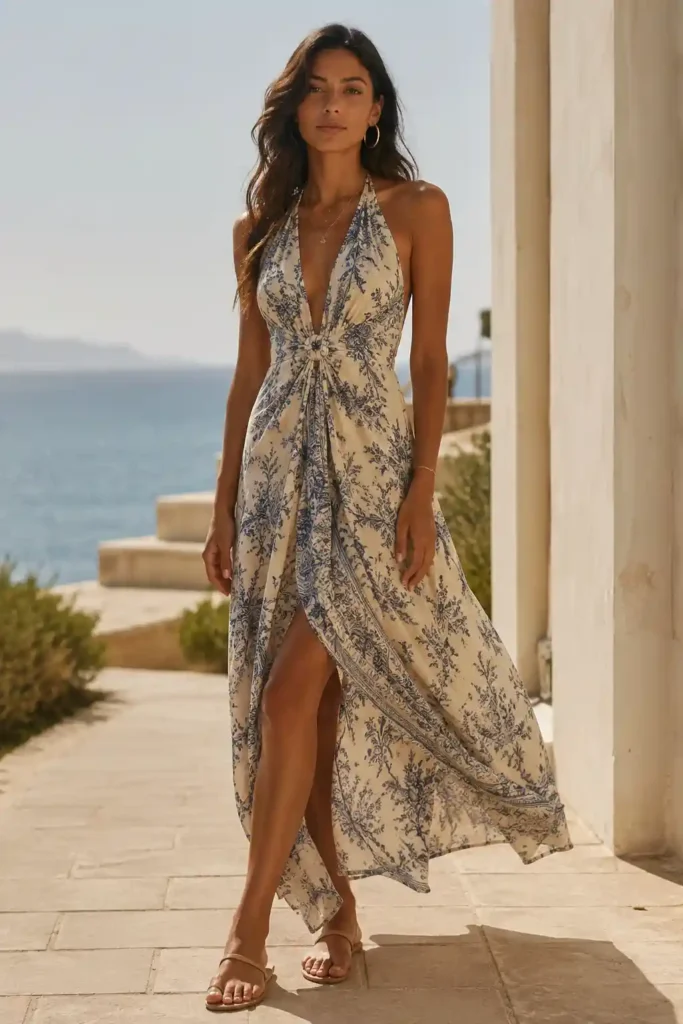
Duolan is structured around fashion-led dresses and coordinated women’s collections rather than broad commodity apparel. Development strength is concentrated in mini, midi and maxi dresses, occasion and party styles, fitted silhouettes, vacation lines, fashion sets and refined tops. The focus supports brands seeking stronger control over drape, fit, structure, visual finish and collection consistency instead of a factory offering an undifferentiated list of garment categories.

Established Brand Fit

The strongest fit includes global fashion brands, leading regional labels, multi-brand groups, sourcing offices and product teams running scheduled seasonal development. These organizations usually require clear sample purposes, documented comments, controlled production standards, coordinated inspections and reliable reorder records. Duolan’s project method is designed for recurring development and scalable production, where each season builds on previously approved patterns, materials, workmanship and fit preferences.

Full Development Chain

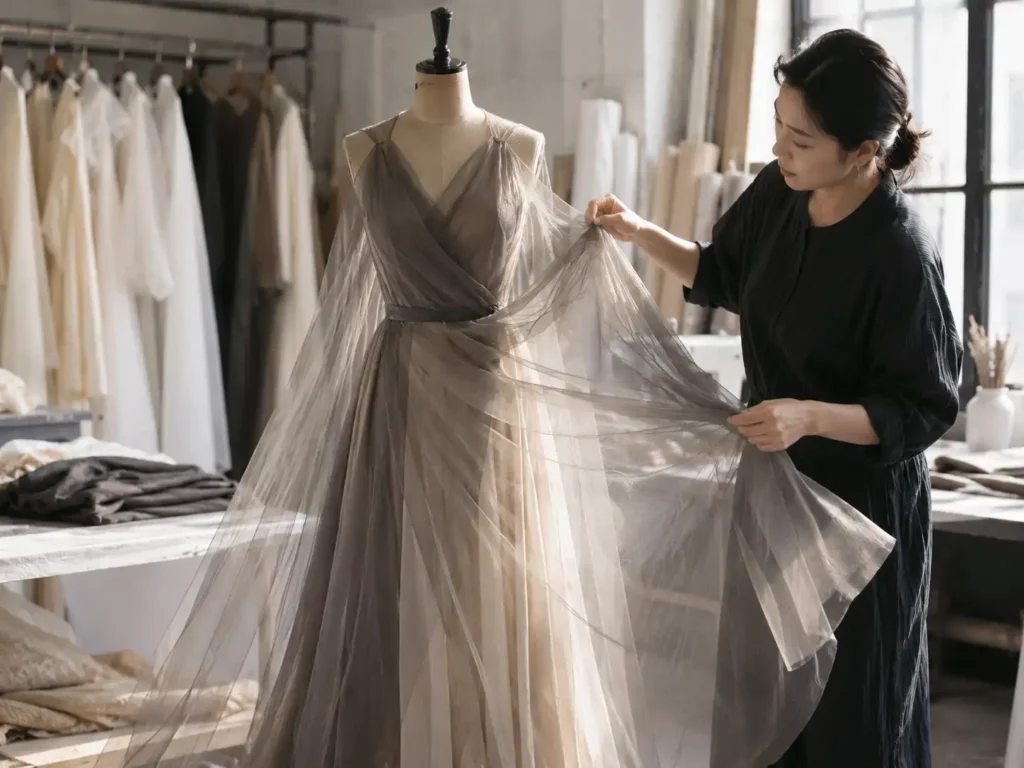
A project can begin from a tech pack, original sample, reference image or mixed development brief. Internal coordination covers product review, fabric and trim sourcing, pattern development, sample construction, revision mapping, pre-production approval, bulk readiness and production follow-through. The aim is not merely to produce a visual prototype, but to establish a version that can be reviewed, corrected, approved and translated into repeatable production standards.

Manufacturing Network

Sixteen owned fashion factories form the core production structure, supported by more than twenty long-term satellite factories and regional manufacturing resources. Core styles and sensitive projects can remain under direct control, while repeat orders, parallel styles and seasonal volume can be allocated according to fabric type, construction complexity, workmanship needs and delivery priority. The network supports both development depth and production elasticity without treating every order as an identical sewing task.

Material and Process Access

The manufacturing base is connected to mature South China fabric, trim and garment-processing resources. Regular partners cover fabric supply, linings, zippers, labels, embellishments, printing, embroidery, garment washing, dye effects and finishing. For printing, dip dyeing, embroidery and washing, multiple experienced partners can be selected according to visual target, bulk stability, timing and cost structure. Material selection is therefore linked to garment behavior and production feasibility rather than appearance alone.

Compliance Readiness

Duolan’s core manufacturing system has completed SMETA and SMETA 2-Pillar auditing. Project teams can coordinate brand-specific requirements related to social compliance, material documentation, product testing, inspection, labeling and quality standards. References to BSCI, ISO 9001, AATCC, ASTM, OEKO-TEX, EN, China GB and GOTS are handled according to the actual factory, material, market and project scope rather than presented as blanket certificates for every order.

Built for Established Fashion Businesses

Different fashion organizations evaluate a manufacturer through different operating pressures. Duolan aligns development, production and reporting around the roles responsible for product approval, sourcing discipline and commercial launch.

Global Fashion Brands

Global brands need more than garment-making capacity. They require repeatable standards across seasons, disciplined approval records, stable color and material control, coordinated inspections, reliable packaging and the ability to manage new styles alongside repeat programs. Duolan supports structured development paths, production-readiness reviews and preserved project records so approved patterns, BOM details, fit priorities and workmanship notes can remain available for later orders and market expansion.

Leading Regional Labels

Fast-growing regional labels often run frequent drops, deeper SKU plans and concentrated selling windows. Their pressure comes from developing many styles without losing visual consistency or overloading a single production path. Duolan can separate hero styles, commercial volume styles and construction-sensitive items, then match them to appropriate sample and production resources. The result is a clearer route from collection brief to launch order, repeat order and scaled seasonal volume.

Sourcing and Product Teams

Sourcing teams need documentation, timing visibility and supplier accountability. Product teams need fabric behavior, fit balance, construction details and design intent to remain aligned through revisions. Duolan connects both priorities through structured briefs, feasibility notes, staged sample updates, revision summaries, bulk-start confirmation, material and workmanship locking, inline control and shipment preparation records. Technical comments are treated as production decisions rather than casual messages passed between departments.

Risks Evaluated Before Manufacturer Approval

Supplier approval usually depends on how clearly development and production risks are identified before they become missed launch dates, rejected samples or bulk inconsistencies.

Project StageCommon RiskDuolan Control PointWorking Evidence
Product directionDesign intent is interpreted too literally or misses the commercial silhouetteProduct and feasibility review before pattern workDevelopment brief and feasibility note
Fabric selectionDrape, stretch, opacity or handfeel does not support the target shapeFabric behavior and trim compatibility reviewSwatch comparison and material confirmation
Pattern and fitBust, waist, hip, shoulder or length balance does not follow the intended fitPattern review, measurement priorities and fit commentsMeasurement chart and revision summary
Complex detailsBoning, cups, mesh, sequins, gathering or cut-outs work in one sample but are unstable in bulkConstruction and workmanship feasibility reviewDetail mapping and trial construction
Sample approvalVisual approval is mistaken for production approvalStage-based sample purpose and PP standardSample review note and approval checklist
Bulk transitionApproved details are not converted into production standardsBOM, material, workmanship and tolerance lockingBulk readiness note and PP reference
Quality executionProblems are found only at final inspectionPre-production, inline and final checkpointsQC records and corrective follow-up
DeliveryMaterial approval, sample comments or packaging decisions compress the production windowBackward planning from launch and delivery datesProduction timeline and status updates
ReorderNew lots drift from the original fit, material or workmanshipPreservation of approved records and repeat-order reviewPattern, BOM, sample and QC archive

Women's Clothing Categories We Develop

Duolan’s strongest product scope centers on fashion-led dresses and coordinated collection extensions. Each category is approached through its own fabric behavior, fit logic, construction risks and production method rather than a generic garment workflow.

Fashion Dresses

Fashion dresses cover mini, midi and maxi lengths across fitted, fluid, asymmetric, ruched and structured silhouettes. Development begins by defining the intended market effect: body-skimming or relaxed, crisp or fluid, photographed on-body or designed for movement. Pattern balance, fabric weight, lining coverage, closure position and hem behavior are reviewed together. A dress can look close to a reference image while still failing commercially if the waist placement, bust balance or skirt fall is not controlled.

Occasion Dresses

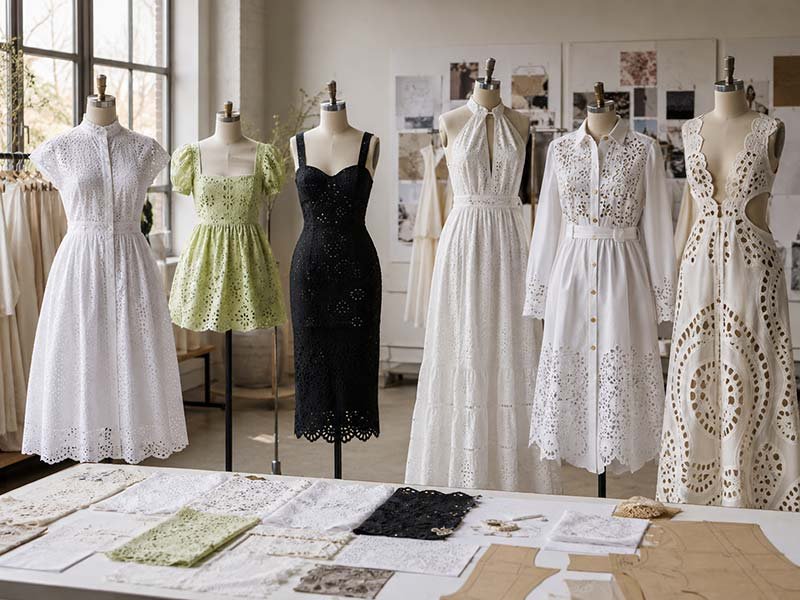
Occasion programs include cocktail, formal, semi-formal, graduation, wedding guest, bridesmaid and event-driven dresses. These products often require stronger visual completion than everyday apparel while remaining wearable, repeatable and suitable for retail handling. Duolan reviews support, coverage, lining, zipper strength, decorative density, mobility and finishing. Production planning also considers peak selling windows, photo-sample timing, color depth, size ratios and the risk of late embellishment or special-process approval.

Party Dresses

Party styles often combine visual impact with difficult materials: sequins, mesh, satin, metallic surfaces, rhinestones, beads, cut-outs, corset structures or body-conscious fits. Development must protect appearance without creating scratching, excessive weight, weak seams or slow production bottlenecks. Duolan maps decorative zones, lining requirements, stress points and finishing methods before bulk. For multi-style party drops, styles can be grouped by shared materials or processes to improve approval control and production coordination.

Bodycon Dresses

Bodycon development depends on stretch percentage, recovery, opacity, negative ease, seam placement and grading discipline. A fabric with high stretch but poor recovery can lose shape after fitting or wear. Side seams, waist suppression, bust shaping, lining and hem tension must be reviewed together. Duolan builds the pattern against the brand’s own fit standard and approved size chart, rather than applying a single factory block to every label. Common commercial ranges can run from XS-XL, with extended sizing graded to confirmed rules.

Vacation Dresses

Vacation and resort dresses need movement, comfort and strong visual identity across warm-weather fabrics, prints and relaxed silhouettes. Key decisions include shrinkage, opacity, colorfastness, strap stability, neckline coverage, lightweight lining and packing recovery. Collections may include sundresses, halter styles, backless shapes, printed maxis, skirt sets and refined tops. Material availability and print approval are scheduled early because a delayed print strike-off or color decision can remove valuable time from the production and shipping window.

Fashion Sets

Coordinated sets require more control than developing two unrelated garments. Tops and skirts or trousers must share color, fabric lot, proportion, trim language and styling intent. Waist placement, overlap, exposed midriff, closure position and size compatibility are reviewed as a system. Duolan can develop matching skirt sets, top-and-skirt combinations, refined separates and occasion-driven sets, while preserving enough pattern and production independence for each piece to be sold, reordered or replenished separately.

Refined Fashion Tops

Refined tops extend a dress collection through corset-inspired shapes, draped satin, mesh panels, asymmetric necklines, fitted jersey, structured cups or decorative trims. Many top styles carry the same fit and construction risks as dresses but with less tolerance for imbalance because the garment ends near the waist or high hip. Development focuses on bust coverage, strap position, neckline stability, zipper or hook placement, lining, hem finish and compatibility with the collection’s skirts or trousers.

Skirts and Extensions

Skirts, bodysuits, jumpsuits and selected collection extensions can support a stronger seasonal range when they share the same design language and material direction. Skirt development may involve bias cut, pleating, godets, slits, ruching, fitted waistbands or layered mesh. Bodysuits require torso length, closure comfort and stretch recovery. Jumpsuits require rise, torso balance and movement testing. Each extension is reviewed according to its own fit and production risks rather than treated as an automatic add-on.

From Product Direction to Collection-ready Womenswear

A strong seasonal collection needs more than a group of attractive styles. Silhouettes, color, fabric, fit, price architecture and development timing must work together before production volume is committed.

Product Direction Review

Development starts by clarifying the collection’s role in the market. Duolan reviews the target region, retail channel, expected price level, product category, selling occasion and launch date. The team then identifies which styles are intended as visual statements, which are likely volume drivers and which require early testing because of structure or material risk. A twelve-style occasion capsule, for example, may include three strong image styles, five commercial fitted dresses, two fluid midis and two coordinated extensions. Each group needs a different development priority.

The review also separates visual references from production requirements. A mood image may communicate color, neckline and attitude but offer no reliable information about fabric composition, lining, internal support, measurement or closure. Those gaps are recorded before sampling so design language can be translated into decisions. Early clarification reduces conflicting comments later and helps determine whether the project should begin with a pattern test, material test, visual prototype, fit sample or production-oriented sample.

Silhouette and Range Planning

Silhouette planning balances variety with brand consistency. A collection built only from tight mini dresses may look repetitive, while a range with unrelated shapes may lack identity. Duolan can help organize fitted, fluid, structured and coordinated silhouettes around shared design codes. Neckline families, waist positions, skirt volumes, lengths and support methods are reviewed across the range so one style does not solve fit or coverage in a way that conflicts with the rest of the collection.

Size planning is integrated early. The brand’s base size, body measurements, fit preference and grading rules are more important than a generic factory chart. Critical points may include bust, underbust, waist, high hip, full hip, torso length, shoulder width, strap length, neckline depth, slit height and finished garment length. Styles with cups, boning, cut-outs or negative ease need additional grading logic because visual proportions and support can change significantly across sizes.

Fabric and Color Direction

Fabric selection is evaluated against silhouette, target cost and bulk stability. The team considers composition, weight, stretch, recovery, drape, surface, opacity, shrinkage, colorfastness, pressing behavior and availability. A satin selected for a bias dress may be visually attractive but unsuitable if it shows every seam, stretches unpredictably or arrives with unstable shade variation. A mesh for a fitted party dress may require specific recovery and lining support to avoid distortion after wear.

Color planning also affects sampling and production. Core colors, fashion colors and print options may require separate lab dips, strike-offs or bulk lot controls. Duolan can group styles around shared fabric bases where appropriate, reducing unnecessary fragmentation while preserving design variety. Material and color decisions are linked to approval timing, because late changes can require new samples, revised costing, new production tests and a reset of the launch plan.

Development and Launch Planning

Duolan plans backward from the target delivery or launch window. A typical path includes collection confirmation, fabric and trim review, first samples, fit revisions, photo-ready samples where needed, PP approval, bulk material locking, production, inspection, packing and shipment. Planning references are confirmed by style: standard fashion samples are often evaluated around 7-15 working days after material direction is ready; structured or heavily embellished styles may require 15-25 working days. Revision rounds are commonly planned within 5-10 working days, depending on comments and material changes.

Bulk timing is reviewed only after PP status, material readiness and production complexity are clear. Standard fashion programs are often planned around 25-45 days after approvals and material availability, while intensive embellishment, printing, washing or multi-process styles may require 40-60 days. These ranges are planning references rather than automatic promises. 

Fabric, Trim and Special Process Coordination

Material selection is treated as an engineering and commercial decision. Duolan reviews how each fabric, trim and process will influence silhouette, fit, sewing behavior, inspection, production speed and final presentation.

Fashion Fabrics

Core fabric directions include satin, mesh, velvet, jersey, woven stretch fabrics, printed bases, pleated materials, denim, knit structures and selected novelty surfaces. Every option is reviewed for composition, weight, handfeel, drape, stretch, recovery, opacity, shrinkage and bulk availability. For fitted styles, recovery and opacity may matter more than softness. For bias or fluid dresses, grain stability, seam behavior and pressing marks may determine whether the fabric can deliver a clean commercial result.
3Lining and Support Material Planning (1)

Linings and Support Materials

Linings are chosen according to coverage, comfort, stretch compatibility, heat, garment weight and construction. A lining that is too rigid can distort a fluid shell, while a lining with excessive stretch can fail to stabilize a fitted dress. Support materials may include cups, boning, fusible structures, stay tape, elastic, silicone grip, interfacing and internal panels. Their positions, widths and attachment methods are mapped before bulk so support remains consistent across sizes and production lines.

Zippers and Functional Trims

Zippers, hooks, eyes, snaps, rings, sliders, strap adjusters and elastic components are small parts with large consequences. The team reviews color matching, tooth size, tape width, slider strength, installation allowance and skin contact. Invisible zippers in satin or mesh require different handling from exposed zippers in structured styles. Strap hardware must suit both the design and the load. Functional trims are confirmed against wear, measurement and production needs rather than selected only from a visual reference.

Printing and Dye Processes

Print and dye work can include digital printing, screen printing, transfer processes, dip dyeing and selected garment effects. Approval involves more than color appearance. Repeat scale, placement, stretch distortion, penetration, handfeel, curing, wash behavior and shade consistency are considered. For multi-style collections, print direction can be coordinated across silhouettes while adjusting placement for pattern pieces and garment size. Strike-offs, lab dips or trial panels should be approved before bulk material or cut quantities are committed.

Embroidery and Embellishment

Embroidery, sequins, rhinestones, pearls, beads and combined decorative processes require density planning, backing, edge finishing, skin protection and production testing. Decorative weight can change drape and pull a neckline or hem out of balance. Dense applications can slow sewing, damage lightweight fabrics or create inspection challenges. Duolan reviews motif position, repeat, attachment method, loss allowance, replacement risk and packing protection before bulk so visual impact does not create an unstable production route.

Labels and Packaging Materials

Main labels, care labels, size labels, hangtags, barcodes, polybags, tissue, inserts, hangers and cartons form part of the production standard. Content, placement, folding, barcode readability, carton assortment and shipping method must align with the brand’s warehouse and market requirements. Packing is confirmed before the final production stage, not after garments are completed. For wrinkle-sensitive satin, embellished dresses or structured pieces, folding method and carton pressure are reviewed to protect presentation after transit.

Production-ready Sample Development

A sample should help a fashion team make decisions about fit, fabric, structure, appearance and production feasibility. Duolan organizes sampling as a controlled development path rather than an isolated sewing request.

Development Basis and Sample Purpose

Each style begins with a defined development basis: tech pack, original sample, reference image or mixed brief. Duolan records the target market, sample purpose, fit priorities, fabric direction, visual goals and intended next stage. A sample for fit approval should not be managed in the same way as a photo sample or a PP reference. The purpose determines which details must be accurate first and which points can remain open for later refinement.

A concise Sample Development Brief can include base size, measurement chart, critical POMs, silhouette goal, coverage, support, drape, closure, lining, color, trim and target timing. When information is incomplete, the team identifies the missing decisions instead of filling every gap silently. The result is a clearer project start and fewer revision rounds caused by different assumptions between design, sourcing, pattern and sample teams.

Feasibility Review Before Cutting

Before pattern work begins, the style is reviewed for high-risk points. A corset dress may depend on cup position, boning direction, underbust balance and back closure. A bias satin dress may depend on grain, seam control, rest time and hem behavior. A halter or backless style may depend on neckline stability, anchor points and skin coverage. The review determines whether the first sample should prioritize fit, visual styling, material behavior or construction testing.

Duolan can provide a brief feasibility note covering suitable fabric direction, likely construction route, missing specifications, special-process dependencies and bulk concerns. The aim is not to reject creative ideas, but to identify which details need testing and which choices may compromise cost, wearability or repeat production. Early risk identification is more efficient than discovering during a completed sample that the selected fabric cannot support the intended shape.

Pattern, Fit and Design Detail Mapping

Pattern development converts design language into measurable construction. Neckline depth, bust shaping, waist position, hip ease, torso length, shoulder balance, strap angle, slit height, gathering ratio, drape point and finished length are mapped against the brand’s size standard. Design details are also marked for production: zipper length, seam placement, cup and boning position, lining boundary, cut-out shape, trim placement, hem method and closure sequence.

Common base ranges such as XS-XL can be supported, while extended sizes require confirmed grading rules rather than proportional enlargement alone. Structured, fitted and cut-out styles often need specific grading controls to preserve coverage and visual proportion. Fit comments are translated into pattern and workmanship actions, then summarized so the next sample addresses the approved direction rather than repeating general comments without technical ownership.

Review, Revision and Bulk-readiness Path

During sampling, staged updates can cover project start, material status, critical construction points and pre-shipment review. Before a sample is sent, Duolan can provide mannequin, flat and detail images or short video evidence according to the style. The review note identifies confirmed points, open points and recommended focus areas. Comments are consolidated into a revision summary linked to pattern, measurement, material or workmanship changes.

A production-ready sample should align six areas: fit and measurements; fabric and color; trims and accessories; construction and finishing; BOM and technical documents; PP or golden-sample approval status. Standard first-sample planning is commonly reviewed within 7-15 working days after materials and requirements are ready. Complex structures or embellishment can require 15-25 working days. Revision timing is usually assessed within 5-10 working days. Final timing is stated in the sample proposal after feasibility review.

Expertise for Complex Fashion Dress Development

Complex women’s fashion is defined by interactions between material, body fit, internal support, decorative weight and production repeatability. Duolan develops these styles through targeted control points rather than relying on appearance alone.

Satin Construction

Satin reflects light, reveals needle marks and can show every uneven seam or pressing error. Development examines fabric weight, surface sensitivity, grain behavior, seam type, needle and thread choice, lining, zipper installation and pressing temperature. Bias designs require additional attention to hanging, rest time and hem leveling. Packing must also allow the garment to recover after transit. A clean satin result depends on decisions made before sewing, not only careful finishing at the end.

Mesh Layering

Mesh varies widely in stretch, recovery, transparency, softness and edge stability. A fitted mesh dress may need a compatible lining, controlled seam stretch and reinforcement at openings. Decorative mesh may require motif placement, color matching and careful cutting. Layered styles must avoid twisting, rippling or uneven coverage. Duolan maps the shell, lining, support zones and exposed areas so the final garment delivers the intended transparency while remaining wearable and consistent across sizes.

Sequin and Beaded Work

Sequin and beaded fabrics can be heavy, abrasive and difficult to seam. Development considers motif direction, missing-piece allowance, seam clearing, edge binding, lining coverage, reinforcement and repair method. Dense embellishment can distort pattern pieces or create weak stress zones at zippers and side seams. Production tests confirm whether decorative panels should be pre-cut, cleared, hand-finished or protected during pressing and packing. The target is a strong visual surface without uncontrolled shedding, scratching or seam bulk.

Corset and Bustier Structure

Corset-inspired dresses depend on bust shape, cup position, underbust, waist suppression, boning direction and back support. The internal structure must work with the outer fabric and size range. Too much rigidity can create discomfort or visible distortion, while too little support can collapse the intended silhouette. Duolan reviews cup type, padding, channel width, seam placement, lining, stay tape, zipper or lace-up closure and grading. Support points are confirmed through fit rather than copied from appearance references.

Halter and Backless Fit

Halter, open-back and low-back styles shift garment load to fewer anchor points. Neck pressure, side coverage, bust security, back tension and closure stability become critical. Development examines strap width and angle, neckline reinforcement, underarm shape, internal elastic, grip tape, cups and tie construction. The sample is reviewed in movement, not only on a mannequin. A visually minimal design still needs enough hidden control to remain wearable through standing, sitting and normal event movement.

Bodycon Engineering

Bodycon styles require coordinated decisions around stretch, recovery, opacity, negative ease, seam direction and grading. The same pattern can fit very differently across fabrics with similar stated stretch percentages. Duolan checks lengthwise and crosswise behavior, recovery after extension, color transparency and how lining or double layers change compression. Key areas include bust shaping, waist reduction, hip ease, side seam balance and hem tension. Approved fit comments are converted into repeatable measurements and construction standards for bulk.

Flexible Development Paths for Brand Projects
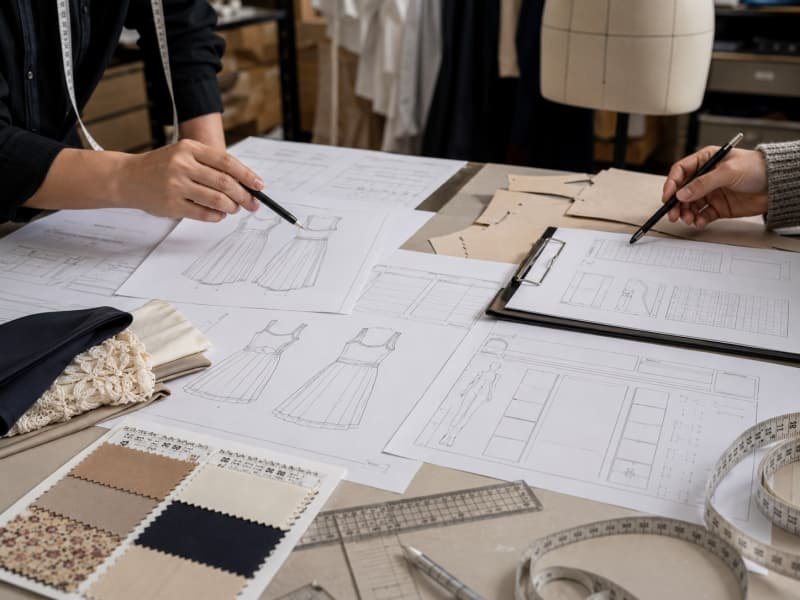
Duolan can enter a project at different levels of design maturity. The route is selected according to available information, internal brand resources and the decisions required before production.

Tech Pack Development

A complete tech pack may include flat sketches, measurements, BOM, construction notes, stitch details, labels, packaging and color standards. Duolan reviews the document for contradictions, missing tolerances, unavailable trims, material risks and workmanship feasibility before quoting or sampling. Questions are consolidated rather than sent in scattered messages. The output can include a clarified development basis, sample plan, material alternatives and a list of points requiring approval before pattern or bulk work begins.

Reference Image Development

Reference images communicate silhouette, proportion and styling but rarely provide production information. Duolan separates visual features from assumptions, then defines fabric, structure, fit, closure, lining, measurements and finishing. The team may recommend a material test, partial construction trial or first prototype focused on the highest-risk feature. Reference development does not mean copying an unknown garment blindly; it means translating the visible direction into a new, documented product suitable for the brand’s own market and standards.

Original Sample Development

An original sample can be measured, opened where approved, compared with the target fit and reviewed for construction. Duolan records fabric behavior, internal structure, seam allowance, trim method, pattern balance and details that may need improvement. Replication can preserve the design direction while adjusting size standards, materials, comfort or bulk feasibility. The process is most effective when the brand explains which elements must remain unchanged and which areas can be optimized for price, fit, quality or production scale.

Collaborative ODM Development

For collaborative ODM work, the brand provides market, price level, collection theme, key categories, size standard, launch window and visual direction. Duolan contributes product review, silhouette proposals, fabric and trim options, technical development, sample execution and production planning. The relationship remains guided by the brand’s identity rather than a catalogue of generic styles. Clear approval gates are used for concept, material, pattern, sample and bulk so creative development can move without losing commercial control.

A Scalable Womenswear Manufacturing System

Manufacturing scale creates value only when styles are assigned to the correct production route and standards remain aligned across development, sewing, inspection and delivery.

Core Factory Control

Duolan’s sixteen owned fashion factories provide the central base for development-sensitive styles, core programs and orders requiring close coordination. Core factories can maintain stronger links between pattern, sample, technical, production and quality teams. Projects with structured dresses, fitted silhouettes, delicate materials or complex details benefit from a production path where approved standards remain visible from pre-production review through first-piece confirmation and inline control.

The wider manufacturing system includes approximately 300 sewing lines and more than 50 quick-response or flexible lines. Line allocation is based on garment type, construction sequence, fabric handling, special processes, order size and required timing. The objective is not simply to find an empty line. A satin dress, corset style, mesh garment and embellished party dress may require different operators, equipment arrangements and inspection priorities even when order quantities are similar.

Satellite and Regional Capacity

More than twenty long-term satellite factories support repeat orders, volume expansion, parallel style programs and seasonal peaks. Regional production resources in Guangxi, Guizhou, Sichuan and Jiangxi add capacity buffering and labor availability. Allocation is controlled according to the sensitivity of each style. High-risk development and key image styles can remain under tighter core-factory control, while stable repeat styles or suitable volume programs can be distributed with approved samples, BOM, measurement charts, workmanship notes and QC requirements.

A multi-factory system should not mean uncontrolled subcontracting. Production-readiness review determines whether an order stays in one factory, uses multiple lines or is divided by style group. Shared standards, first-piece confirmation, reporting and inspection points are established before scaling. Satellite capacity is used to extend a controlled manufacturing system, not replace technical ownership.

Capacity for Multi-style Programs

The system reports stable monthly capacity of approximately 6.5 million garments, peak capacity up to approximately 10 million pieces and an additional monthly allocation range of approximately 1-2 million pieces when suitable resources are available. Monthly sample development capacity is approximately 15,000-35,000 pieces or rounds, supporting around 3,000-8,000 style development and sampling processes. 
For a brand program of 10-30 styles and 20,000-80,000 total pieces, capacity planning focuses on style complexity, shared materials, colorways, size ratios, approval status and delivery sequence. A mixed order may be divided into stable commercial styles, construction-sensitive styles and process-dependent styles. 

Integrated Supply Support

The manufacturing network connects fabric, trim, pattern, sample, special process, sewing, quality, packing and shipping coordination. Printing, embroidery, washing, dye effects and decorative applications can be routed through experienced supporting factories.

Order and production teams track material readiness, approvals, production priorities and shipment documentation. Preserved patterns, BOM details, fit comments and quality records support later repeat programs, allowing cooperation to accumulate production memory rather than restarting from zero each season.

From Approved Sample to Scalable Production

Bulk production begins only after the sample, materials, measurements, workmanship and commercial requirements have been converted into a shared manufacturing standard.

Bulk Readiness Review

The team confirms whether the current sample is fit-approved, visually approved, suitable as a PP basis or still pending refinement. The order purpose is also identified: launch order, repeat order, scale-up order or a controlled market test. Fabric, lining, trims, color, measurements, workmanship, labels, packaging, inspection and delivery requirements are reviewed together. A Bulk Start Confirmation or Production Readiness Note records the remaining conditions before line allocation.

Order Breakdown and Routing

The order is separated by style complexity, material family, color, construction risk, special process, size structure and timing. Styles with shared fabric and similar sewing routes may be grouped, while highly structured or embellished items may need dedicated preparation. The team decides whether production should remain in one factory, use multiple lines or be divided across factories. Routing is designed to protect standards and delivery priorities rather than maximize line occupancy alone.

Material and Workmanship Locking

Before the line starts, production-critical details are confirmed: fabric lot, color, weight, handfeel, lining, zipper, boning, cups, straps, sequins, decorative parts, print, embroidery, pleating, washing, measurements, tolerance priorities, labels, barcodes and packing. A Material and Workmanship Confirmation Summary can be used for structured projects. The purpose is to prevent approved sample details from becoming informal knowledge that changes during purchasing or production preparation.

PP and First-piece Confirmation

The PP or golden sample becomes a reference only when its approval scope is clear. The first production piece is then checked against measurements, proportion, material, construction, workmanship and appearance. For risk-sensitive styles, early pieces or a small pilot quantity can be reviewed before full line flow. Photos, measurement results and key detail checks provide evidence that the production method can reproduce the approved direction under real line conditions.

Controlled Production Execution

During production, fabric, trims, cutting, critical operations, measurements and output are monitored through staged checkpoints. Multi-style orders are followed by priority and risk, not only by total completed quantity. High-risk operations can receive additional inspection or corrective guidance. Project teams provide updates at meaningful milestones so production does not become an information blackout. Issues are managed as early as possible, while enough time remains for correction without compressing final inspection and packing.

Final Inspection and Packing

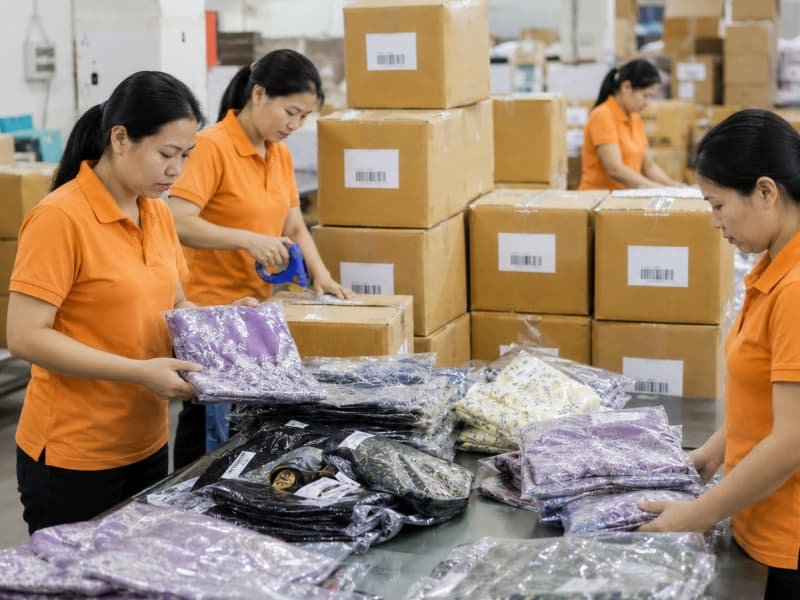
Final review covers appearance, measurements, workmanship, labels, barcode data, assortment, folding, polybags, hangers, cartons and shipping marks according to the agreed standard. Inspection can follow internal procedures, brand requirements or an approved third-party arrangement. Packing methods are adjusted for delicate satin, structured garments or embellished products. Carton allocation and documentation are checked before shipment so product quality is not separated from warehouse and logistics accuracy.

How MOQ, Cost and Lead Time Are Evaluated

Order planning is based on the full product structure rather than one universal threshold. Fabric minimums, color count, size breakdown, special trims, construction time, packaging and delivery priorities all influence the most efficient production arrangement.

Project FactorMOQ and Allocation EffectCost EffectTiming Effect
Main fabricMill or dye-lot requirements may set the minimum by colorFabric utilization, dyeing and testingSourcing, lab dip and bulk production
Number of colorwaysMore colors divide cutting and sewing quantitiesSetup, shade control and smaller material lotsAdditional approvals and line changes
Size rangeWide ratios require grading and balanced cutting plansMarker efficiency and handlingSize-set confirmation and cutting preparation
Lining and supportCups, boning, interfacing and elastic may carry separate minimumsAdded material and constructionSourcing and trial construction
Special trimsCustom zippers, hardware or labels may require tooling or purchase minimumsDevelopment and unit allocationSampling and trim delivery
Printing or embroideryArtwork, screens, strike-offs and process setup influence viable volumeSetup and process costApproval and external processing
Sequins or handworkDense embellishment increases labor and replacement allowanceHigher labor, QC and loss allowanceLonger sewing and inspection cycle
PackagingCustom hangers, inserts, barcodes and cartons affect setupPacking material and handlingArtwork and packaging approval
Delivery windowCompressed schedules may require reserved lines or split productionCapacity and logistics choicesProduction, inspection and freight buffers
Repeat potentialPreserved patterns, materials and standards improve later planningReduced redevelopment and clearer forecastingFaster restart when materials remain available

Duolan evaluates development, launch and repeat production as separate stages. A program may begin with samples and a defined launch quantity, then move into replenishment after sales data is available. The recommended structure depends on material economics and production efficiency, not a headline minimum used for every style.

For timeline planning, standard first samples are commonly assessed within 7-15 working days once requirements and material direction are ready. Complex structured, embellished or multi-process styles may require 15-25 working days. Standard bulk programs are often planned around 25-45 days after PP approval and material readiness; complex programs may require 40-60 days. Final timing is confirmed only after style review, approvals, material status and delivery requirements are known.

Quality Control from Development to Delivery

Quality is built through confirmed standards and timed control points. Final inspection remains important, but many of the costliest failures begin earlier in fabric selection, pattern interpretation, sample approval or production preparation.

Development Quality Review

Before sampling, the team reviews design intent, fit priority, material behavior, construction risk and the purpose of the sample. Missing measurements, unclear coverage, unsuitable fabrics or unstable details are identified before they become sewn problems. Development quality is measured by whether the sample supports a decision, not only whether it resembles a picture. A clear brief, feasibility note and sample purpose create the first quality standard for the project.

Fabric and Trim Control

Material control can cover composition, weight, stretch, recovery, opacity, shrinkage, color, handfeel, surface quality and lot consistency according to project needs. Trims are checked for color, size, strength, function and compatibility. Special materials such as satin, mesh, sequins, cups, boning, zippers and decorative hardware are reviewed against approved references. Material deviations are addressed before cutting whenever possible, because sewing inspection cannot correct the wrong fabric or trim.

Pattern and Measurement Control

Patterns and measurement charts translate the brand’s fit standard into production. Critical POMs are identified according to silhouette: bust, underbust, waist, hip, shoulder, torso, strap, neckline, slit and length. Tolerances are set according to construction and material behavior rather than copied blindly across styles. Size-set or grading review is used where required. Fit comments are documented as specific pattern or measurement changes, reducing the risk of subjective instructions being interpreted differently across rounds.

Pre-production Standard

Before bulk, the approved sample, BOM, material references, measurements, workmanship, labels and packing requirements are aligned. PP approval is recorded with any open conditions. Production teams receive the relevant standards, while risk-sensitive operations are highlighted. First-piece confirmation checks whether the actual line can reproduce the approved version. A structured pre-production standard reduces the common gap between a carefully made sample and a faster bulk sewing environment.

Inline Process Control

Inline control follows the operations most likely to affect fit, appearance or durability. Checks may include cutting accuracy, seam balance, gathering, zipper installation, cup and boning position, mesh alignment, embellishment, measurements and pressing. High-risk styles can receive additional patrols or earlier checks. Corrective action is taken during the run instead of waiting for a complete batch. Production updates focus on decisions and risks, not only percentages completed.

Final Garment and Packing Review

Finished garments are reviewed against the approved standard for workmanship, measurements, appearance, cleanliness and function. Labels, care content, size markers, hangtags, barcodes, assortments, polybags, hangers and cartons are checked according to the packing instruction. Delicate surfaces and structured garments receive packing methods suited to their risks. Internal inspection can be coordinated with brand procedures or approved third-party inspection where required.

Compliance Readiness for Global Fashion Brands

Compliance is managed according to the factory, material, destination market and brand program. Claims are tied to available records and project scope rather than broad statements covering every product.

SMETA Audit Base

Duolan’s core manufacturing system has completed SMETA and SMETA 2-Pillar auditing and maintains a social audit record. Audit documents can be reviewed according to the selected production entity and project needs. Factory allocation should remain connected to the approved compliance route, especially when orders involve multiple locations or satellite capacity.

Brand-specific Standards

Many fashion groups operate their own manuals for workmanship, restricted substances, inspection, labeling, packaging and social responsibility. Duolan can review these requirements during supplier onboarding and identify which documents, tests, factory controls and approvals are needed. Project standards are translated into working checkpoints rather than left as procurement documents that production teams never see.

Material Documentation

Material documentation may include fiber composition, supplier information, test reports, color approvals, certifications or traceability records depending on the program. Requirements linked to OEKO-TEX, GOTS or other schemes are verified against the actual fabric, supplier and certificate scope. A certified material option is not presented as covering unrelated fabrics or finished garments without supporting evidence.

Testing Coordination

Testing can be coordinated according to product and market requirements, including relevant AATCC, ASTM, EN, China GB or brand-specific methods where applicable. The test plan should match the material, construction and intended market. Colorfastness, shrinkage, dimensional stability, seam performance, labeling and restricted substance requirements are considered according to the program rather than listed as identical tests for every garment.

Inspection and Documents

Duolan can coordinate internal inspection, nominated third-party inspection, production records, packing lists, carton information and shipping documents. Inspection scope, sampling method and acceptance criteria should be agreed before the final stage. Documentation control is especially important for multi-style orders because color, size, barcode and carton errors can create warehouse rejection even when garment construction is acceptable.

NDA and Confidentiality

Design files, tech packs, original samples, unreleased styles, labels, pricing and commercial information can be handled under an NDA or agreed confidentiality terms. Access should remain limited to the teams involved in development and production. Photographs used for project updates, internal training or future marketing require the appropriate permission and redaction. Confidentiality supports long-term product development where seasonal ideas and launch dates carry commercial value.

Evidence Behind Development and Production
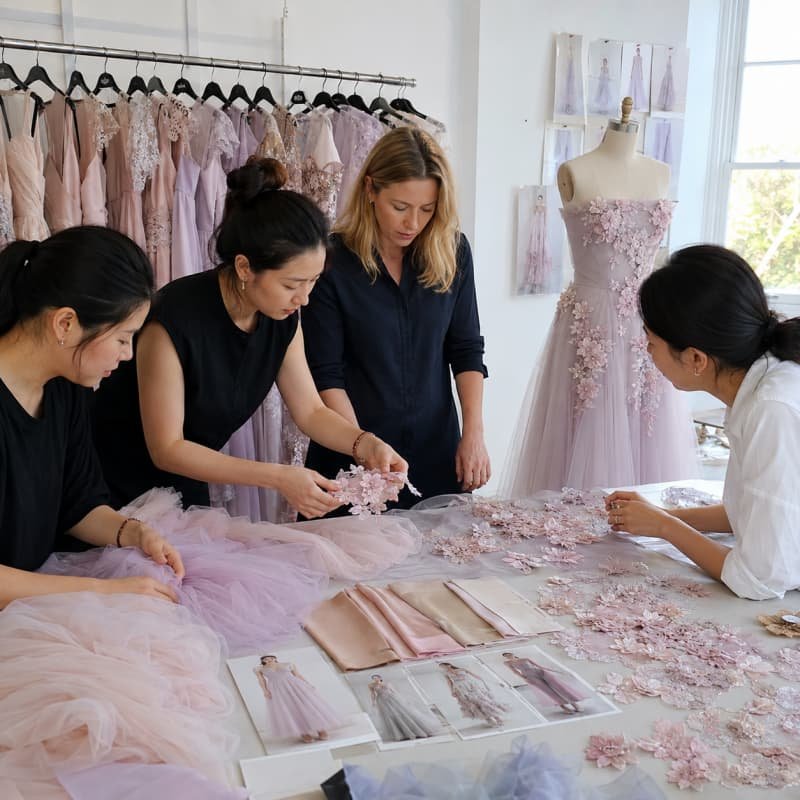
Representative anonymized projects show how collection complexity, style count, materials and launch timing influence the working method. Brand names and commercially sensitive details remain protected.

US Occasionwear Program

Order profile: 18 styles, 36,000 total pieces across fitted mini, satin midi, mesh and embellished party dresses. Quantities ranged from approximately 1,200 to 3,200 pieces per style, with four core colors and a brand-specific XS-XL size chart.

Development challenge: The range combined three fabric families and several support structures. Early samples showed inconsistent bust position between corset and halter styles, while the satin group required cleaner zipper and seam handling.

Duolan approach: Styles were divided into structured, fluid and embellished groups. Pattern teams locked bust, underbust, waist and strap priorities; fabric teams confirmed stretch, lining and satin weight; production teams tested zipper, boning and sequin finishing before PP approval. Bulk was routed through separate lines while shared quality checkpoints kept fit and finishing aligned.

Working result: The program moved into bulk after controlled sample and PP rounds, with critical fit points, material standards and packing instructions preserved for repeat planning.

UK Party Collection

Order profile: 12 styles, 24,600 total pieces, including sequin minis, rhinestone mesh, draped jersey and two coordinated skirt sets. Style quantities ranged from approximately 1,500 to 2,800 pieces with concentrated holiday delivery timing.

Development challenge: Decorative fabrics created weight, scratching and seam-bulk risks. Several styles needed a strong image effect for campaign photography while remaining suitable for repeated wear and warehouse handling.

Duolan approach: Decorative zones were mapped before cutting. Seam areas were cleared or protected, linings were selected for skin comfort, edge finishes were tested and replacement allowance was planned for sequin loss. Photo samples and PP samples were managed as different approval stages. Packing trials checked surface pressure and snagging before cartons were finalized.

Working result: Style groups were scheduled around embellishment lead times, reducing late process congestion and allowing final inspection and packing to remain inside the planned delivery path.

Multi-style Seasonal Drop

Order profile: 26 styles, 72,000 total pieces across fashion dresses, vacation maxis, refined tops and skirt sets. The range used seven colorways, two prints and a size structure extending beyond the core XS-XL range for selected styles.

Development challenge: Many styles had different approval statuses, and the brand needed hero styles ready for photography before the complete bulk program. Print, extended grading and repeatable color standards created separate timing dependencies.

Duolan approach: A priority matrix separated photo-critical, fit-sensitive, print-dependent and stable commercial styles. Print strike-offs, grading review and material locking were scheduled early. Hero samples followed an accelerated review path, while bulk routing used multiple lines according to construction family. Status updates tracked approvals, material readiness, production and packing by style group.

Working result: The order was managed as linked production streams rather than one undifferentiated batch, supporting campaign needs while preserving a controlled route for the full seasonal delivery.

Product and Development Inputs​

Development Evidence

Useful development evidence includes a structured brief, fabric and trim cards, pattern screenshots, sample images, mannequin reviews, measurement sheets, fit comments and revision summaries. Each item should demonstrate a decision: which fit point changed, why a fabric was replaced, how a support structure was adjusted or which detail still requires approval. Evidence is valuable when it explains control, not when it serves as a decorative gallery.

Production and QC Evidence

Production evidence can include bulk-start confirmation, PP approval records, first-piece measurements, cutting and line images, critical operation checks, inline reports and corrective follow-up. Sensitive documents should be redacted. A clear sequence from approved sample to first piece, inline control and final inspection helps sourcing teams verify that quality management continues after the sample room.

Packing and Delivery Evidence

Packing evidence may include label position, barcode verification, folded or hanging presentation, polybag requirements, carton assortment, shipping marks and loading records. For satin, sequins or structured dresses, images should show how pressure, snagging and shape are protected. Shipment records and preserved reorder files demonstrate that delivery is treated as part of product quality rather than an administrative task after production.

Frequently Asked Questions

Duolan operates through a coordinated women’s fashion manufacturing system built around 16 owned factories and more than 20 long-term satellite factories. Product development, pattern, sample, production planning, quality and order coordination are managed as connected functions. The selected production entity and factory route can be clarified during project review, including audit status, product suitability and whether one factory or multiple lines are recommended.
The primary focus is fashion-led dresses and coordinated women’s collections: fashion dresses, occasion dresses, party dresses, bodycon and fitted styles, vacation dresses, fashion sets and refined tops. Related extensions can include skirts, bodysuits and jumpsuits when they fit the collection direction. The website and development system are not positioned around ready-stock trading, commodity basics or bridal gown production.
Yes. Projects can begin from a tech pack, original sample, reference image or a mixed brief. A tech pack is reviewed for missing or conflicting information. A reference image is translated into fabric, fit, measurements, structure, lining, closure and workmanship decisions. When key information is unavailable, Duolan identifies the gaps and recommends the most useful first-sample purpose rather than making silent assumptions.
Timing depends on material readiness, sample purpose, structure and special processes. Standard fashion styles are commonly assessed within 7-15 working days after requirements and fabric direction are ready. Structured, heavily embellished or multi-process styles may require 15-25 working days. Revision rounds are often planned within 5-10 working days. The confirmed schedule is included in the sample proposal after feasibility review.
Duolan develops against the brand’s approved body measurements, garment measurements and fit preference rather than forcing every project into one factory chart. Common ranges such as XS-XL can be supported, and extended sizing is developed through confirmed grading rules. Critical POMs are selected by style, including bust, waist, hip, torso, shoulder, strap, neckline, slit and length. Structured and fitted styles receive additional proportion and support review.
The recommended order structure depends on fabric and trim minimums, colorways, size ratios, special processes, cutting efficiency, sewing complexity, packaging and future production potential. Duolan evaluates the development stage, launch quantity and repeat plan separately. A clear collection brief allows the team to propose a commercially workable route rather than giving one universal quantity without reviewing the product.
Standard programs are often planned around 25-45 days after PP approval, material availability and production readiness. Programs with intensive embroidery, sequins, printing, washing, special dye effects or multiple external processes may require 40-60 days. Delivery planning also includes approval, inspection, packing and freight buffers. Final timing is confirmed by style group and launch requirement rather than promised from order quantity alone.
Before bulk, Duolan aligns the approved sample, measurements, BOM, fabric and trim references, workmanship, labels and packing requirements. A production-readiness review identifies open points, and first-piece confirmation checks whether the line can reproduce the approved direction. Inline control focuses on critical operations and measurements. Preserved sample, pattern, material and QC records support repeat orders and reduce drift between seasons.
The core system has completed SMETA and SMETA 2-Pillar auditing. Other requirements are handled according to the actual factory, material and project, including brand-specific programs and relevant references such as BSCI, ISO 9001, AATCC, ASTM, OEKO-TEX, EN, China GB and GOTS. Supporting records are verified for scope before being presented as applicable to an order.
Send the product category, tech pack or reference images, target market, fabric direction, style count, estimated quantity, colorways, size range, launch or delivery date, quality concerns and packaging requirements. Partial information is acceptable at the first stage. Duolan reviews what is available, identifies missing decisions and responds with the recommended development or production path, timing basis and next required approvals.

Submit Your Womenswear Project for Evaluation

Share the information currently available for your women’s clothing program. A complete brief helps Duolan assess the product direction, material and fit risks, sample route, production feasibility, timeline and quotation basis with greater accuracy. Projects can begin from a tech pack, original sample, reference images or a collection mood. The first review does not require every technical detail to be finished; the team can identify which information is sufficient to begin and which decisions should be confirmed before sampling or bulk production.

Please include where available:

  • Company or brand profile and target market.
  • Product categories and number of styles.
  • Tech packs, reference images or original sample information.
  • Fabric, color and trim direction.
  • Base size, size range and measurement standard.
  • Estimated quantity by style, color and size.
  • Sample purpose and current approval status.
  • Target launch, delivery or warehouse date.
  • Quality, testing, inspection and compliance requirements.
  • Labels, barcodes, packaging and shipping expectations.
Grading logic for women’s RTW​

Start Your Apparel Development Project

OEM/ODM Manufacturing Support for Fashion Brands

Share your collection details, estimated quantities, target market, development timeline, and technical requirements. The production team will review your request and provide a tailored manufacturing solution based on your product category, fabric selection, construction needs, and delivery schedule.

Fashion Manufacturing Support with Scalable Production Capacity

From sample development to bulk production, Duolan supports fashion brands with confidential OEM/ODM manufacturing, stable quality management, flexible production planning, and coordinated multi-factory execution for seasonal and capsule collections.

Need Direct Assistance?

Seraphinite AcceleratorOptimized by Seraphinite Accelerator
Turns on site high speed to be attractive for people and search engines.