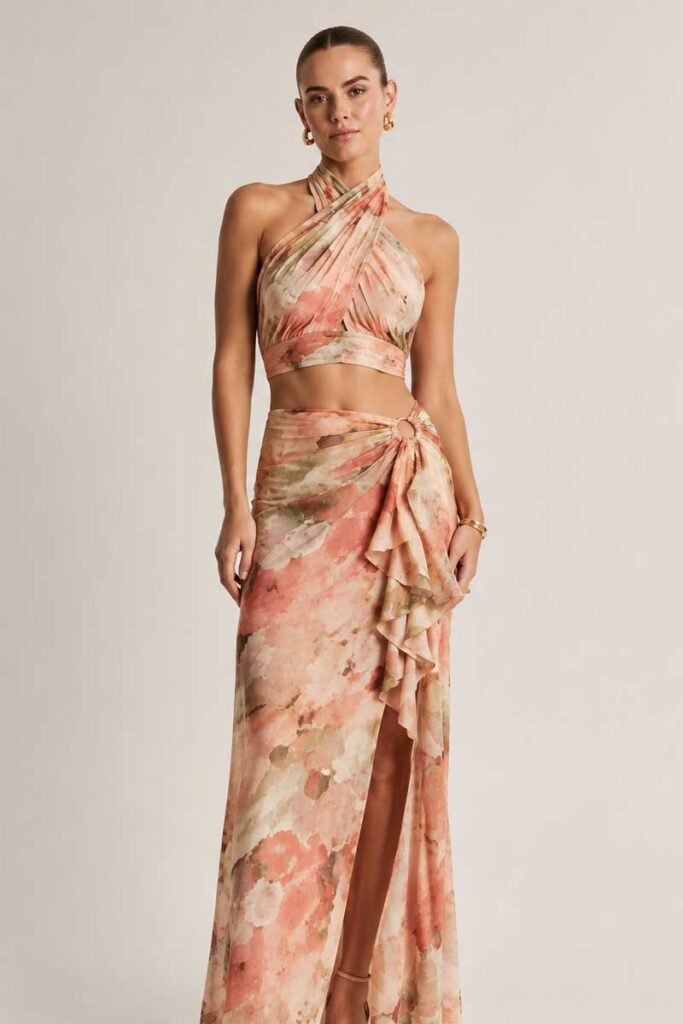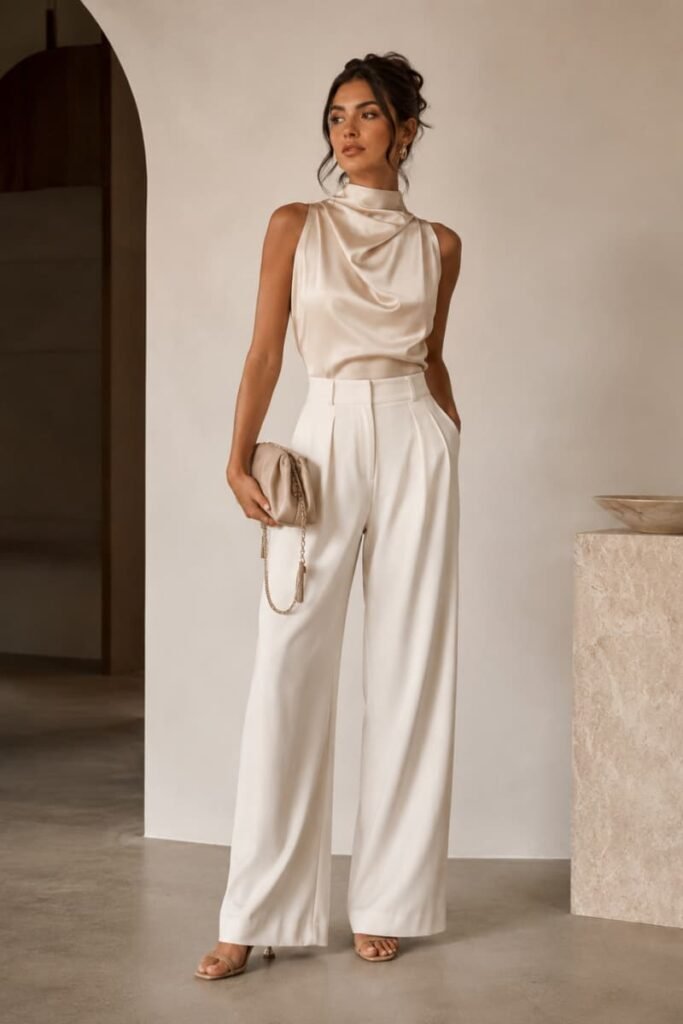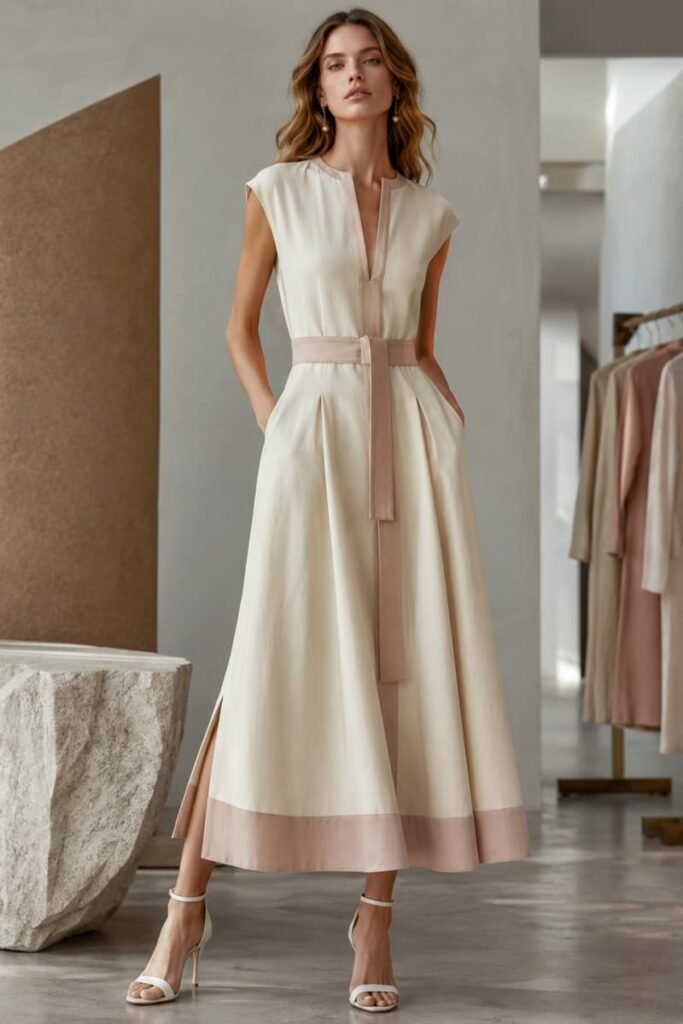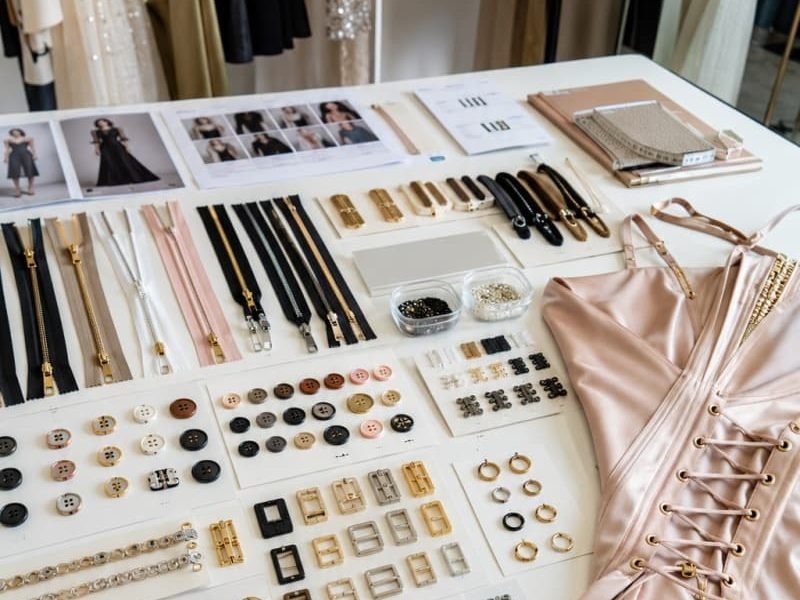
Women's Fashion Manufacturing Network

Coordinated development, specialized factory allocation and scalable production for established fashion brands managing multi-style womenswear programs.

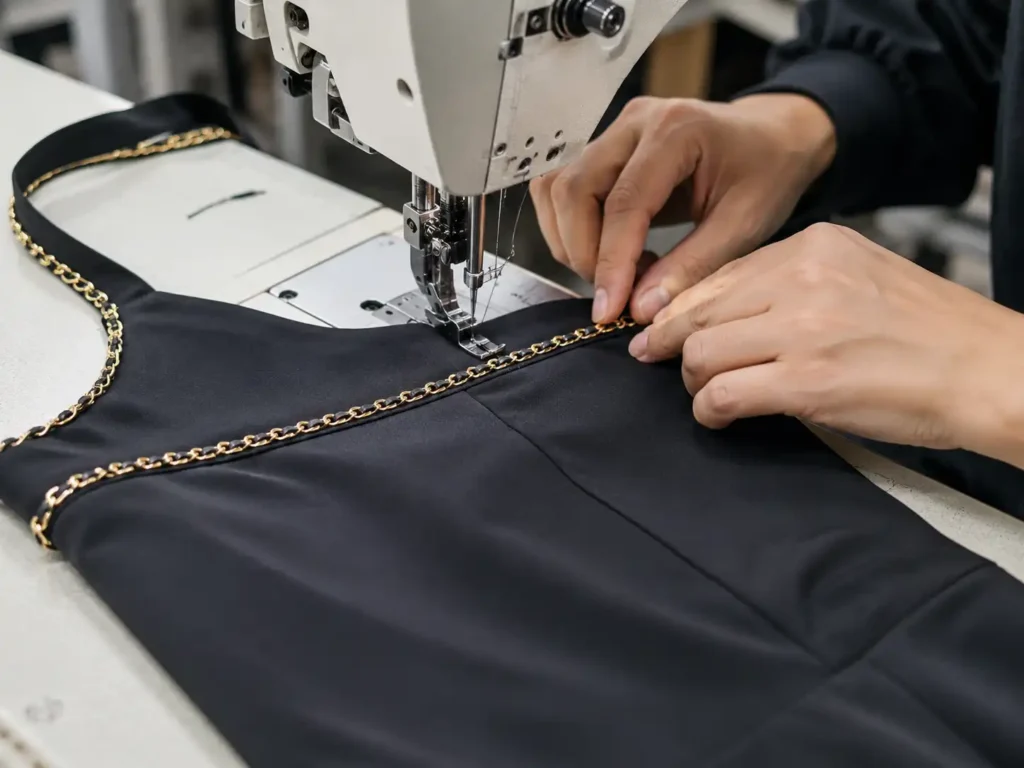
Duolan brings product development, sampling, material coordination, factory allocation, bulk production and quality control into one managed manufacturing system. The network is led by owned factories and supported by long-term satellite capacity, allowing each style to follow a production route suited to its fabric, silhouette, workmanship, order volume and delivery window.

  • 16 owned women’s fashion factories forming the core production structure.
  • 20+ long-term satellite factories for parallel programs, repeat orders and seasonal capacity expansion.
  • 300 sewing lines, including 50+ fast-response and flexible production lines.
  • Approximately 6.5 million pieces of stable monthly capacity across the wider manufacturing system.
  • 15,000-35,000 sample pieces or development units supported per month across the group.
  • SMETA and SMETA 2-Pillar audit records within the manufacturing system.

What Our Women's Manufacturing Network Means

A manufacturing network creates value only when factory resources, development work and quality responsibility operate under one clear project system. Duolan combines an owned-factory core, long-term satellite capacity and specialized supply resources without turning the brand’s program into uncontrolled subcontracting.

Owned Factory Core

Sixteen owned fashion factories provide the central manufacturing base. Development-sensitive styles, complex dress structures, high-visibility collection pieces and programs requiring close sample-to-bulk control can remain within the core system. Pattern information, approved samples, workmanship references and production records stay connected to the teams responsible for execution.

Long-term Satellite Capacity

More than twenty long-term satellite factories add capacity for parallel production, repeat orders and seasonal peaks. These facilities are not selected at random after an order arrives. Production routing considers product category, construction, fabric behavior, specialist processes, available lines and the delivery calendar before any allocation is confirmed.

Integrated Supply Resources

Fabric, trims, pattern development, sample rooms, printing, embroidery, washing, dye effects, embellishment, inspection, packing and logistics coordination sit around the garment factories. One project team keeps the development basis, material status, approved standard and production milestones visible across the full route.

Duolan is not a public factory directory, a ready-stock platform or an unmanaged sourcing intermediary. Responsibility remains with a coordinated development and production structure from initial review through bulk delivery.

Built for Established Fashion Organizations

The network is structured for organizations with defined product direction, seasonal calendars, technical standards and repeat-order potential. Different teams enter the relationship with different pressures, so project control must respond to the way each function evaluates a manufacturing partner.

Global Fashion Brands

Global brands require consistent standards across styles, factories and production batches. Factory transparency, audit scope, documentation discipline, material control and repeat-order accuracy matter as much as sewing capacity. Duolan supports a program structure in which the approved product basis remains visible while capacity expands.

Buying and Sourcing Teams

Buying and sourcing teams need verified factory identities, realistic loading information, clear production ownership and dependable escalation routes. The network model reduces the need to coordinate separate factories for every construction type while preserving style-level visibility, inspection points and production records.

Product Development Teams

Product teams focus on silhouette, fabric behavior, fit priorities, sample comments and production readiness. Development work is organized before bulk allocation so a visually successful sample does not enter a line that cannot repeat the same structure, finish or material handling at scale.

Multi-brand Fashion Groups

Multi-brand groups often manage several price levels, calendars and product directions at once. A coordinated network can separate premium image styles, commercial volume styles and process-dependent garments while maintaining one reporting structure and one set of approved technical references for each program.

Supply Risks a Manufacturing Network Must Control

A women’s fashion manufacturing network should match every style to suitable development and production resources while preserving one approved technical, quality and delivery standard. The value lies in controlled allocation, not simply access to more factories.

Program RiskCommon LimitationDuolan Control Method
Many styles developing togetherSample rooms and approvals compete for the same resources, causing hidden delays.Styles are grouped by launch priority, development status, fabric readiness and technical route before capacity is reserved.
Different constructions in one collectionOne factory may be strong in basic sewing but weak in corsetry, stretch fit, sheer layering or embellishment.Each style is reviewed for silhouette, fabric, support, workmanship and specialist-process requirements before factory matching.
Seasonal capacity pressureA single line may become unavailable when approvals are late or another program expands.Core and satellite capacity is planned around confirmed material dates, approved standards and required shipment windows.
Repeat order expansionThe original line may be full, while a new line may interpret the garment differently.Approved pattern, BOM, measurements, construction details, photos and reference samples are retained for controlled transfer.
Quality variation across factoriesMeasurements, stitching, handling and visual finish can drift between facilities.First-piece confirmation, inline checks, measurement review and final inspection follow the same style-level control plan.
Special process dependencyPrinting, embroidery, dye effects or embellishment can delay the main sewing schedule.Strike-offs, process samples, material approvals and external-process capacity are placed on the critical path before bulk start.

A Scalable Women's Fashion Manufacturing System

Duolan’s capacity comes from a layered structure rather than one oversized production floor. Owned factories retain control over technically sensitive work, satellite facilities provide planned elasticity, and group-level resources support several collection programs without forcing unrelated products through the same manufacturing route.

Core Factory Control

Sixteen owned fashion factories form the controlled center of the system. They are suited to projects where sample interpretation, pattern balance, finishing quality and production readiness require close cooperation among development, merchandising, technical and quality teams. Core image styles, fitted silhouettes, delicate fabrics and construction-heavy dresses can be assigned to factories with the right previous experience rather than the first open line. Owned-factory control also supports faster issue escalation. When a first piece reveals a balance, stitch, support or handling problem, the relevant pattern, sample and production teams can review the same approved references before the issue spreads across a line. The objective is not to move work between factories frequently, but to choose a route capable of remaining stable through the order.

Regional and Satellite Capacity

More than twenty long-term satellite factories support repeat orders, parallel styles and seasonal concentration. The wider manufacturing structure includes stable regional resources in Guangxi, Guizhou, Sichuan and Jiangxi, with more than 12,000 workers across associated facilities. Allocation remains project-specific: a stable commercial style may use scalable satellite capacity after standards are locked, while a complex new style may remain under tighter core-factory control. Satellite capacity is most useful when it is planned early. Material availability, construction method, operator skill, expected efficiency and quality checkpoints are reviewed before a production route is released. Duolan does not treat overflow capacity as permission to send garments to an unknown workshop without technical ownership.

Capacity with Project-level Discipline

The group manufacturing base includes approximately 300 sewing lines and more than 50 fast-response and flexible lines. Stable monthly capacity is around 6.5 million pieces, peak output can reach approximately 10 million pieces, and a further 1-2 million pieces of monthly space may be coordinated when conditions allow. Available capacity for any brand program is confirmed only after style complexity, factory loading, material readiness, quality requirements and shipment timing have been reviewed. Large numbers are useful only when converted into a workable production plan. A 24-style collection with several fabric families should not be treated as one undivided order. Styles are separated by technical route, approval date and production dependency, then combined where shared fabric or processes can improve control. This approach protects launch timing without sacrificing the finish required for fashion-led products. 
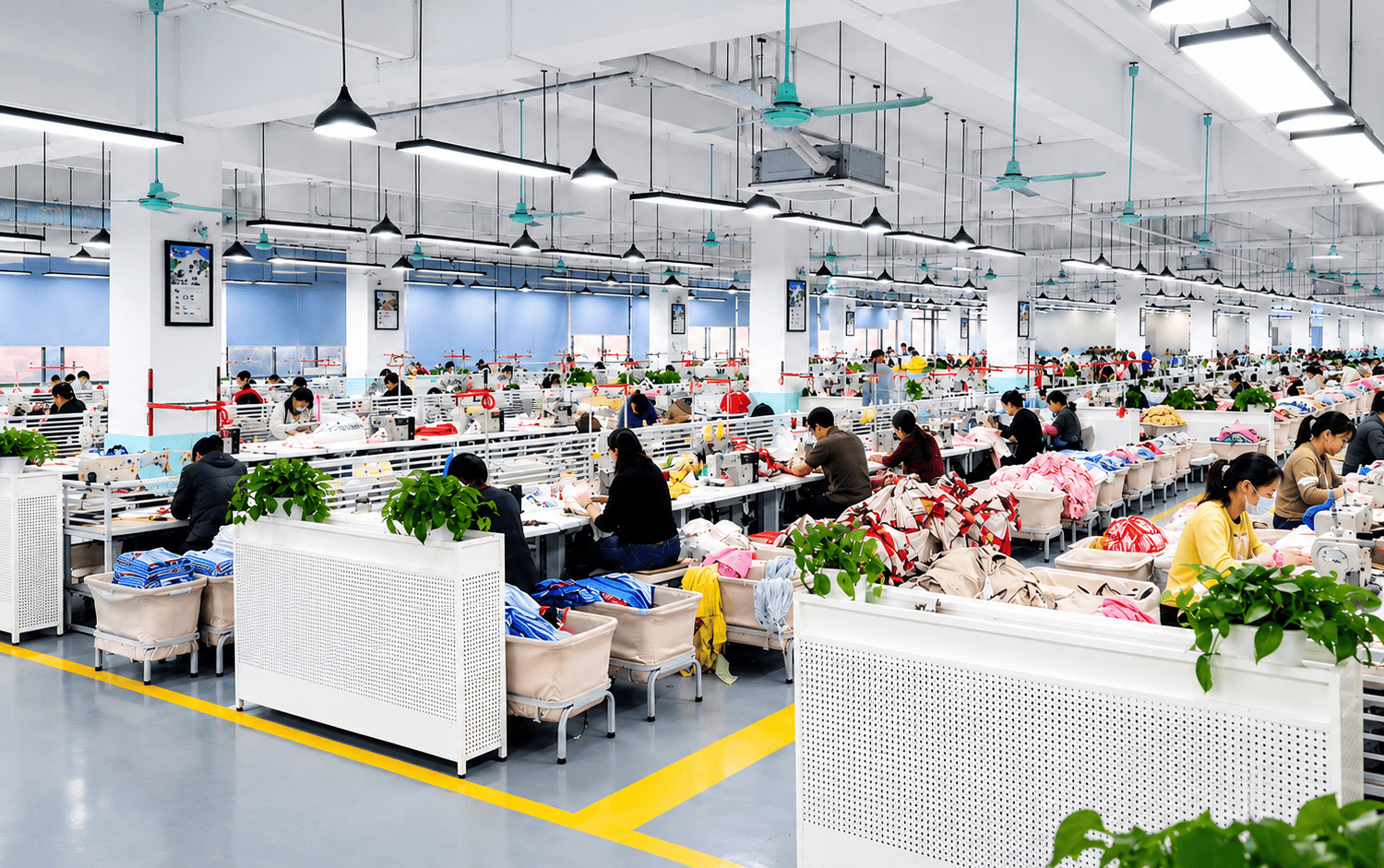
Duolan garment production workshop video cover showing sewing lines and apparel production

How We Allocate Styles Across the Network

A style is not assigned to the first available sewing line. Duolan reviews six manufacturing factors before confirming the production route, allowing fashion programs to use specialized resources without losing central control.

Product Category Review

Dress, top, set, skirt and fitted-garment categories require different pattern, sewing and pressing knowledge. The first review identifies the factory type and technical team most suited to the garment family.

Fabric Behavior Review

Drape, stretch, recovery, transparency, surface sensitivity, weight and shrinkage affect cutting, handling and construction. Fabric behavior is considered before efficiency or capacity assumptions are made.

Construction Complexity

Corsetry, boning, internal support, cups, cut-outs, bias sections, layered mesh, ruching and asymmetry change the skill and process requirements of a line.

Special Process Requirements

Printing, embroidery, sequins, pearls, stones, washing, pleating and dye effects need approved samples, process capacity and production sequencing before main-line release.

Quantity and Delivery Window

Order volume, color count, size breakdown, material arrival and shipment date determine whether a style needs one line, parallel lines or staged production.

Quality and Audit Requirements

The selected factory must fit the required inspection plan, audit scope, testing route, documentation and traceability expectations for the program.

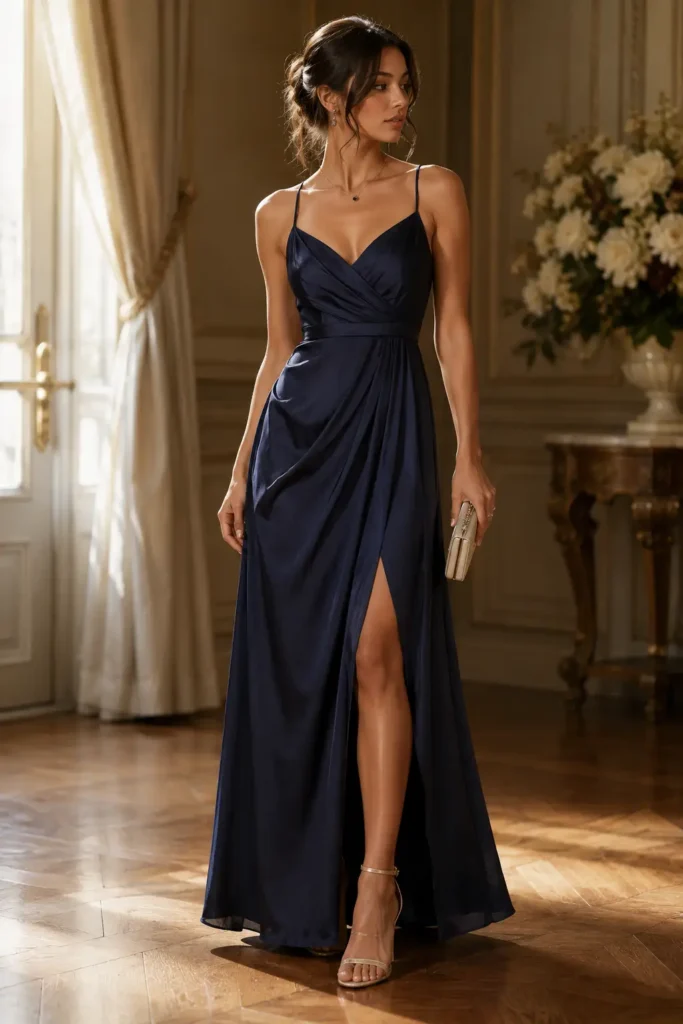
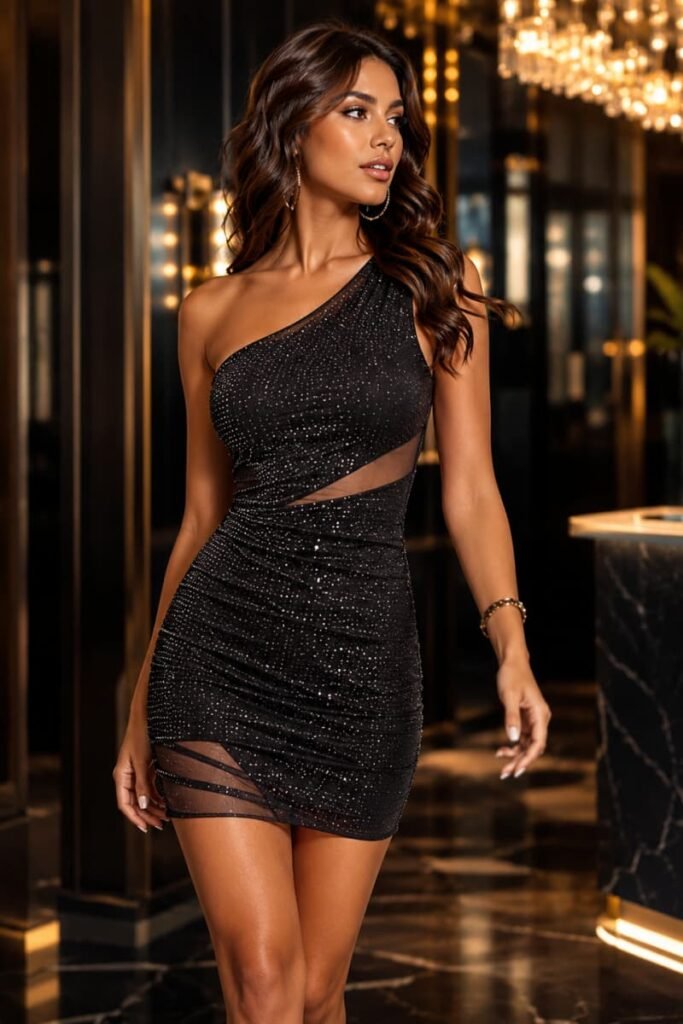
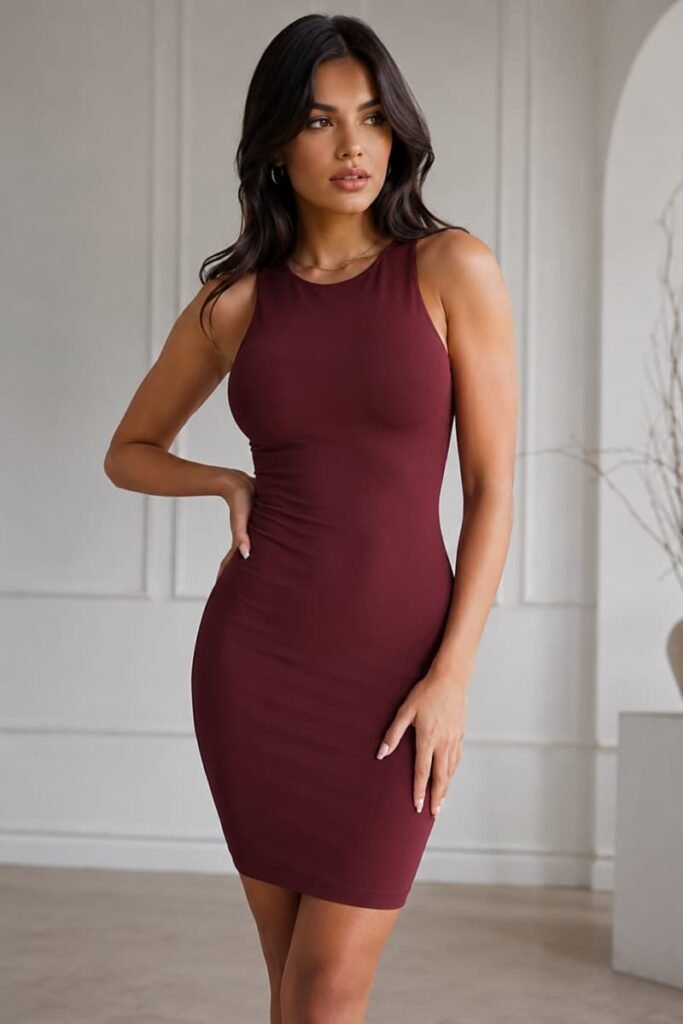
Examples of route selection are product-specific. A satin slip dress needs careful handling, bias control and seam-finish discipline. A bodycon dress needs stretch recovery, opacity and grading control. A corset dress needs cup, boning and internal-support experience. A sequin dress needs decoration placement, comfort and secure attachment. A proven repeat style can move into scalable production only after the approved standard is complete.

Women's Fashion Categories Across Our Network

The production structure is centered on fashion-led womenswear rather than a broad claim to make every garment type. Each category follows a different development and manufacturing route, with fabric, structure, workmanship and inspection priorities defined before bulk planning.
Fashion Dresses​

Fashion Dresses

Mini, midi, maxi and fashion-forward silhouettes developed around brand direction, fabric performance and commercial fit. Key controls include proportion, balance, drape, seam quality and repeatable construction.

Occasion Dresses

Cocktail, wedding guest, graduation, homecoming and event-driven dresses often combine fitted areas, draped sections, lining and elevated finishing. Support, coverage and visual polish receive early review.

Party Dresses

Satin, mesh, sequins, stones, pearls and statement details require coordinated material and process approvals. Decoration density, garment weight, comfort and secure attachment are checked before scale-up.

Bodycon Dresses

Stretch ratio, recovery, opacity, negative ease, seam stability and grading shape the final fit. Fabric lots and sewing methods are controlled to limit measurement drift across colors and sizes.

Vacation Dresses

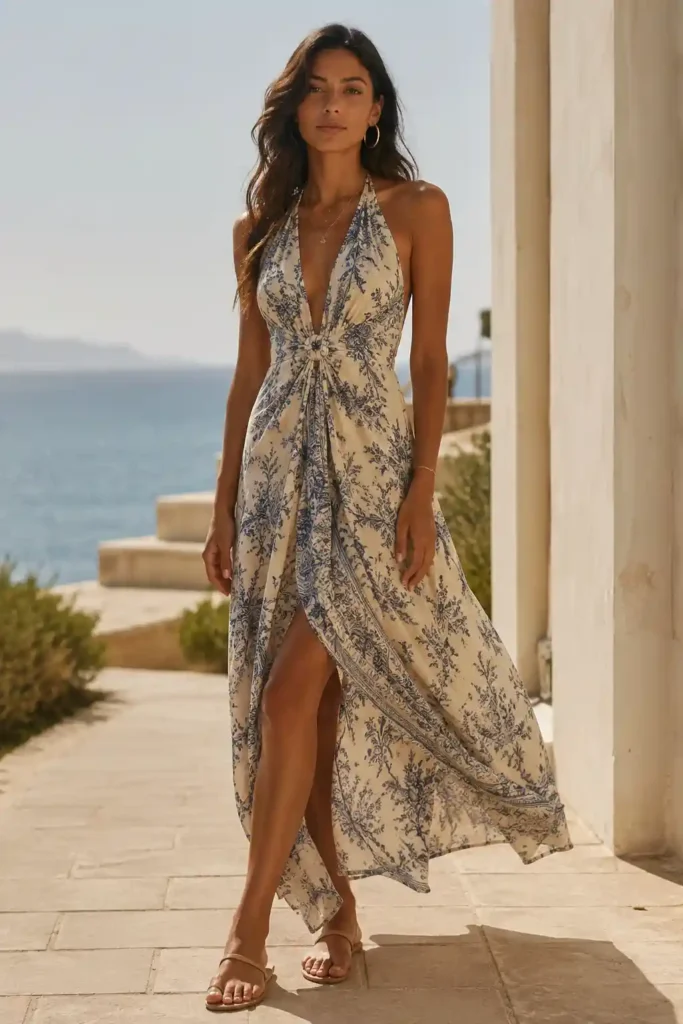
Lightweight wovens, printed fabrics, cut-outs, halter shapes and open backs need stable edges, controlled coverage and suitable linings. Color, shrinkage and surface handling influence the route.

Fashion Sets

Tops and skirts or coordinated pieces require matching color, fabric lots, proportion and packing. Production planning keeps both components aligned so complete sets are available for shipment.

Refined Fashion Tops

Corset tops, draped tops, halters and occasion-led separates extend a dress collection while using related fabrics and trims. Construction and fit standards remain connected to the collection direction.

Collection Extensions

Skirts and selected complementary womenswear pieces can be developed when they support a coherent seasonal program. Allocation follows product specialization rather than a generic multi-category promise.

Development Resources Before Factory Allocation

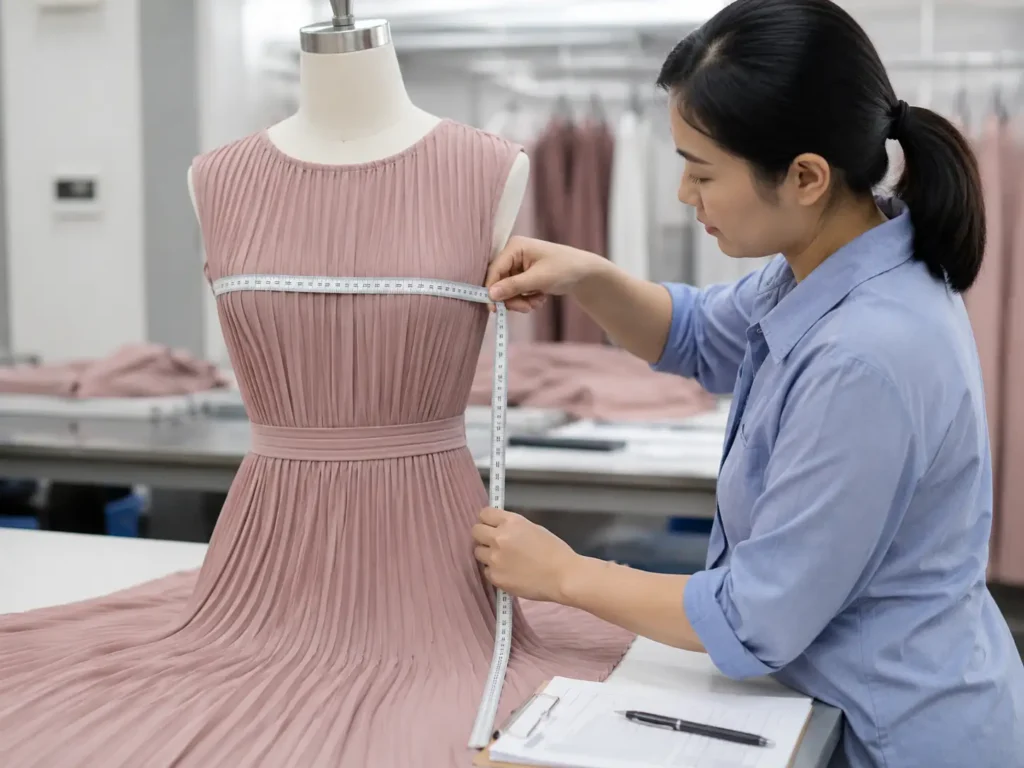
A production network should begin working before bulk allocation. Duolan turns a tech pack, original sample, reference image or collection brief into a controlled development path, allowing the selected factory to receive a version with clearer fit, material, construction and production requirements.

Design and Feasibility Review

The first review identifies the product goal, sample purpose and highest-risk details. Teams examine silhouette, coverage, support, drape, surface finish and the intended price and delivery structure. Missing measurements, unclear construction or incompatible fabric ideas are raised before pattern and sample work absorbs time. For a corset dress, bust support, cup position, waist balance and closure may lead the review. For a satin style, fabric weight, seam visibility and drape may take priority.

Fabric and Trim Development

Materials are judged by how they behave in the garment, not by swatch appearance alone. Drape, stretch, recovery, opacity, shrinkage, width, weight, surface sensitivity and shade variation influence pattern and sewing decisions. Linings, zippers, elastic, boning, cups, hooks, decorative trims and labels are reviewed as functional parts of the product. When a process depends on a strike-off, lab dip or embellishment sample, approval is placed on the timeline before bulk material commitment.

Pattern and Sample Development

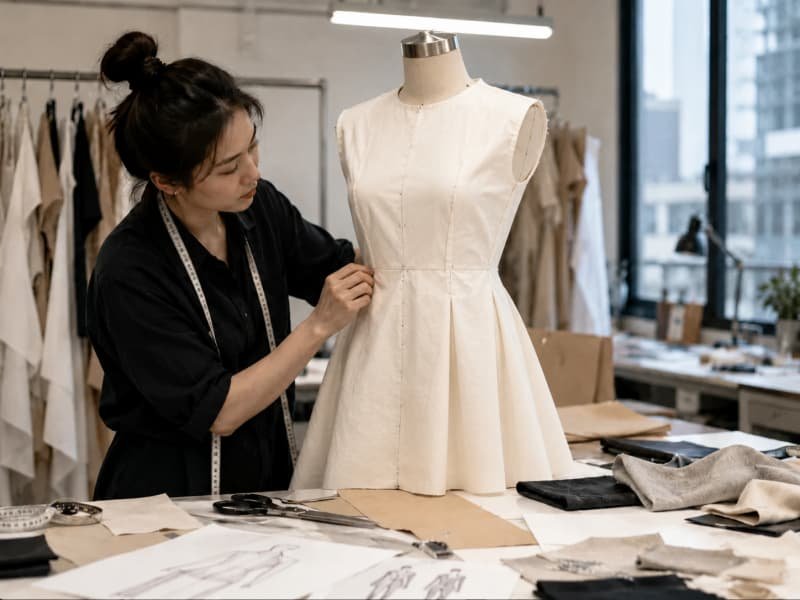
Pattern work translates the design into body balance, proportion and construction. The sample stage can include first prototype, fit sample, revised sample, salesman sample and pre-production sample depending on the project. Comments are separated into fit adjustments, material or detail changes, visual preferences and production-related points. A revision summary keeps the next sample round focused, rather than allowing unrelated changes to enter without priority.

Production-readiness Review

A visually attractive sample is not automatically ready for a production line. Before bulk planning, Duolan reviews the approved version, material direction, pattern status, measurement table, construction details, workmanship references and unresolved risks. The sample proposal also defines which approvals are required, what is included in development and which changes may affect the final schedule. Exact sample timing is confirmed after complexity, material readiness and approval dependencies are known.

The group can support approximately 15,000-35,000 sample pieces or development units per month and 3,000-8,000 style-development workflows. Capacity is managed through structured briefs, feasibility review, staged updates and revision records so volume does not replace development accuracy.

Integrated Materials and Special Process Network

The manufacturing route extends beyond sewing lines. Duolan works with established fabric, trim and special-process resources around the core factory system, allowing fashion programs to coordinate materials and decorative work before they become production delays.
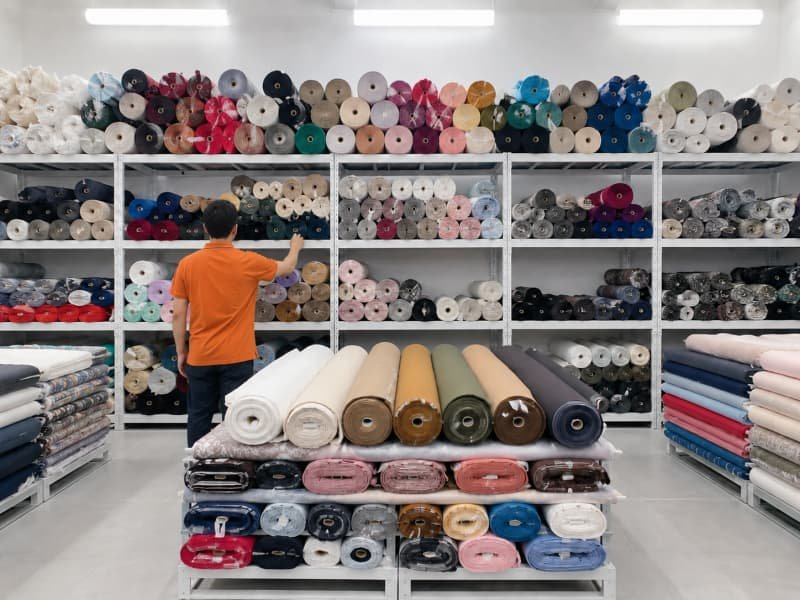
Fabric Mills and Markets
Woven, knitted, stretch, satin, mesh, lace, velvet, chiffon and related fashion fabrics are sourced according to garment behavior, color, width, weight, handfeel and production repeatability. Access to South China’s mature textile resources supports comparison and replacement options.
2. Lining and Support Material Readiness (1)

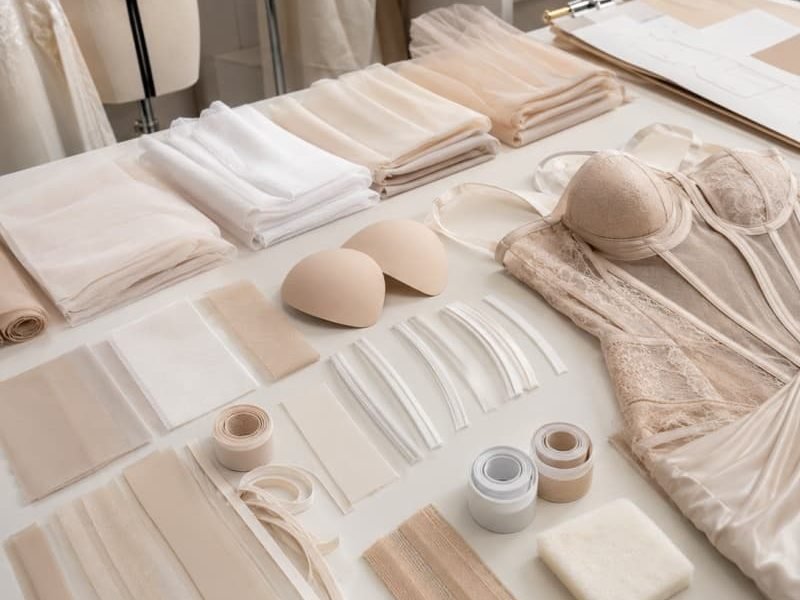
Linings and Support Materials

Lining, mesh, fusible materials, cups, boning, elastic and support components are selected around coverage, comfort, structure and cleaning requirements. An internal element must work with the shell fabric rather than distort the intended silhouette.
3. Trim and Closure Readiness (1)

Zippers, Closures and Trims

Invisible zippers, exposed zippers, hooks, snaps, buttons, straps, sliders and labels are evaluated for appearance, strength, bulk and compatibility with the garment. Trim approval includes color, function and attachment method.

Printing and Dye Effects

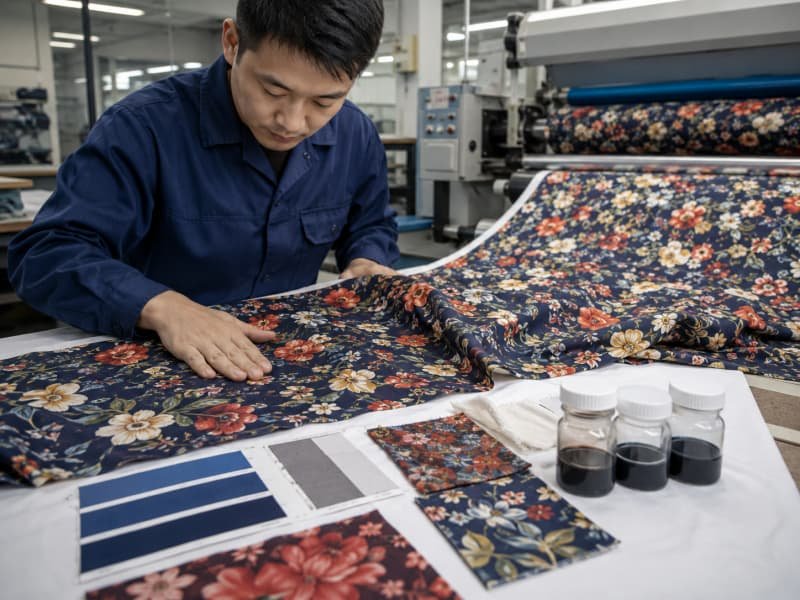
Digital printing, screen printing, transfer processes and selected dye effects require color approval, handfeel review and process testing. Print placement, shrinkage and shade consistency are considered before the main fabric is released.

Embroidery and Embellishment

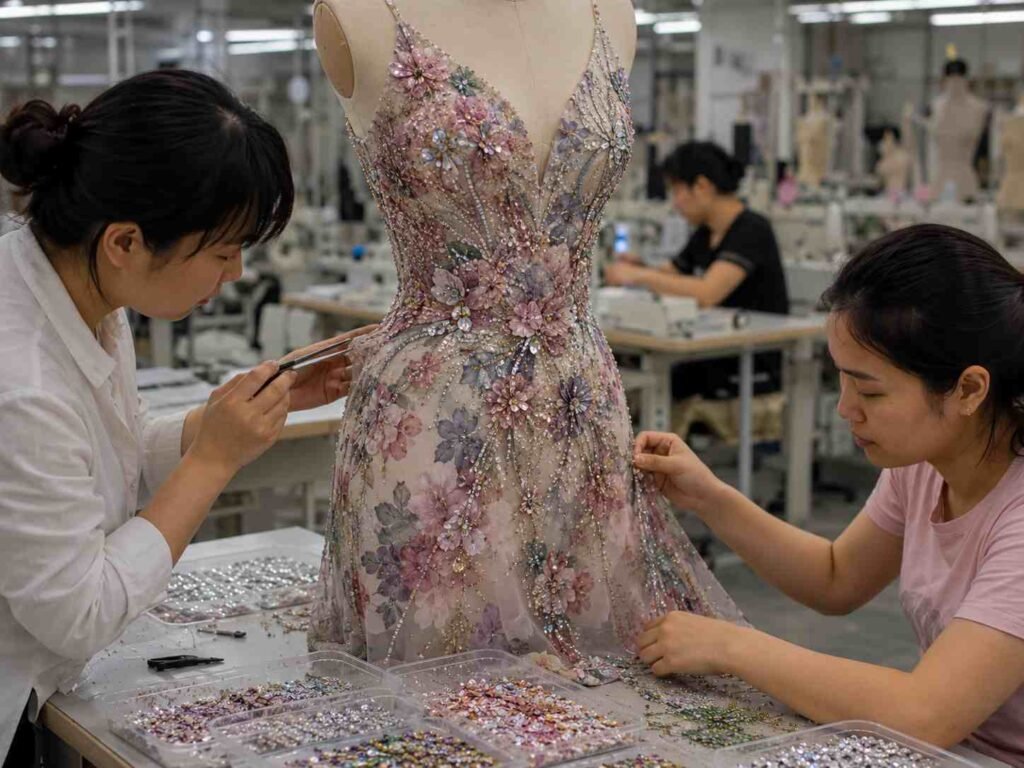
Embroidery, sequins, pearls, stones and composite decoration are reviewed for placement, density, weight, comfort, attachment security and production sequence. Decoration maps and approved samples reduce visual drift across panels and sizes.

Washing and Finishing

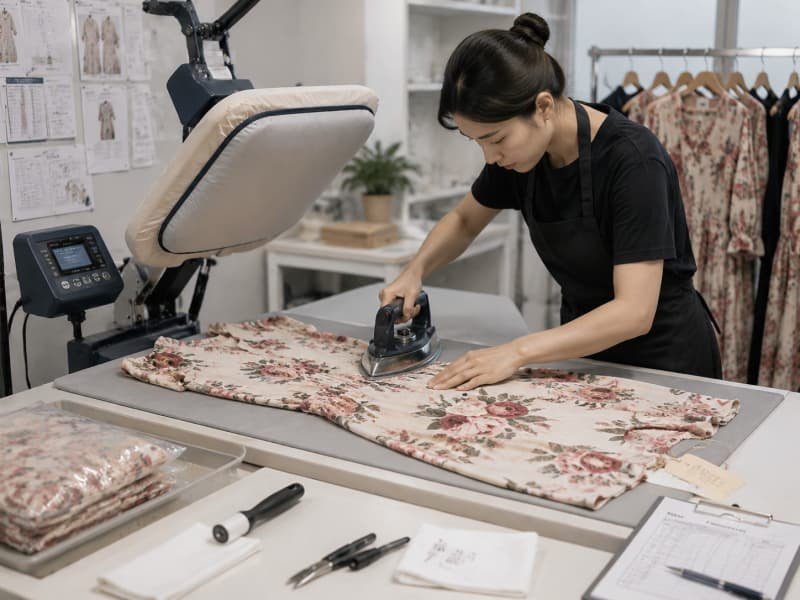
Washing, pressing, pleating and finishing can change handfeel, measurements, shine and garment shape. The process route is tested when the effect is essential to the final look, especially for sensitive or dimensional fabrics.

Special-process resources are matched according to fabric behavior, design target, order size and delivery pressure. Duolan’s established coordination base includes two to three commonly used partner factories in several process areas such as printing, dip-dye effects, embroidery and washing, allowing alternatives to be assessed before a bottleneck reaches production.

Coordinating Multi-style Women's Fashion Programs

Established fashion programs often contain 10-30 styles rather than a single garment. A coordinated network separates styles by role and technical route while keeping approvals, material dates and shipment priorities visible in one program schedule.

Hero and Image Styles

High-visibility silhouettes often carry greater fit, material and finishing risk. They receive earlier feasibility review, sample priority and closer core-factory attention. A delayed image style can affect campaign photography, wholesale presentations and launch timing even when the remaining collection is ready.

Commercial Volume Styles

Commercial styles may use proven fabrics, repeatable construction and larger quantities. Their route focuses on efficiency without weakening measurement, workmanship or approved visual standards. Once readiness is confirmed, scalable capacity can be reserved across a suitable factory or parallel lines.

Process-dependent Styles

Printed, embroidered, embellished, washed or specially dyed garments follow separate approval paths. Strike-offs, process samples, material arrival and specialist capacity become visible milestones. The main sewing date is not promised before the dependent process is sufficiently controlled.

Shared fabric or trim families can be combined for sourcing and approval, while each style keeps its own sample status, measurements and production standard. Launch dates are used to work backward through material commitment, sample approval, pre-production checks, sewing, inspection, packing and shipment. A program is released in controlled stages when one uniform start date would create unnecessary risk.

One Approved Standard Across Multiple Factories

A manufacturing network becomes scalable only when the approved sample is translated into measurable production instructions. Every assigned factory and line must work from the same material, pattern, measurement, construction and visual references.

Control ItemLocked Production InformationRisk Controlled
FabricSupplier, article number, composition, weight, width, stretch or shrinkage data, handfeel and approved lot reference.Drape, opacity, recovery, shrinkage and final appearance changing between sample and bulk.
Color and SurfaceApproved lab dip, strike-off, print file, decoration map, shade band or physical color reference.Color drift, print variation and inconsistent embellishment placement.
Pattern and GradingFinal pattern version, grain direction, notches, seam allowance, grading rules and cut-component identification.Shape, balance and proportions changing across sizes or facilities.
MeasurementsFinished garment measurement chart, measuring method, tolerances and priority fit points.Uncontrolled size variation and disagreement over inspection results.
ConstructionSeam types, stitch density, reinforcement, support elements, lining method, closures and assembly sequence.Different workmanship interpretations across lines.
Approved Visual StandardReference sample, detail photos, pressing standard and accepted appearance notes.A technically compliant garment losing the intended fashion finish.
Inspection PlanFirst-piece, inline, measurement, workmanship, final and packing checkpoints with responsibility assigned.Problems reaching final inspection after a full quantity is completed.
Packing and IdentificationLabels, barcodes, polybag, folding, size ratio, carton marking, assortment and shipment instructions.SKU, warehouse and market-delivery errors after production is complete.

Any production transfer starts from the approved standard, not from verbal instruction. Materials and technical records are checked before the receiving line begins, followed by first-piece review and increased early inline inspection where a style is newly introduced.

Central Quality Control Across the Network

Quality control is organized around the product risk, not only the final inspection date. Each style uses the approved sample, BOM, measurement chart, construction details and workmanship references to define what must be checked before cutting, during sewing and before shipment.

Incoming Fabric Inspection
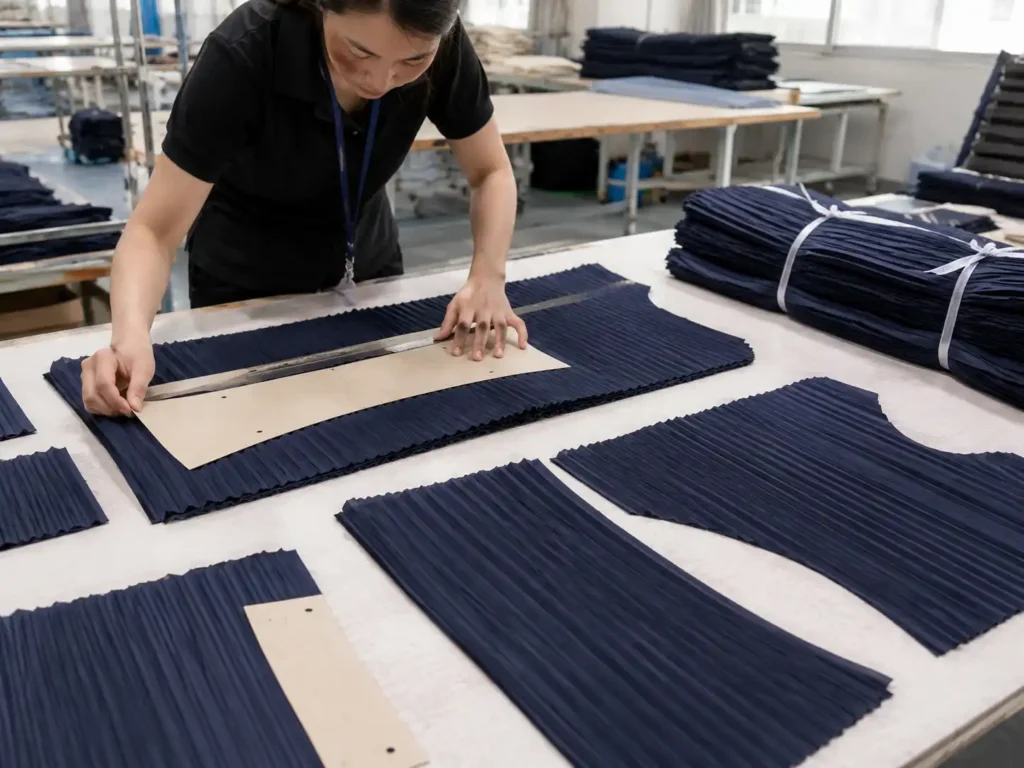
Fabric is checked for identity, width, visible defects, shade variation and relevant performance concerns before cutting. Sensitive programs may also require shrinkage, weight, stretch, recovery, color or surface review according to the product and market requirements. Shade groups and lot information are retained when color matching across panels is important.

Cutting and Component Control

Grain direction, nap, print placement, stripe or check alignment, shade grouping and component numbering affect the result before sewing begins. Delicate satin, velvet, printed panels, asymmetric pieces and directional decoration need cutting instructions suited to the material and approved design.

First-piece Confirmation

A completed first piece or controlled first-piece set is reviewed before the full line continues. Measurements, balance, construction, internal support, closure function, visible stitching, pressing and key fashion details are compared with the approved standard. Corrections are issued while the affected quantity remains limited.

Inline Sewing Inspection

Inline checks focus on the operations most likely to create irreversible defects. Examples include cup and boning position in corset dresses, seam stretch in bodycon styles, puckering in satin, mesh-layer alignment, zipper waves, decoration attachment and lining coverage. Findings are recorded, affected work is isolated and corrective action is verified.

Measurement and Workmanship Review

Measurements follow defined methods and tolerances rather than informal comparison. Priority points vary by silhouette: bust and waist balance may lead a corset dress review, while length, hip, stretch recovery and hem shape may lead another style. Workmanship review also considers the visible finish expected at the brand’s price and market position.

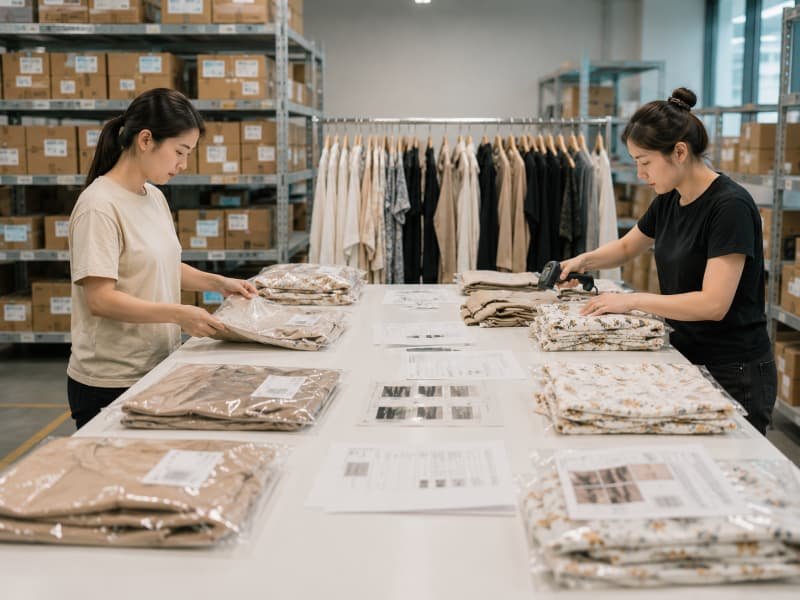
Final and Packing Inspection

Final inspection verifies finished measurements, workmanship, appearance, labeling, barcode information, assortment, packing and carton identification. Third-party inspection can be coordinated when required. Final inspection remains a release decision, not the first moment when quality is examined.

For multi-factory programs, one central control logic remains responsible for approved references, issue escalation and release status. Factory-level teams perform process checks, while program-level quality coordination compares results across facilities and production batches.

Capacity Planned Around Each Fashion Program

Capacity is reserved around the actual style mix rather than a group headline number. Style count, order quantity, colors, size distribution, material arrival, construction, approval status and shipment date all influence line planning.

New Seasonal Launch

A new collection may require staggered sample approvals and several material families. Core styles are prioritized first, while commercial styles move when fabric and technical files are ready. Production is released in waves rather than waiting for every style to reach the same status.

Multi-style Bulk Program

Programs containing 10-30 styles are split by product route and factory specialization. Shared fabrics or processes are grouped where useful, while each style retains its own approval and inspection plan. Current brand programs commonly total 20,000-80,000 pieces per order cycle.

Fast-moving Repeat Order

Repeat capacity planning begins with material availability, original line status and record review. A new fabric lot, revised size ratio or changed label version can alter the schedule even when the silhouette is unchanged.

Large-volume Scale-up

A proven style may need parallel lines or staged shipment. Technical transfer, first-piece confirmation and stronger early inline checks protect consistency when capacity expands. Additional lines are added only after the approved production pack is complete.

Reference bulk production timing is 15-20 days for simple styles, 20-30 days for regular fashion styles and 30-45 days for complex styles after materials, approvals and production readiness are in place. Delivery timing is confirmed against actual factory loading and process dependencies. Express shipment commonly takes 3-7 days, air freight 5-8 days and sea freight 20-35 days, subject to route, customs and destination conditions.

Audit Readiness and Production Traceability

Factory approval requires more than a certificate list. Audit scope, legal entity, production address, product route and the actual facility assigned to the order must match the brand’s vendor requirements.

Audit Scope

The manufacturing system includes SMETA audit and SMETA 2-Pillar audit records. Relevant reports, facility details and scope should be reviewed against the factory proposed for the program. Audit information is provided for qualification review rather than presented as a generic badge covering every partner location.

Program-specific Standards

Duolan can coordinate requirements related to BSCI, ISO 9001, AATCC, ASTM, OEKO-TEX, EN standards, China GB standards, GOTS-related projects and specific brand protocols where applicable. The exact test, audit or certification route depends on the market, product, material, factory and brand requirement. 

Production Traceability

Project records can identify fabric and trim sources, material lots, assigned factory, specialist-process facility, production line, inspection status, packing details and shipment documents. Traceability becomes especially important when one program includes several factories, repeated color lots or separate process suppliers.

Design files, technical packs, original samples and commercial information can be handled under an NDA. Access should remain limited to the project teams and approved production resources involved in development and execution.

A Network Built for Repeat-order Scalability

A successful first order should create a stronger base for the next production round. Duolan retains technical references and reviews every new batch so replenishment is controlled without treating a proven style as a completely new development project.

Approved Pattern Retention

Final pattern versions, grading rules, construction notes and priority measurements are preserved. A future line receives the approved technical basis rather than rebuilding the style from memory.

Material and Color Records

Fabric articles, trims, approved colors, print or decoration references and previous lot observations are retained. New lots are reviewed because repeat supply can still change in shade, handfeel, stretch or shrinkage.

Repeat Capacity Planning

Original factory and line availability are checked first. When transfer or additional capacity is needed, records, reference samples and first-piece approval support a controlled introduction to the new route.

Multi-batch Quality Comparison

Measurements, workmanship findings, shade information and packing results can be compared across production batches. Recurring issues become preventive controls for the next order rather than isolated corrections.

Before a repeat order starts, the team confirms whether the original fabric remains available, whether a new dye lot needs approval, whether trims or labels have changed, whether the size ratio is revised and whether the requested volume requires additional lines. Preserved records shorten decision time, while fresh checks protect against false assumptions.

Evidence Behind the Manufacturing Network

The following anonymized programs reflect the current scale and style mix of established brand orders. Brand names and identifying files remain confidential, while the production structures illustrate how multi-style womenswear programs can be divided and controlled across the network.

18-style Party and Occasion Program - 48,000 Pieces

An occasion-led program combined satin dresses, mesh-layered styles, fitted bodycon pieces and embellished party dresses across 18 styles. Total volume reached 48,000 pieces, with quantities assigned by construction rather than divided evenly. Satin and structured styles remained with factories experienced in delicate handling and support work. Embellished pieces followed separate material and process approvals before joining the sewing schedule. Shared color families were reviewed together, while every style retained its own measurements, sample status and workmanship reference.

Bulk release followed three approval groups. Image styles entered first-piece review before commercial styles opened on additional lines. Decoration maps, lining coverage and zipper finish were included in early inline checks. Packing was staged by confirmed style group, allowing completed products to move without waiting for the final embellished styles.

24-style Seasonal Scale-up - 72,000 Pieces

A seasonal program contained 24 dresses, tops and coordinated sets totaling 72,000 pieces. The order used several woven and stretch fabric families, so material readiness became the main production gate. Styles were classified as development-sensitive, stable commercial and repeat-derived. Owned factories handled new silhouettes and fit-sensitive garments, while approved commercial styles used planned satellite capacity after technical packs and first-piece standards were locked.

The launch calendar was worked backward through material arrival, pre-production checks, sewing, inspection and shipment. Two production waves protected early launch styles from later fabric dependencies. Common trims and labels were consolidated, while style-specific linings, zippers and support components remained separately controlled. The result was a single program view with different technical routes rather than one factory schedule forced across all styles.

12-style Mixed-construction Collection - 28,800 Pieces

A 12-style collection totaling 28,800 pieces combined halter dresses, open-back silhouettes, corset-influenced shapes, stretch fitted styles and vacation dresses. Open-back and halter styles required strap, coverage and edge-stability review. Corset-influenced styles required cup position, waist balance and internal-support control. Stretch styles followed recovery, opacity and grading checks. Lightweight vacation dresses focused on print placement, drape, lining and hem behavior.

Production was divided among specialized routes while keeping one program-level material tracker and quality summary. Each style moved only after its approved sample, measurements and critical workmanship notes were complete. The mixed construction could not be managed responsibly as one generic dress order, so capacity was allocated according to the technical work required.

The following anonymized programs reflect the current scale and style mix of established brand orders. Brand names and identifying files remain confidential, while the production structures illustrate how multi-style womenswear programs can be divided and controlled across the network.

Frequently Asked Questions About Our Manufacturing Network

It is a coordinated system of garment factories, development teams, material resources, specialist processes and quality controls managed around a common production standard. Duolan’s structure is led by 16 owned fashion factories and supported by 20+ long-term satellite factories, rather than operating as a public directory or random factory-matching service.
Duolan’s manufacturing system is built around 16 owned women’s fashion factories. More than 20 long-term satellite factories provide planned support for parallel orders, repeat production and seasonal capacity. The proposed production facility is selected according to product, construction, material, quality and timing requirements.
Allocation follows product category, fabric behavior, construction complexity, specialist processes, order quantity, material timing, factory loading and audit requirements. A satin dress, bodycon style, corset dress and sequin garment may require different production routes even when they belong to one collection.
Factories and specialist processes are identified during production planning. Approved samples, material records, technical files and inspection responsibilities remain connected to the project team. Any planned transfer or added capacity requires technical review, first-piece confirmation and visibility within the production schedule.
Yes, when the categories fit the network’s womenswear focus and each product follows a suitable route. Dresses, fashion sets, refined tops and selected collection extensions can be coordinated within one seasonal program while retaining separate sample, material, production and quality status by style.
One approved production standard is created from the sample, BOM, pattern, measurements, construction details, workmanship references and packing instructions. Incoming material checks, first-piece review, inline inspection, measurement control and final inspection are applied according to each style’s risk.
The wider system includes approximately 300 sewing lines and 50+ flexible lines, with stable monthly capacity around 6.5 million pieces. Program capacity is confirmed after style complexity, material readiness, approvals, current loading and delivery windows are reviewed. Additional lines are introduced through controlled technical transfer.
The manufacturing system includes SMETA and SMETA 2-Pillar audit records. Applicable reports, facility scope and brand-specific requirements are confirmed for the proposed production site. Other standards or protocols are coordinated according to the market, product, material and actual facility involved.
NDA-based cooperation can cover tech packs, original samples, line sheets, artwork, patterns, commercial terms and project information. Access is limited to the teams and approved production resources required for development and manufacturing. Published case evidence should be anonymized and redacted.
Please provide the product categories, number of styles, estimated quantity by style, target market, tech packs or references, fabric direction, size range, target delivery date, testing requirements and packing expectations. Complete information allows a more accurate factory route, development plan and production schedule.

Plan Your Women's Fashion Production Network

A reliable manufacturing plan begins with enough information to evaluate the collection as a program, not a collection of unrelated inquiries. Duolan reviews product direction, technical risk, material readiness, style count, order scale, timing and compliance requirements before proposing development and factory routes.

  • Brand or company profile and primary sales markets.
  • Product categories and number of styles in the program.
  • Tech packs, line sheets, reference images or original sample information.
  • Estimated quantity by style, color and intended size range.
  • Fabric, trim, print, embroidery or embellishment direction.
  • Target launch, delivery or required shipment dates.
  • Testing, audit, inspection and traceability requirements.
  • Labeling, barcode, packing, shipment and destination instructions.

After the initial review, the team can identify missing information, recommend a development sequence, map likely factory routes and confirm which approvals will control the schedule. Files may be shared under NDA when the program includes confidential designs or commercial information.
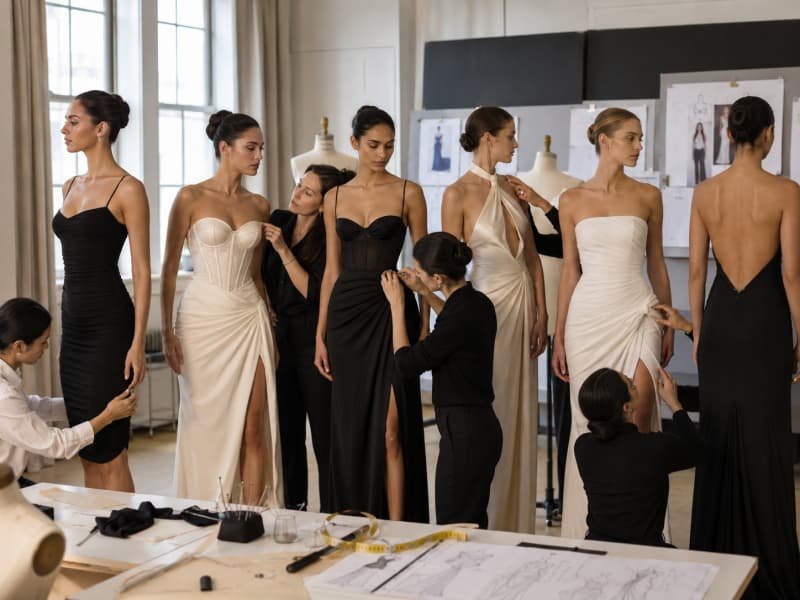

Start Your Apparel Development Project

OEM/ODM Manufacturing Support for Fashion Brands

Share your collection details, estimated quantities, target market, development timeline, and technical requirements. The production team will review your request and provide a tailored manufacturing solution based on your product category, fabric selection, construction needs, and delivery schedule.

Fashion Manufacturing Support with Scalable Production Capacity

From sample development to bulk production, Duolan supports fashion brands with confidential OEM/ODM manufacturing, stable quality management, flexible production planning, and coordinated multi-factory execution for seasonal and capsule collections.

Need Direct Assistance?