Skip to content
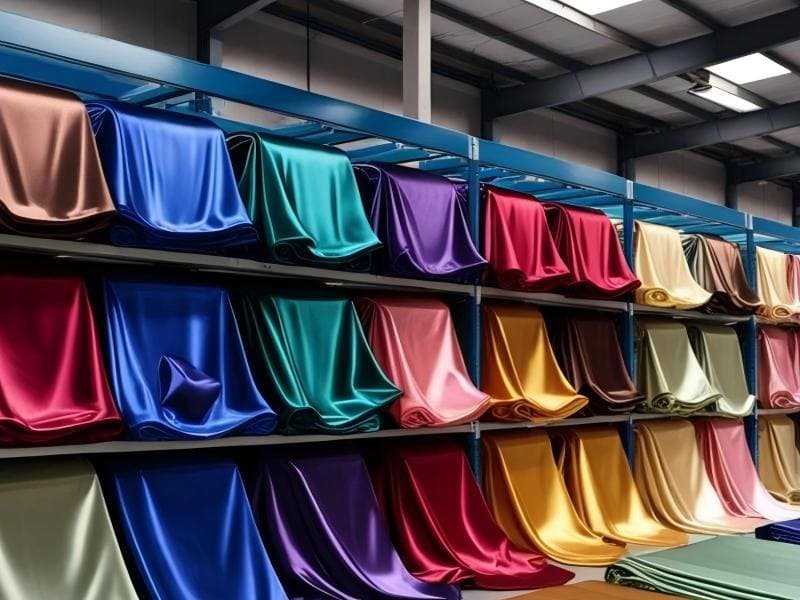
A dress design can look perfect on a moodboard and still fail in the sample room when fabric selection is wrong. The sketch may show a soft fall, a clean neckline, a fitted waist or a strong corset shape, but fabric decides whether those ideas become real on the body. A satin with weak body may show seam marks. A mesh with poor recovery may stretch out after fitting. A white jersey may turn sheer under light. A chiffon may float beautifully but fail when paired with heavy lining. Fabric selection is not a late sourcing detail. It is one of the earliest product development decisions affecting fit, cost, sample accuracy, bulk consistency, QC, packaging and wearer confidence.
Fashion brands should select dress fabric by reviewing drape, stretch, recovery, opacity, GSM, handfeel, shrinkage, colorfastness, lining need, construction compatibility and bulk availability. The selected fabric should support the silhouette, fit the target price, pass sampling review and remain stable during cutting, sewing, pressing, packing and repeat production.
A strong fabric choice gives the pattern maker a realistic foundation. A weak fabric choice forces every later stage to compensate. The sample room may adjust the pattern, add lining, change seams or alter finishing, but fabric behavior always remains inside the garment. In dress development, fabric is not only what the wearer touches. It is the quiet structure behind the whole product.
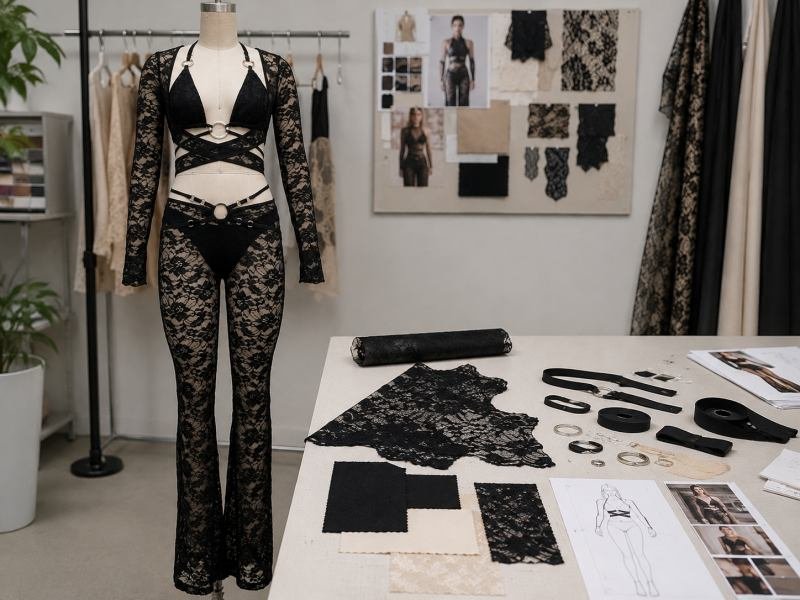
What Makes Fabric Selection Important?
Fabric selection matters because fabric controls silhouette, fit, comfort, opacity, movement, sewing behavior, cost and bulk stability. A dress sample made in the wrong fabric may look close to the reference but fail in drape, stretch, support, lining balance or wearer confidence. Fabric should be reviewed before pattern and sample decisions are finalized.
Fabric Control
Fabric controls more than surface appearance. It decides how the dress falls, how it stretches, how much body shape it reveals, how much support it gives, how easily it wrinkles, how it reacts to pressing and how stable it remains during bulk production. For a fashion brand, fabric is directly connected to first impression, try-on response and product reviews.
A satin dress depends on shine, weight, seam behavior and lining. A bodycon dress depends on stretch, recovery and opacity under tension. A corset dress depends on shell fabric strength, lining, boning support and internal structure. A resort maxi depends on lightness, flow, print clarity and transparency control. A lace dress depends on pattern scale, edge use, lining color and cutting direction.
When brands choose fabric only by photo, they risk choosing mood while missing performance. Fabric must be touched, stretched, draped, layered, photographed and reviewed against the target style. Duolan evaluates fabric selection through both design intent and production reality, because a beautiful fabric still needs to behave well when cut, sewn and produced in bulk.
Sampling Effect
Sampling becomes more accurate when the selected sample fabric is close to the intended bulk fabric. If a sample uses a substitute fabric, the brand must understand what the sample can and cannot prove. A substitute fabric may help test proportion, but it may not prove final drape, fit, opacity, recovery or seam quality.
For example, a cowl neck sample made in stiff polyester satin may not show the final neckline correctly if bulk will use a softer satin. A bodycon sample made in high-recovery knit may look stable, while bulk fabric with weaker recovery may bag at the hip. A mesh sample with one lining color may look premium, while another lining color can change the visual effect completely.
Brands should ask a clear question before sampling: is the fabric intended for visual approval, fit testing, construction review or production confirmation? A first sample can be useful even with substitute fabric, but approval meaning must be clear. Otherwise, the brand may approve a look the final fabric cannot reproduce.
Cost Impact
Fabric is often the largest cost driver in dress manufacturing. Depending on the style, main fabric may account for roughly 25%–50% of garment cost. Lining may add 3%–12%. Special fabrics, prints, sequins, lace, embroidery, custom dyeing, low-yield cutting or fabric waste can raise the cost further.
Fabric also affects labor cost. Slippery satin needs careful handling. Mesh needs controlled seam and lining work. Lace may require placement cutting. Sequin fabric needs special sewing preparation and lining. Thick structured fabric may slow cutting and pressing. Very light chiffon needs careful hemming and static control.
The cheapest fabric is not always the lowest-risk choice. If fabric causes sample rework, high defect rates, shade problems, seam puckering or product returns, it becomes expensive later. A commercially strong fabric is not simply low-priced. It is suitable for the design, stable in production and aligned with the brand’s target retail position.
| Fabric Decision | What It Controls | Risk If Ignored |
|---|---|---|
| Fabric type | Overall look and garment behavior | Sample may miss design intent |
| GSM / weight | Drape, opacity, structure and comfort | Dress may feel too flimsy or too heavy |
| Stretch direction | Fit, movement and size behavior | Garment may feel tight or lose shape |
| Recovery | Long-term fit stability | Bodycon or mesh styles may bag |
| Opacity | Coverage and wearer confidence | White, mesh or fitted styles may be too sheer |
| Lining need | Comfort, coverage and structure | Outer fabric may twist, cling or reveal too much |
| Colorfastness | Shade stability after use or care | Color change, staining or complaints |
| Bulk availability | Production continuity | Approved sample fabric may not support bulk |
Which Drape Details Matter?
Drape describes how fabric hangs, falls, folds and moves on the body. The same dress pattern can look completely different in soft, fluid, crisp or structured fabric. Brands should review drape through swatches, hanger tests, mannequin trials, first samples and, when needed, stiffness or bending behavior references.
Fabric Drape
Fabric drape is the way a fabric responds to gravity and body movement. A soft fabric collapses into folds. A crisp fabric holds shape. A fluid fabric moves easily. A stiff fabric creates volume or structure. For dresses, drape affects neckline fall, waist shape, skirt movement, slit behavior, hem balance and photo effect.
Drape matters because many dress references come from styled photos. A model image may show a skirt flowing because the fabric is lightweight and cut on the bias. Another dress may look sculpted because the fabric has body and internal support. If the brand chooses fabric with the wrong drape, the sample may technically follow the same pattern but visually feel like a different garment.
ASTM D1388 is a recognized standard for measuring fabric stiffness properties. It measures bending length and calculates flexural rigidity. For everyday development, brands may not need formal lab testing for every style, but the principle is valuable: fabric flexibility and stiffness can be compared, not guessed.
Soft Drape
Soft drape is usually suitable for slip dresses, chiffon maxi dresses, satin cowl neck dresses, resort dresses, bias-cut dresses, lightweight occasion dresses and flowing summer styles. These dresses need movement. The fabric should fall close to the body without looking stiff, bulky or forced.
Soft drape also brings risk. Very soft fabric may cling too much, show body lines, reveal seam allowance or require lining. Lightweight satin may look elegant but may show every needle mark or pressing impression. Chiffon may float beautifully but can become transparent, unstable or difficult to hem cleanly. Rayon or viscose blends can drape well but may shrink or grow if not tested properly.
Brands should not choose soft fabric only because it feels luxurious in the hand. They should ask whether the fabric supports the intended silhouette. A soft cowl neck fabric can be perfect. The same fabric may fail in a structured mini dress needing waist shape. Drape must match design purpose.
Structured Fabric
Structured fabric is useful when a dress needs shape, support or clean architecture. Corset dresses, fit-and-flare dresses, tailored work dresses, formal dresses, sculpted mini dresses and some strapless styles often require fabric with more body. These fabrics help hold seams, support internal construction and maintain silhouette.
Structure can also create problems. If fabric is too stiff, the garment may feel uncomfortable, create unwanted folds or restrict movement. If fabric is thick, seam areas may become bulky. If fabric does not press well, edges and hems may look heavy. A structured fabric may also change packing requirements because folds and creases become more visible.
The best structured fabric is not always the heaviest option. For custom dress development, the goal is controlled shape, not unnecessary weight. A corset dress may use structured outer fabric, suitable lining and boning to create support. A work dress may need enough body for clean lines while keeping comfort for sitting and movement. Duolan reviews structure as a system: fabric, lining, interlining, pattern and sewing method need to work together.
Drape Testing
Brands can test drape in simple and useful ways before full sampling. A swatch can be hung from one corner to observe fall. Fabric can be wrapped on a mannequin to check body behavior. A small panel can be pressed to check crease response. A sample yardage can be tested with lining to see whether the two fabrics move together.
For higher-value or technically sensitive projects, more formal tests may support decisions. Stiffness testing can help compare fabrics when a brand needs a more objective reference. Even without lab data, development teams should record fabric decisions clearly: “soft fluid drape for cowl neckline,” “medium body for A-line skirt,” “structured shell for corset support,” or “lightweight drape with full lining for opacity.”
| Drape Review Item | Data or Observation | Best Use |
|---|---|---|
| Bending length | Lab or supplier test value | Compare fabric stiffness |
| Flexural rigidity | Calculated stiffness reference | Review structure and body |
| Hanging test | Visual fall from swatch | Early drape screening |
| Mannequin review | Fabric behavior on body form | Dress silhouette review |
| Sample comparison | Approved sample vs bulk fabric | Bulk consistency control |
| Dress Direction | Preferred Drape | Fabric Risk to Review |
|---|---|---|
| Satin slip dress | Soft and fluid | Seam marks, cling, lining balance |
| Chiffon maxi dress | Light and floating | Transparency, static, hem control |
| Resort dress | Airy and relaxed | Shrinkage, print clarity, opacity |
| Corset dress | Structured and stable | Bulk, support, boning compatibility |
| Work dress | Medium body | Comfort, pressing, wrinkle behavior |
| Fit-and-flare dress | Controlled body | Skirt volume, waist seam thickness |

How Do Stretch and Recovery Affect Fit?
Stretch is how much a fabric extends when pulled, while recovery is how well it returns to its original shape after stretching. Stretch and recovery affect bodycon dresses, mesh dresses, jersey dresses, ruched dresses, bandage dresses and fitted partywear. Poor recovery can cause bagging, size inconsistency and unstable fit in bulk.
Fabric Stretch
Stretch can be one-way, two-way or four-way. One-way stretch may extend across the width. Two-way stretch often refers to widthwise stretch with recovery. Four-way stretch extends both widthwise and lengthwise. For fitted dresses, stretch direction must match the pattern and body movement. A dress needing horizontal stretch across bust and hip cannot use fabric with weak crosswise extension.
Stretch percentage should not be judged only by hand pulling. Different people pull with different force. A fabric may feel stretchy but recover poorly. Another fabric may stretch less but hold shape better. For serious fitted dress development, brands should compare stretch in both fabric directions and review fabric behavior after repeated tension.
ASTM D2594/D2594M measures fabric stretch under a known load and evaluates fabric growth after known extension and release. For bodycon, mesh, ruched and jersey dresses, Duolan recommends brands record widthwise stretch, lengthwise stretch, recovery and bulk roll variation before approving fabric for production.
Recovery
Recovery is the reason a fitted dress stays attractive after movement. When recovery is strong, fabric returns close to its original shape after stretching. When recovery is weak, the garment may bag at the hip, loosen at the waist, ripple at the hem or lose compression. For bodycon, bandage, ruched and mesh dresses, recovery is often more important than stretch alone.
A fabric with high stretch but low recovery can be dangerous for bulk production. It may feel comfortable during first fitting but fail after wear. A consumer may try on the dress, sit down, walk, dance or move under heat and body pressure. If fabric does not recover, the dress loses shape quickly.
Brands should review recovery with real garment behavior. Stretch the fabric and release it. Fit the sample on a mannequin or model. Let it rest. Check whether the garment keeps its original shape. Compare the approved sample to bulk fabric. If recovery changes between sample and bulk, fit may change even when measurements look acceptable.
Stretch Control
Dresses needing stretch control include bodycon dresses, ruched dresses, mesh dresses, cut-out dresses, jersey dresses, bandage dresses, fitted mini dresses and many partywear styles. These designs sit close to the body, so fabric behavior directly affects size and comfort.
Stretch also interacts with lining. A stretch outer fabric with non-stretch lining can restrict movement and distort the garment. A mesh dress with lining stretching differently may twist or pull. A bodycon dress with too much lining tension may feel smaller than the measurement chart suggests. A cut-out dress may need both stretch and recovery to keep openings secure.
For Duolan, stretch review includes fabric direction, recovery, opacity under tension, seam performance, lining compatibility and grading behavior. A size S sample may work, but larger sizes may need different support or tolerance. Stretch fabric should be reviewed across sizes, not only on one sample body.
Bulk Risk
Stretch fabrics create bulk risk because they react to cutting, sewing tension, heat, pressing and handling. If fabric rolls vary in stretch, different sizes or colors may fit differently. If sewing tension is wrong, seams may wave or restrict stretch. If heat affects recovery, pressing may change measurement. If fabric is stored or relaxed poorly, cutting accuracy may suffer.
Bulk control should include roll-to-roll review, fabric relaxation, marker direction, seam testing and measurement checks during production. Fitted dresses should not wait until final inspection for fit-related problems. Inline QC should check critical measurement points and seam behavior early.
| Fabric Factor | What to Record | Why Brands Should Care |
|---|---|---|
| Widthwise stretch | Measured stretch percentage | Controls bust, waist and hip fit |
| Lengthwise stretch | Measured stretch percentage | Affects body length, skirt pull and recovery |
| Recovery | Shape return after extension | Prevents bagging after wear |
| Fabric growth | Change after extension is released | Shows whether a dress may loosen during use |
| Roll-to-roll stretch | Sample roll vs bulk roll | Prevents size inconsistency in bulk |
| Stretch under lining | Outer fabric and lining movement | Prevents twisting and tightness |
| Opacity under stretch | Coverage under body tension | Protects wearer confidence |
| Stretch Factor | What to Review | Bulk Risk |
|---|---|---|
| Stretch percentage | Width and length extension | Fit may feel tighter or looser than sample |
| Recovery | Return after extension | Bagging at hip, waist or seat |
| Fabric growth | Change after prolonged stress | Dress may loosen during wear |
| Lining stretch | Match with outer fabric | Twisting, pulling or restricted movement |
| Seam tension | Sewing compatibility | Wavy seams or broken stitches |
| Opacity under stretch | Coverage when worn | Fabric may become too sheer |
| Roll variation | Different stretch by batch | Size inconsistency in bulk |

How Does Opacity Affect Dress Quality?
Opacity affects how much coverage a dress provides under light, movement, stretch and photography. White fabrics, mesh, lace, jersey, satin, chiffon and bodycon fabrics need opacity review before sampling. Brands should check fabric alone, with lining, under stretch, on a mannequin and under daylight or flash conditions.
Fabric Opacity
Opacity is not fixed by fabric name. A white satin can be opaque or slightly sheer depending on weight and lining. A jersey can look solid on a table but become transparent when stretched over the body. Mesh can be intentionally sheer, but coverage zones still need control. A print can hide transparency better than a solid light color, but print placement may create new problems.
Opacity matters because consumers experience a dress in real lighting. They wear it outdoors, under flash photography, at events, in fitting rooms and in movement. A fabric looking acceptable in the sample room may become too revealing in daylight or under camera flash.
For brands selling online, opacity also affects product photography and return risk. If campaign photos hide transparency later noticed by consumers, reviews can suffer. For occasionwear and partywear, wearers expect confidence. A beautiful dress with risky coverage can become a commercial problem.
Opacity Review
White, ivory, nude, pastel and light-colored fabrics need careful review. Mesh, lace and chiffon need coverage decisions. Bodycon stretch fabrics need opacity testing under tension. Satin needs review because shine can reveal seams, lining edges or body shadows. Resort fabrics need review because sunlight can expose transparency. Printed dresses need review because light ground colors may become sheer between print areas.
Opacity review should happen with the correct lining or underlayer. A fabric swatch alone is not enough. The brand should check fabric on a mannequin, over skin-tone backing, over lining and under light. Stretch fabrics should be pulled to realistic body tension. If the dress is intended for photography, flash testing can reveal problems missed by the eye.
Some brands intentionally use transparency as a design feature. Controlled transparency can work beautifully. The design should define where the body is covered, where sheer panels begin, which lining color is used and how seams are finished.
Lining Choice
Lining changes opacity, comfort, structure and cost. Full lining offers more coverage and a cleaner inside. Partial lining can reduce weight and cost while covering key zones. Power mesh lining can support bodycon or corset-like fit. Nude lining can create a skin illusion under lace or mesh. Self-fabric lining can preserve color and surface consistency. Contrast lining can become a design detail.
The wrong lining can damage the garment. A heavy lining can kill soft drape. A non-stretch lining can fight a stretch outer fabric. A shiny lining may show through mesh. A lining with the wrong color undertone can make white fabric look yellow, grey or dull. A lining shrinking differently can twist the garment after care.
Lining should be selected with the outer fabric, not after the sample fails. For many dresses, especially mesh, lace, satin, white, chiffon and fitted styles, lining is part of fabric selection.
Opacity Checks
A useful opacity check can include a lightbox review, daylight review, mannequin fitting, stretch test, flash photo test and final sample review. For stretch garments, opacity must be checked while the fabric is under tension. For lined garments, opacity must be checked with approved lining. For white or light colors, shade and backing color should be reviewed carefully.
Duolan can help brands compare lining options and fabric behavior before bulk approval. The goal is not always maximum opacity. The goal is correct opacity for the design, price level, market and wearing occasion.
| Opacity Check | Best For | What It Reveals |
|---|---|---|
| Daylight review | White, chiffon, resort dresses | Natural transparency |
| Flash photo test | Party, occasion, ecommerce styles | Camera-related sheerness |
| Stretch opacity test | Bodycon, mesh, jersey | Coverage under body tension |
| Mannequin fitting | Fitted dresses | Real garment coverage |
| Lining comparison | Lace, mesh, satin, chiffon | Balance of coverage and drape |
| Skin-tone backing | Nude, white, pastel dresses | Fabric appearance on body |
| Lightbox review | Sheer or light fabrics | Coverage under direct light |
What Bulk Risks Come From Fabric?
Fabric can create bulk risk through batch variation, shade difference, shrinkage, stretch change, seam puckering, snagging, pilling, pressing shine, needle marks, cutting direction, colorfastness and packaging creases. Brands should review fabric performance before bulk so the approved sample can be repeated consistently in production.
Batch Variation
Bulk fabric can differ from sample fabric. Shade may shift slightly. GSM may change. Stretch may feel different. Handfeel may become softer or stiffer. Surface finish may vary. Even when the fabric name is the same, roll-to-roll differences can happen.
For custom dress production, batch variation matters because dresses are visually sensitive. A slight shade difference between panels can be visible on satin. Different stretch between colors can change bodycon fit. Different mesh softness can change neckline behavior. Different lining can change how outer fabric hangs.
Brands should ask whether approved sample fabric is available for bulk and whether bulk fabric will come from the same batch or approved lot. For repeat orders, material records become essential. A style performing well in one season can fail in the next if fabric changes silently.
Shrinkage Risk
Shrinkage affects measurement, fit and repeat orders. Fabric may shrink after washing, steaming, pressing or relaxation. Some fabrics also grow instead of shrink, especially when stretch or loose structures are involved. If shrinkage is not reviewed, a dress may pass measurements before finishing but fail later.
Shrinkage is especially important for rayon, viscose, cotton blends, linen blends, jersey, mesh, lace, chiffon and fabrics needing steam pressing. For dresses with lining, shell fabric and lining must be compatible. If shell fabric and lining shrink differently, the garment may twist, pucker or pull.
Brands should confirm whether pre-shrinkage, washing, steaming or pressing tests are needed based on fabric type and care label expectation. A fabric looking perfect before care may not be commercially safe if it changes too much after realistic use.
Colorfastness
Colorfastness matters for dark colors, bright colors, contrast panels, printed dresses, white linings and fitted styles worn close to the body. Color can change after washing, rubbing, perspiration, heat or light exposure. A black dress staining a light lining or a red dress bleeding during care can create serious complaints.
AATCC Gray Scale for Color Change is used to visually evaluate color change under AATCC EP1 or ISO 105-A02. ISO 105-A02 describes a 5-step essential grey scale, with an augmented version including four half-steps for nine total steps. In simple terms, Grade 5 indicates the strongest visual stability, while lower grades indicate greater color change risk.
Brands do not need every test for every style, but risk should be identified early. Dark satin, bright party dresses, contrast mesh panels, printed resort dresses and tight bodycon fabrics may need stronger color review. Color approval should happen before cutting bulk fabric.
| Gray Scale Grade | Meaning for Dress Fabric | Production Risk |
|---|---|---|
| Grade 5 | No visible color change | Strong color stability |
| Grade 4–5 | Very slight change | Often acceptable for many brand standards |
| Grade 4 | Slight color change | Needs review for premium shades |
| Grade 3–4 | Noticeable change risk | Risky for dark, bright or contrast dresses |
| Grade 3 or below | Visible color change | High complaint risk after care or rubbing |
| Color Control Item | What to Check | Why It Matters |
|---|---|---|
| Lab dip / color standard | Approved shade under standard lighting | Prevents bulk fabric from drifting away from approved color |
| Colorfastness to washing | Color change after washing test | Helps reduce complaints after care |
| Colorfastness to rubbing | Dry and wet rubbing performance | Important for dark colors, prints and contrast linings |
| Colorfastness to perspiration | Color change and staining risk | Useful for fitted, party and summer dresses |
| Gray scale rating | Commonly reviewed from Grade 1 to Grade 5 | Higher grade indicates stronger color stability |
| Bulk shade band | Acceptable shade range across rolls | Prevents mixed shade panels in one garment |
Fabric QC
Fabric affects QC at every production stage. Before cutting, fabric defects, shade bands, width, direction and relaxation must be checked. During sewing, fabric may show puckering, needle marks, seam slippage or snagging. During pressing, fabric may develop shine or crease marks. During packing, fabric may wrinkle, crush or lose surface quality.
Different fabrics need different QC focus. Satin needs seam and pressing control. Mesh needs transparency and seam stability. Lace needs pattern placement and edge control. Sequin needs shedding and comfort checks. Jersey needs stretch, recovery and measurement checks. Chiffon needs snagging and hem control.
For Duolan, fabric QC is not only final inspection. It begins before cutting. If fabric behavior is not stable, no production line can fully hide the risk. A good bulk plan checks fabric before patterns are cut, before garments are sewn and before shipment leaves the factory.
| Fabric Risk | Common Styles Affected | Control Method |
|---|---|---|
| Shade variation | Satin, lace, mesh, solid colors | Lab dip, bulk shade band, roll check |
| Shrinkage | Cotton, viscose, rayon, jersey | Washing, steaming, pressing review |
| Poor recovery | Bodycon, mesh, jersey | Stretch and recovery test |
| Seam puckering | Satin, lightweight woven fabrics | Needle, thread, stitch and pressing control |
| Snagging | Chiffon, mesh, satin | Fabric inspection and careful handling |
| Pressing shine | Satin, synthetic blends | Heat and pressure control |
| Pilling | Knits, brushed surfaces | Fabric quality review and testing |
| Packing creases | Satin, formal dresses | Tissue, folding method, carton planning |
What Should Brands Send to Duolan?
Brands should send fabric type, composition, GSM, swatches, stretch direction, drape target, opacity requirement, lining idea, color standard, handfeel reference, artwork, test needs, target quantity and launch timeline. These details help Duolan review fabric suitability, sourcing path, sampling risk, cost impact and bulk production feasibility.
Fabric Details
The best fabric inquiry is specific enough to guide sourcing but flexible enough to allow professional alternatives. A brand might write: “We need a medium-weight satin for a lined midi dress, soft drape, not too shiny, suitable for ivory and black, with enough opacity for occasionwear.” That gives the sourcing team a direction.
Useful fabric details include composition, GSM, stretch percentage, stretch direction, recovery expectation, drape target, opacity need, surface texture, color, lining idea, print or dye requirement, handfeel reference, care expectation and target price range. If the brand has a swatch, it should send it. If not, photos and clear descriptions help.
Brands developing a collection should also explain whether multiple styles can share fabric. Fabric sharing can reduce sourcing complexity, improve color consistency and support better cost planning. For example, a satin collection may use one fabric quality across slip, halter and cowl styles, while a partywear line may use different stretch fabrics for bodycon and ruched styles.
Fabric-First Styles
Some styles should begin with fabric review before pattern work. Satin dresses, mesh dresses, sequin dresses, corset dresses, bodycon dresses, lace dresses, chiffon dresses, resort dresses and structured occasion dresses all depend heavily on fabric behavior.
For satin, Duolan reviews drape, shine, lining, seam risk, pressing and packing. For mesh, transparency, stretch, lining coverage and seam position matter. For sequin, weight, comfort, shedding and backing must be reviewed. For corset, shell fabric, lining, boning compatibility and support structure matter. For bodycon, stretch, recovery, opacity and grading are central. For chiffon and resort fabrics, lightness, print, shrinkage and lining are key.
If a brand chooses fabric too late, the pattern may need revision. If fabric changes after sampling, fit may need another review. For fabric-sensitive dresses, fabric is not a later sourcing task. It is part of the first development decision.
Duolan Support
Duolan supports fabric selection by reviewing how fabric affects style, fit, construction, cost, sample route and bulk control. The goal is not simply to find a fabric looking similar to a reference image. The goal is to find a fabric able to support the brand’s design, fit the target market, move through sampling efficiently and remain stable in production.
Duolan can help fashion brands compare fabric options, review lining needs, check stretch and opacity risk, assess trim compatibility and plan bulk material control. For dress-focused brands, this fabric review is especially valuable because dresses often combine visual effect, body fit, fabric movement and production sensitivity.
| What to Send | Useful Detail | Why Duolan Needs It |
|---|---|---|
| Fabric type | Satin, mesh, jersey, chiffon, lace | Starts sourcing direction |
| Composition | Polyester, viscose, nylon, spandex | Affects handfeel, care and cost |
| GSM | Approximate or target range | Controls weight, drape and opacity |
| Stretch direction | One-way, two-way, four-way | Affects pattern and fit |
| Recovery need | High, medium, low | Controls fitted garment stability |
| Opacity need | Full coverage or semi-sheer | Guides lining and fabric choice |
| Color standard | Lab dip, Pantone, swatch | Supports shade approval |
| Lining idea | Full, partial, power mesh, nude | Controls comfort and coverage |
| Quantity | Pieces by color and style | Checks fabric availability and MOQ |
| Test needs | Shrinkage, colorfastness, stretch | Supports quality planning |
Fabric Selection FAQ
What fabric is best for custom dress development?
The best fabric depends on dress design, target fit, price level, season, lining need and bulk production plan. Satin works well for fluid occasion styles, mesh suits sheer or layered designs, jersey supports stretch fit, chiffon works for light movement, and structured woven fabrics suit corset or tailored dresses. A good fabric must support both visual direction and production stability.
How do I choose fabric for a satin dress?
For satin dresses, review weight, shine, drape, seam puckering risk, lining, opacity, pressing behavior and packing creases. Lightweight satin can look elegant but may show seam marks or body shadows. Heavier satin can feel premium but may reduce fluid movement. The best option depends on whether the dress is a slip, cowl, formal, corset or fitted style.
Which fabric works best for bodycon dresses?
Bodycon dresses usually need fabric with controlled stretch, strong recovery, suitable opacity and stable measurement behavior. Ponte, scuba, rib knit, bandage fabric, stretch jersey and power mesh combinations can work depending on the desired look. The key is not only stretch. Recovery matters because the garment must return to shape after sitting, walking and wearing.
How do I know if dress fabric is too sheer?
Check opacity under real conditions: daylight, flash photography, mannequin fitting and stretch tension. A fabric looking solid on a table may become sheer on the body. White, ivory, pastel, mesh, chiffon, lace and stretch fabrics need closer review. If coverage is not enough, brands may need full lining, partial lining, power mesh or a different fabric weight.
What GSM is good for dress fabric?
There is no single best GSM for dresses. Lightweight chiffon may be under 100gsm, many satins may sit around light to medium ranges, stretch jerseys vary widely, and structured fabrics may need more weight. GSM should match design purpose. Brands should not choose GSM alone; drape, opacity, stretch, recovery and construction suitability matter just as much.
Do custom dresses need lining?
Some custom dresses need lining, while others do not. Lining is useful for opacity, comfort, structure, seam coverage and premium finishing. Mesh, lace, satin, chiffon, white fabrics and fitted dresses often need lining review. However, lining can add weight, reduce drape or restrict stretch if chosen poorly. Lining should be selected together with the outer fabric.
How does fabric stretch affect dress fit?
Fabric stretch affects how a dress fits across bust, waist, hip, neckline, strap and hem areas. Good stretch can improve comfort and movement, but poor recovery can cause bagging or loose fit. Stretch direction also matters. A fabric may stretch across the body but not lengthwise. Pattern and grading should reflect the fabric’s actual behavior.
Why does bulk fabric differ from sample fabric?
Bulk fabric may differ from sample fabric because of batch variation, supplier change, dye lot difference, GSM shift, finishing difference, stretch variation or substitute material use. To reduce risk, brands should lock approved fabric quality, color standard, roll batch, lining and trims before bulk cutting. Repeat orders should keep material records for future consistency.
Can Duolan help source dress fabric?
Yes. Duolan can help fashion brands review fabric direction, source suitable options, compare swatches, assess lining needs, evaluate stretch and opacity risks, and plan fabric use for sampling and bulk production. For custom dresses, Duolan’s fabric review focuses on both design effect and manufacturing feasibility.
What should brands send before fabric sourcing?
Brands should send reference images, tech pack if available, target fabric type, composition preference, GSM range, stretch need, drape target, opacity requirement, color standard, lining idea, quantity, launch timeline and target price range. If a fabric swatch or original sample is available, it can make sourcing and matching more accurate.
Final Summary
Fabric selection is one of the most important decisions in custom dress development because fabric controls how a design becomes real. Drape affects movement and silhouette. Stretch affects fit and comfort. Recovery affects long-term shape. Opacity affects wearer confidence. Shrinkage, colorfastness and batch consistency affect bulk production. Lining affects comfort, coverage and structure. No pattern, sample or QC process can fully fix a fabric unsuited to the design.
For fashion brands, the strongest fabric decisions are not based only on beauty. They are based on product purpose. A satin dress needs the right shine, weight and seam control. A mesh dress needs transparency and lining decisions. A bodycon dress needs stretch and recovery. A corset dress needs structure and support. A resort dress needs lightness, print clarity and opacity. Every fabric choice should answer one question: can this material support the intended garment from sample to bulk?
Useful fabric evaluation can include both hands-on review and recognized testing references. ASTM D1388 supports fabric stiffness comparison through bending length and flexural rigidity. ASTM D2594/D2594M supports stretch and growth review for high-stretch fabrics. AATCC and ISO grey scale references support color change evaluation. These tools do not replace product judgment, but they help brands and manufacturers discuss fabric performance with clearer standards.
Duolan helps fashion brands review fabric selection before custom dress development begins. Send your tech pack, reference images, fabric swatches, target fabric direction, size chart, quantity plan and launch timeline to Duolan for a fabric and dress development review. A clear fabric decision helps your brand reduce sample rework, control cost, protect fit and move toward production-ready custom dresses with greater confidence.