Skip to content
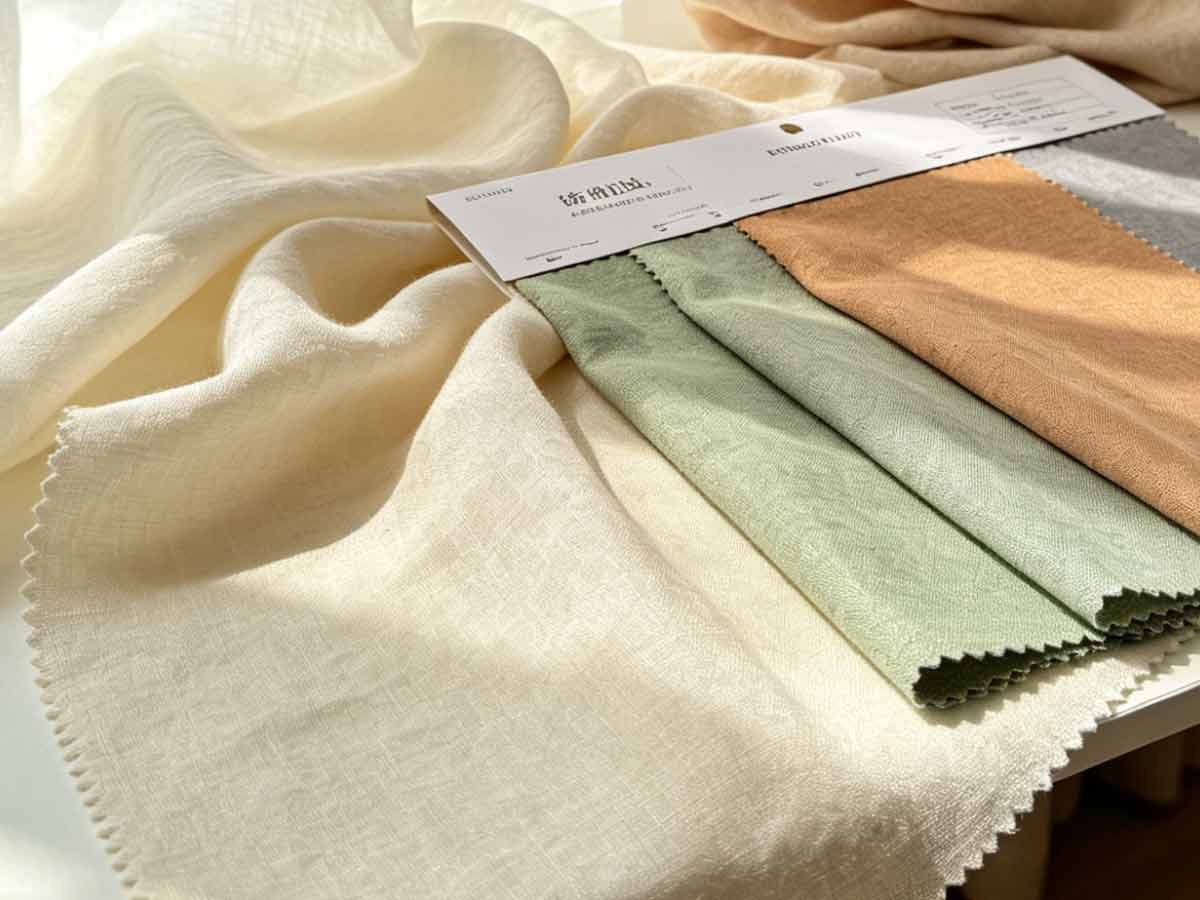
Linen is often introduced as the fabric people reach for when summer arrives, but that familiar description leaves out the decisions that make one linen garment feel polished and another feel disappointing. Two fabrics may both carry a 100% linen label, yet one can move beautifully, remain comfortable after hours of wear, and soften with washing, while the other may become transparent over the body, open at the seams, shrink unevenly, or crease in ways that disturb the silhouette. The fiber name matters, but construction, weight, finishing, and garment design matter just as much.
Linen fabric is a natural textile made from fibers extracted from the stem of the flax plant. It is known for airflow, moisture management, strength, visible texture, and a cool, dry handfeel. Its final performance depends on fiber quality, yarn construction, weave density, fabric weight, finishing, and garment design, so pure linen is not automatically the best choice for every product.
The most useful way to understand linen is to follow it from field to finished garment. That journey explains its crispness, natural irregularity, limited recovery, and distinctive response to water and wear. It also explains why a quiet-looking linen dress may require more development work than a highly decorated style. The garment that seems effortless in a campaign photograph may have passed through several fabric trials, wash tests, opacity reviews, pattern corrections, and seam checks before it ever reached the model.
What Is Linen Fabric?
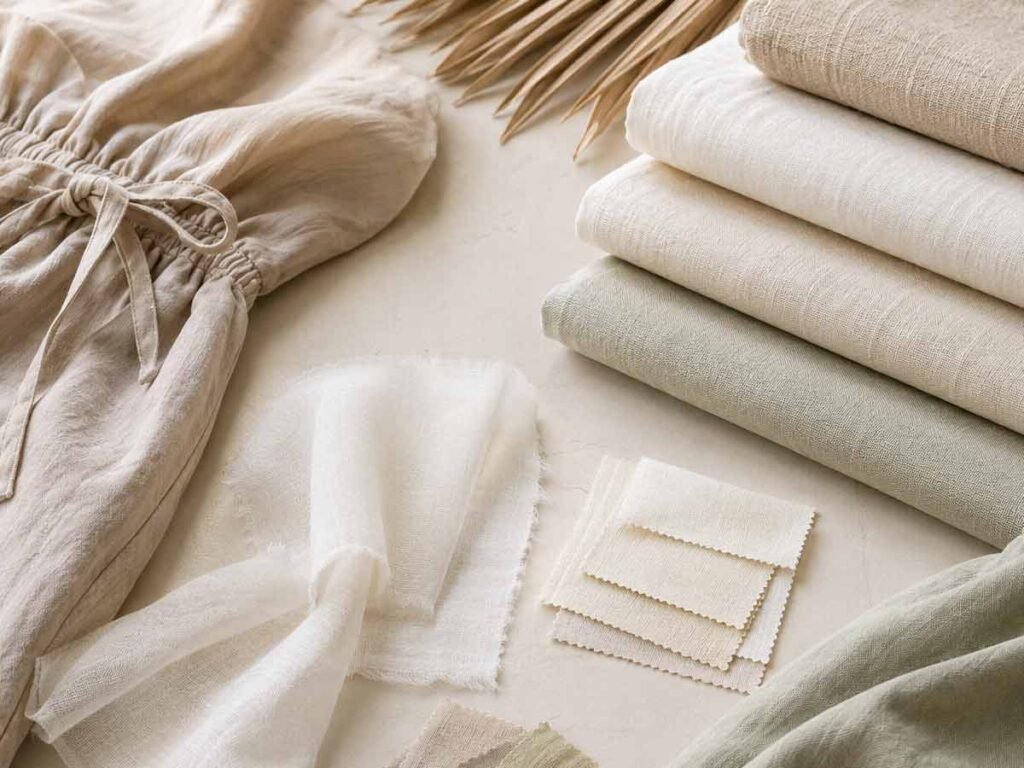
Linen is a natural textile made from fibers taken from the stem of the flax plant. It may be woven, knitted, or blended with other fibers. Its recognizable qualities include airflow, moisture movement, strength, low natural elasticity, a dry handfeel, and visible texture. The exact result varies with fiber length, yarn, construction, weight, color, finishing, and intended garment use.
What Is Linen Made From?
Linen begins with bast fibers found inside the stalk of the flax plant. Cotton grows as a soft mass around a seed, while flax fibers are bound into a firm stem and must be separated from woody and gummy plant material before spinning can begin. That structural difference helps explain linen’s dry, crisp handfeel and its lower natural elasticity. Longer, finer fibers are commonly used for smoother yarns, while shorter tow fibers can create fuller, hairier, or more visibly textured fabrics.
Fiber length is only one part of quality. Fineness, cleanliness, retting control, yarn twist, construction density, and finishing all influence the fabric that a designer eventually handles. A lightweight summer dress may use fine yarns in an open weave to create movement and airflow, while a structured day dress needs greater density and body. For this reason, a useful fabric specification should record composition, usable width, grams per square meter, construction, finish, shrinkage, color performance, opacity, lot number, and intended care method rather than stopping at the word linen.
Is Flax the Same as Linen?
Flax and linen describe connected stages rather than identical things. Flax usually means the plant or the fiber removed from its stem, while linen usually describes the yarn, fabric, garment, or finished textile made from that fiber. The distinction becomes important when a label refers to European flax, French flax, or another geographic origin. Such wording may describe where the crop was grown without confirming where the fiber was spun, where the cloth was woven, or where dyeing, finishing, and garment production took place.
A clear traceability review separates the chain into individual questions: where the flax was cultivated, where it was retted and prepared, where the yarn was spun, where weaving or knitting occurred, and where the final coloration and finishing were completed. These details matter when a fashion brand makes specific environmental, origin, or regional-production claims. The safest language is always limited to what transaction documents, certificates, and supplier records actually prove, rather than allowing an attractive fiber-origin phrase to imply a fully local supply chain.
What Does Pure Linen Mean?
Pure linen, 100% linen, or 100% flax normally means that the declared textile fiber content contains no cotton, viscose, polyester, nylon, or elastane. That statement does not tell the reader whether the fabric is soft, durable, traceable, expensive, preshrunk, or suitable for clothing. A pure linen cloth can be light and semi-sheer, softly washed and fluid, or dense and architectural. Fiber content is a fact about composition, not a complete quality grade.
The phrase linen look is different. It usually refers to a cloth designed to imitate linen through a dry surface, visible yarn irregularity, or an open natural-looking weave. The actual composition may be viscose, polyester, cotton, or a multi-fiber blend with little or no flax. Natural slubs can be attractive, but holes, weak yarn areas, contamination, repeated thick bars, and unstable tension should not be accepted merely because the material is described as rustic. Appearance must be supported by composition records and performance testing.
| Term | What It Usually Means | What Still Needs Checking |
| 100% linen | All declared textile fiber content is linen. | Weight, construction, softness, shrinkage, origin, strength, colorfastness, and finish. |
| Linen blend | Linen is combined with one or more other fibers. | Exact percentages, yarn placement, performance, care method, and labeling accuracy. |
| Linen look | The surface is designed to resemble linen. | Actual composition; the fabric may contain little or no linen. |
| Flax origin claim | The crop or fiber has a stated geographic origin. | Locations of spinning, weaving, dyeing, finishing, and sewing. |
| Washed linen | The fabric received washing or softening treatment. | Residual shrinkage, shade change, seam appearance, and repeatability in bulk. |
| Certified or traceable linen | A named standard covers a defined part of the supply chain. | Certificate validity, scope, lot coverage, and transaction documentation. |
How Is Linen Quality Judged?
Linen quality is best judged through a combination of appearance, physical performance, garment suitability, and bulk consistency. A smooth fabric is not automatically better than a textured one, and a higher linen percentage is not automatically more premium. The right cloth has an intentional surface, stable shade, usable width, suitable strength, acceptable shrinkage, and the correct balance of drape, structure, opacity, and comfort for the intended silhouette. It should also cut and sew without creating unreasonable waste or hidden production risk.
A practical review includes weave or knit evenness, repeated yarn faults, shade variation within and between rolls, seam behavior, wash appearance, colorfastness, and the way the material changes under body tension. The strongest decision comes from a full-width cutting and a sewn sample rather than a small swatch. Small samples often hide bowing, skew, side-to-center color differences, transparent areas, and repeated defects. The best linen is the fabric that looks right, wears well, survives the intended care cycle, and remains reproducible when the order moves from sample yardage to bulk production.
How Is Linen Fabric Made?
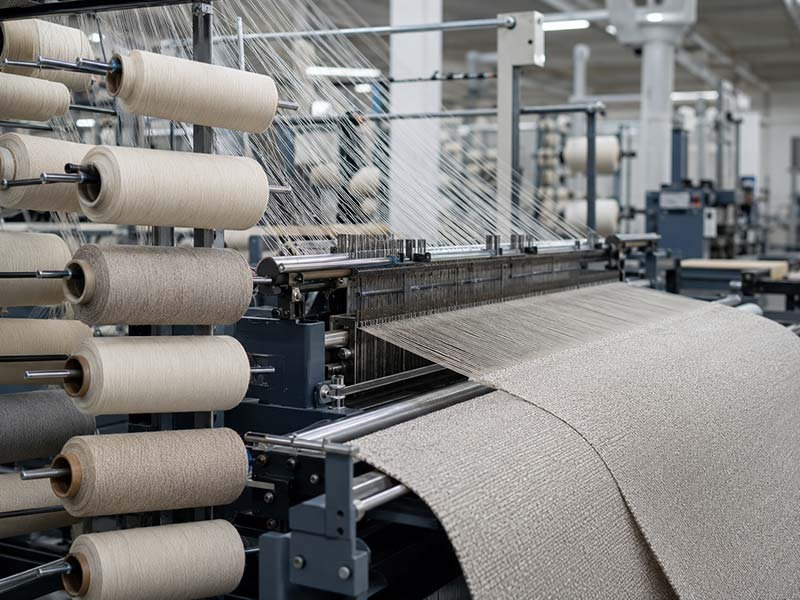
Linen production starts with growing and harvesting flax, then retting the stalks so the fibers can be separated. The fibers are broken, scutched, combed, spun into yarn, and woven or knitted into cloth. Dyeing, washing, softening, and dimensional finishing then shape the final handfeel and performance. Every stage can influence strength, texture, shade, shrinkage, consistency, lead time, and garment cost.
How Is Flax Harvested?
Textile flax is cultivated to encourage tall, relatively straight stems with long usable fibers. Harvest timing matters because immature stalks may not have developed sufficient strength, while overmature plants can become coarser and more difficult to process. Flax is commonly pulled from the ground instead of being cut well above the root, preserving more of the stem length. After drying, the stalks are arranged for retting, the controlled biological process that loosens the fiber bundles from the woody center.
Dew retting leaves the stalks in the field, where moisture, temperature, and microorganisms gradually break down the natural substances holding the structure together. Under-retting makes fiber separation difficult and can leave the material coarse or contaminated. Over-retting can weaken the fibers and lower usable yield. Weather therefore affects the character of the crop, which is one reason natural variation can remain visible even after professional spinning and weaving. Good suppliers manage that variation through fiber sorting, blending, process control, and lot-based quality records.
How Are Linen Fibers Prepared?
Once retted stalks are dry, mechanical preparation separates the useful fibers from the plant’s woody core. Breaking fractures the inner material into smaller pieces, scutching removes much of that broken matter, and hackling or combing aligns the fibers while separating longer line fiber from shorter tow. Cleaner, finer, better-aligned material can support smoother yarns, while tow often creates fuller, more irregular textures. Both can be commercially useful when they match the intended surface and price level.
Preparation quality affects much more than the rustic look associated with linen. Remaining woody particles can create dark specks, weak places, thick yarn sections, dyeing irregularity, and increased weaving faults. Poor alignment can lead to hairier yarns and inconsistent strength. At the same time, an overly polished material may lose the natural character a collection is trying to express. The goal is controlled irregularity: visible life in the fabric without repeated defects, unstable performance, or unacceptable waste during spreading, cutting, and sewing.
How Is Linen Yarn Made?
Prepared fibers are drawn together, twisted, and spun into yarn. Wet spinning is often used for finer linen yarn because moisture helps control and smooth the long fibers during the spinning process. Dry spinning generally produces a fuller and more textured yarn. The resulting yarn count, twist level, regularity, hairiness, and strength shape the finished cloth. Fine yarns can create light dress fabrics, while thicker yarns are used for stronger visual texture, firmer garments, outer layers, bags, or home textiles.
Twist requires balance. Too little twist may reduce strength and increase hairiness, while excessive twist can make a yarn feel hard and wiry. Some fabrics use fibers blended together before spinning, while others place different yarns in the warp and weft. A linen-cotton cloth with linen-rich warp yarns can behave differently from a fabric using blended linen-cotton yarn in both directions, even when the overall percentages are similar. Composition figures therefore need to be read alongside yarn structure and fabric construction rather than treated as a complete explanation.
How Is Linen Fabric Finished?
Linen yarn may be woven into plain weave, twill, herringbone, gauze, canvas, dobby, or jacquard constructions, and it can also be knitted. The unfinished fabric may then be bleached, dyed, printed, washed, softened, calendared, coated, enzyme treated, or dimensionally stabilized. Finishing can turn a dry, crisp cloth into something relaxed and softly broken in. It can also change surface friction, luster, transparency, shrinkage, color behavior, sewing response, and the way a finished garment hangs on the body.
Development approval should use the fabric in its intended final state. A pattern cut in untreated cloth may no longer balance correctly after the production fabric is softened or washed. Dark shades may show pale abrasion at seams and folds, while light colors can become more transparent after the structure relaxes. Garment washing introduces additional variables because zippers, thread, labels, elastic, interlinings, and decorative trims may react differently from the shell. The most reliable process tests the complete garment, not only a laboratory square of fabric.
| Production Stage | Main Purpose | Common Garment Risk |
| Harvesting | Preserve usable stem length and fiber maturity. | Coarse fiber, uneven quality, reduced yield, or inconsistent color. |
| Retting | Loosen fiber bundles from the woody stem. | Weak fiber, difficult separation, contamination, or variable shade. |
| Breaking and scutching | Remove woody material from the fibers. | Damaged fibers, remaining particles, excess waste, and weak yarn areas. |
| Hackling | Align fibers and separate long line fiber from tow. | Hairiness, inconsistent length, poor spinning control, and irregular texture. |
| Spinning | Convert prepared fibers into yarn. | Uneven twist, weak places, excessive slubs, and inconsistent yarn count. |
| Weaving or knitting | Build the fabric structure. | Bowing, skew, low opacity, unstable seams, and inconsistent density. |
| Dyeing or printing | Create color or pattern. | Shade variation, poor fastness, uneven penetration, and changed handfeel. |
| Washing and finishing | Adjust softness, texture, and dimensions. | Shrinkage, distortion, surface damage, seam puckering, and bulk variation. |

What Are Linen Fabric’s Properties?
Linen is breathable, moisture-responsive, relatively strong, naturally textured, and low in elasticity. It tends to wrinkle and may shrink if the construction and finish are not stabilized. Its real performance depends on fabric weight, weave density, color, finishing, garment ease, lining, and any blended fibers. A linen garment should be judged after wear, washing, and movement rather than only when freshly pressed.
Is Linen Breathable?
Linen is widely chosen for warm-weather clothing because many linen constructions allow air and moisture vapor to move through the fabric. The fibers can absorb and release moisture, helping reduce the damp, clingy feeling that can develop in tightly woven or less absorbent materials. This is one reason linen shirts, vacation dresses, relaxed trousers, and summer tailoring remain popular in hot conditions. The cool impression is strongest when the cloth and garment are designed to preserve airflow rather than simply relying on fiber content.
A dense linen canvas can feel much warmer than a lightweight cotton voile, and a fully lined fitted dress may trap more heat than an unlined relaxed silhouette made from the same shell fabric. Coatings, thick fusibles, dark colors, multiple layers, and limited body ease can reduce comfort. Designers therefore need to balance airflow with coverage, seam security, structure, and durability. Opening a weave may improve ventilation, but it can also increase transparency and seam slippage. Breathability is a system created by fiber, construction, fit, and layering together.
Does Linen Wrinkle?
Linen wrinkles because flax fibers have limited elasticity and recovery. When the cloth is folded, compressed, packed, or worn for several hours, it does not spring back as quickly as fabrics containing resilient synthetic fibers or elastane. Creases remain visible around the waist, hip, seat, elbow, and any area repeatedly placed under pressure. This behavior is part of the material’s identity, but the visual result can feel either relaxed and intentional or uncontrolled and poorly matched to the garment.
A softly washed shirt dress can carry irregular creasing naturally, while a highly fitted occasion dress may appear distorted when strong wrinkles form around a smooth waist or corset-inspired bodice. Wrinkling can be moderated through yarn choice, weave density, blending, finishing, pattern ease, and seam placement, but it cannot be eliminated from true linen without changing the material or adding performance treatments. A useful wear trial includes sitting, walking, packing, steaming, and several hours of normal use because a fabric that looks perfect after pressing may behave very differently within thirty minutes.
Does Linen Shrink?
Linen can shrink when moisture, heat, mechanical action, and drying allow stress in the yarn and fabric structure to relax. There is no responsible universal shrinkage percentage for every linen cloth. Untreated fabrics can move more than washed or stabilized materials, and lengthwise change may differ from widthwise change. Some fabrics also grow temporarily when wet before contracting during drying. The final result depends on construction, finishing history, washing method, drying temperature, and the way the garment is supported during care.
Many apparel programs use a dimensional-change target around plus or minus 3% after a specified care cycle, but the acceptable limit depends on the brand, silhouette, test method, and intended label. A relaxed dress can tolerate more movement than a fitted style with a waist seam, zipper, lining, or engineered panel placement. Testing should measure a conditioned sample or completed garment, follow the proposed wash and dry instructions, then recondition and remeasure it. Review twisting, seam puckering, shell-to-lining balance, neckline distortion, shade change, and overall appearance rather than relying on length and width alone.
Is Linen Durable?
Flax fiber has useful strength, but garment durability depends on the entire construction. A strong yarn can still produce a weak dress when the weave is too open, seams sit under constant tension, or the needle and stitch density damage the fabric. Seam slippage is a common concern in lighter woven linen: the yarns move away from the stitching line under stress, leaving visible gaps even though the yarn itself has not broken. Fitted minis, narrow skirts, armholes, back zippers, hips, and seat areas deserve particular attention.
Durability is also part of a credible sustainability story. A naturally derived garment that shrinks badly, loses shape, or opens at the seams after limited wear is not a responsible product simply because the fiber came from a plant. Strong development combines suitable seam allowance, needle size, thread, stitch density, reinforcement, pressing temperature, and care testing. The best fabric is not necessarily the heaviest. Lightweight linen can perform well in a relaxed silhouette, while very stiff cloth can develop sharp fold abrasion, pale edge marks, and uncomfortable stress points when forced into the wrong design.
| Property | Practical Effect in Clothing | Useful Development Check |
| Air and moisture movement | Supports comfort in warm conditions when the construction and fit allow ventilation. | Compare complete garments with the intended lining, layers, and body ease. |
| Low elasticity | Creates crisp shape but limited recovery after bending or compression. | Wear test after sitting, walking, packing, and several hours of use. |
| Wrinkling | Produces an intentionally relaxed or visibly creased surface. | Assess crease location, steaming recovery, and suitability for the silhouette. |
| Dimensional change | Can alter length, width, balance, zipper alignment, and lining fit. | Test the complete proposed wash and dry cycle; many programs target about +/-3%. |
| Seam stability | Determines whether yarns move away from stitching under stress. | Use seam-slippage and seam-strength tests appropriate to the end use. |
| Colorfastness | Controls shade change after washing, rubbing, perspiration, and light. | Use the brand protocol; gray-scale ratings commonly run from 1 to 5. |
| Opacity | Affects coverage, lining, and visible body tension. | Review on-body under daylight, studio light, and strong backlighting. |
| Surface durability | Influences fuzzing, pilling, abrasion, and polished wear areas. | Test likely friction zones and compare appearance before and after care cycles. |

Which Linen Types and Blends Are Common?
Common linen options include lightweight plain weave, gauze, sheeting, twill, herringbone, canvas, dobby, jacquard, and knitted constructions. Linen is also blended with cotton, viscose, lyocell, polyester, nylon, or elastane. Each option changes softness, drape, airflow, wrinkle recovery, stretch, strength, care, and cost, so the most suitable choice follows the garment silhouette rather than the highest linen percentage.
Which Linen Weaves Are Common?
Plain weave is the most familiar linen construction. It can range from very light and semi-transparent to dense and structured, depending on yarn size and thread density. Gauze and other open constructions create airy overlays, relaxed dresses, sleeves, and beachwear, but their openness can reduce opacity and seam stability. Linen sheeting normally provides a broader, smoother surface suitable for dresses, shirts, trousers, and coordinates, while linen canvas is firmer and better suited to structured panels, jackets, bags, or architectural silhouettes.
Twill and herringbone can produce a softer visual line and a different fall from plain weave. Dobby and jacquard structures create woven texture or pattern without relying only on printing, while knitted linen offers greater flexibility and fluidity but may introduce growth, edge curling, and recovery concerns. A weave name is never a full specification. Two plain-weave linens can differ enough in weight, opacity, texture, finishing, and seam behavior to require different patterns, sewing methods, linings, and care instructions.
What Are Linen-Cotton Blends?
Linen-cotton combines linen’s dry visual character with cotton’s familiar softness and broad processing flexibility. The blend often feels less crisp during the first wear and can work well for casual dresses, shirt dresses, skirts, tops, trousers, and relaxed tailoring. Cotton may improve print clarity or reduce the severe stiffness found in some pure linen constructions, but it does not automatically eliminate wrinkling or shrinkage. Both fibers are cellulosic and remain responsive to moisture, heat, and finishing.
Construction matters as much as percentage. Linen and cotton can be blended together inside the same yarn, or one fiber can dominate the warp while the other appears mainly in the weft. Those arrangements influence texture, dye uptake, skew, shrinkage balance, and the way the cloth creases. A 55% linen and 45% cotton fabric may behave very differently from another fabric carrying the same composition. Weight, yarn count, density, finishing, and fiber placement all need to be reviewed before the blend is judged suitable for a garment.
What Are Linen-Viscose Blends?
Linen-viscose blends are common in women’s fashion because viscose can add softness, fluidity, and a smoother fall. A pure linen fabric may stand away from the body, while a linen-viscose cloth can move closer through gathers, draped panels, ties, wide skirts, and relaxed midi or maxi dresses. The result often feels less rigid and can suit vacation, resort, and warm-weather collections where movement matters more than sharp tailoring.
That softer drape introduces new risks. Some viscose-rich constructions can lose strength when wet, grow while hanging, distort along the bias, or shrink during washing. A pattern developed in crisp linen may look longer, narrower, or less structured when remade in a fluid blend. Long skirts should be checked for hanging growth, and necklines, straps, armholes, and bias seams may require reinforcement. The shell and lining must be tested together because each can change dimensions at a different rate and pull the finished garment out of balance.
How Do Linen Blends Compare?
Synthetic fibers are sometimes added to linen to solve defined product problems. Polyester can improve wrinkle recovery, consistency, and care convenience; nylon can increase strength and abrasion resistance; elastane can add movement and shape recovery to fitted silhouettes. These benefits change the product experience. A polyester blend may feel less naturally dry, show more static or shine, and behave differently under heat. Elastane requires controlled relaxation before cutting, compatible needle and thread choices, and lower pressing temperatures where necessary.
No blend is universally superior. Pure linen offers crisp texture and a clear natural identity. Linen-cotton provides a softer, familiar hand. Linen-viscose supports fluid movement. Linen-polyester can be useful for travel, workwear, or products expected to remain neater after long wear. The choice should be tested as a complete garment through fitting, sitting, packing, steaming, washing, and repeat-wear observation. A carefully engineered blend can create a better dress than an unsuitable pure linen, and a high linen percentage should never be used as a substitute for product development.

Which Linen Fabric Is Best for Dresses?
The best linen for a dress matches the silhouette, body coverage, drape, structure, stretch, care method, and target price. Lightweight linen suits loose or layered styles, medium weights support many day and vacation dresses, and heavier cloth creates more structured shapes. Pure linen offers crisp texture, while cotton, viscose, polyester, or elastane blends can improve softness, fluidity, recovery, opacity, or production stability.
Which Linen Weight Suits Dresses?
Fabric weight is one of the fastest ways to narrow a linen selection, but it is only a starting point. Two fabrics with the same grams per square meter can feel completely different because of yarn size, construction density, fiber blend, washing, and finishing. Very lightweight linen creates an airy summer appearance but often needs lining, layering, or a deliberately relaxed silhouette. Medium weights are more versatile for shirt dresses, day dresses, vacation styles, and coordinates, while heavier cloth supports A-line shapes, panels, and tailored details.
The lining must be considered with the shell. A light linen paired with a heavy polyester lining can lose much of its breathable character, while an extremely light lining may cling, twist, or fail to provide enough coverage. Weight also affects gathers, seam bulk, buttonholes, zipper installation, pressing, and the way a hem moves. Full-width fabric should be reviewed before bulk approval because small swatches rarely reveal bowing, repeated faults, side-to-center shade differences, or the way a long skirt hangs across the complete usable width.
| Approximate Weight | Typical Character | Suitable Dress Uses | Main Risks to Check |
| 80-120 gsm | Very light, airy, and often sheer. | Overlays, beach dresses, loose sleeves, layered styles. | Transparency, tearing, yarn movement, and seam slippage. |
| 120-160 gsm | Light with soft summer movement. | Sundresses, relaxed minis, shirt dresses, gathered styles. | Shrinkage, opacity, neckline growth, and weak stress points. |
| 160-220 gsm | Medium weight with broader versatility. | Midi dresses, vacation dresses, day dresses, and coordinated sets. | Bulk at gathers, drape consistency, seam stability, and lining balance. |
| 220-300 gsm | Firm, substantial, and more structured. | A-line dresses, fitted panels, workwear-inspired styles. | Stiffness, heat, pressing marks, seam thickness, and mobility. |
| Above 300 gsm | Heavy and architectural. | Structured bodices, corset-inspired panels, jackets, and hybrid pieces. | Garment weight, restricted movement, bulky seams, and sharp fold abrasion. |
How Do Drape and Opacity Affect Fit?
Drape describes how the fabric falls and moves around the body, while opacity describes how effectively it blocks light and conceals what is underneath. Both change the perceived fit even when the measurements remain identical. A crisp linen may stand away from the waist and create controlled volume, while a linen-viscose blend can collapse closer to the body and make the same pattern appear longer, slimmer, or less structured. A heavy cloth can hold an A-line form, whereas a light fabric may lose the intended silhouette.
Opacity must be checked under tension. A fabric that looks solid on a cutting table may become transparent across the bust, hip, or seat when the weave opens. White, cream, pastel, and open constructions require particular care. Review the garment in daylight, studio lighting, and strong backlighting, using the intended underwear color and several body sizes. Lining can solve coverage problems, but it also changes warmth, movement, cost, seam bulk, and drape. Partial lining, double self-fabric panels, or carefully placed opacity zones may preserve more airflow than automatically lining the entire dress.
Which Linen Blends Suit Dresses?
Pure linen suits designs that need visible texture, crisp movement, breathability, and an intentionally relaxed crease pattern. It is a natural match for shirt dresses, sundresses, loose minis, tiered styles, A-line shapes, and structured resortwear. Linen-cotton works well for everyday dresses that need a softer first touch, while linen-viscose is often more suitable for fluid midi and maxi dresses, gathered skirts, draped panels, and soft ties. Linen-polyester can support travel, workwear, or styles where neater recovery is commercially important.
The blend needs to follow the silhouette. Rigid non-stretch linen can restrict movement and overload seams in a true bodycon dress. A very fluid linen-viscose cloth may not support a corset-inspired bodice without internal structure. Lightweight linen can collapse in a skirt designed to hold volume, while heavy cloth can overwhelm delicate gathers and sleeves. Stretch linen requires relaxation before cutting and careful heat control. The final choice should compare fabric weight, stretch percentage, recovery, shrinkage, opacity, handfeel, and cost through comparable sewn samples rather than relying on swatch photographs.
Which Tests Matter Before Production?
Testing should follow the risks created by the actual garment. Dimensional stability matters because uncontrolled shrinkage can alter garment length, waist position, sleeve shape, zipper alignment, and shell-to-lining balance. Colorfastness may need to cover washing, dry and wet rubbing, perspiration, and light, with results often reported on a 1-to-5 gray scale. Many commercial programs look for results around grade 4 or better on key properties, but the correct limit depends on shade, product type, market, and the brand’s own protocol.
Open weaves and fitted silhouettes deserve seam-slippage and seam-strength checks, while softer blends may also need pilling, abrasion, or snagging review. Opacity belongs in an on-body fitting under several light sources, not only in a laboratory. Appearance after washing is equally important because a fabric can pass a single strength test yet produce an unattractive garment after care. The approval package should connect lab data with fit samples, wear trials, pressing trials, and complete-garment wash tests so the technical result supports what the customer will actually see and feel.
Care instructions must reflect the complete garment rather than a generic rule for linen. Many washable styles perform well with mild detergent, moderate water temperature, limited mechanical action, and controlled drying, but a lined linen-viscose occasion dress may require different handling from an unlined pure linen shirt dress. High heat can increase shrinkage and set hard creases. Removing a garment while slightly damp can make reshaping and ironing easier, while long fluid styles need to be checked for hanger growth and distortion during storage.
A production-ready linen dress should be assessed for composition, weight, usable width, dimensional change, colorfastness, seam behavior, tearing or tensile performance where relevant, fabric bowing and skew, opacity, pilling or abrasion, appearance after washing, and the performance of zippers, buttons, elastic, labels, interlinings, and decorative trims. These checks do not make a garment complicated; they prevent simple material choices from turning into returns, customer complaints, and unstable repeat orders after the product reaches the market.
Planning a Linen Dress Collection? Duolan Apparel supports fashion brands with fabric sourcing, fabric-to-silhouette matching, pattern and fit development, sampling, garment testing coordination, and production planning for linen and linen-blend dresses. Share a tech pack, reference sample, fabric direction, target price, size specification, or collection mood so the development team can review material options and identify practical risks before bulk production begins.