What Will Shape Halter Dress Development Trends for 2027?
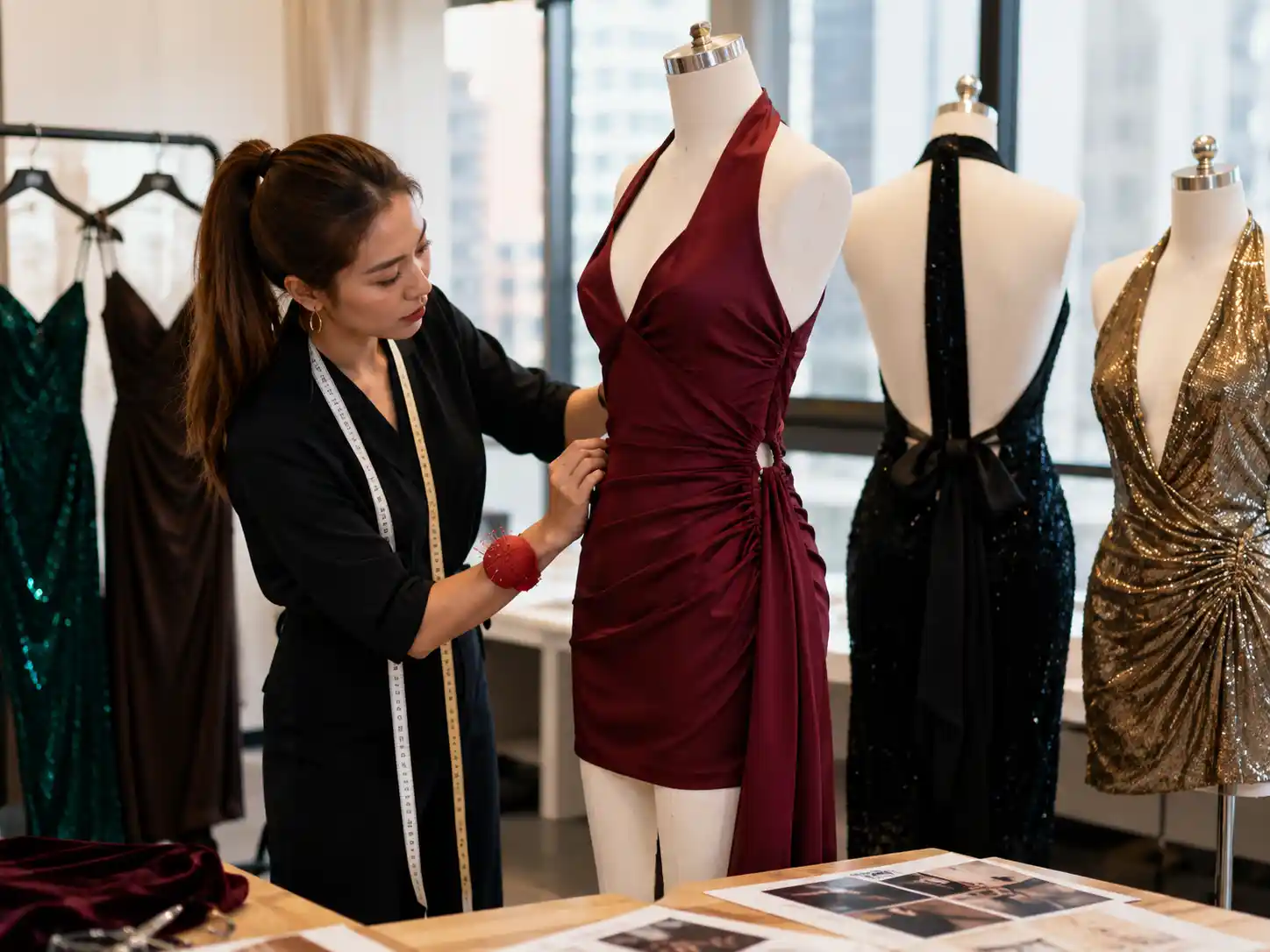
Halter dress development in 2027 will be shaped by sculpted necklines, open-back construction, elongated proportions, controlled draping and more deliberate internal support.

Halter dress development in 2027 will be shaped by sculpted necklines, open-back construction, elongated proportions, controlled draping and more deliberate internal support.
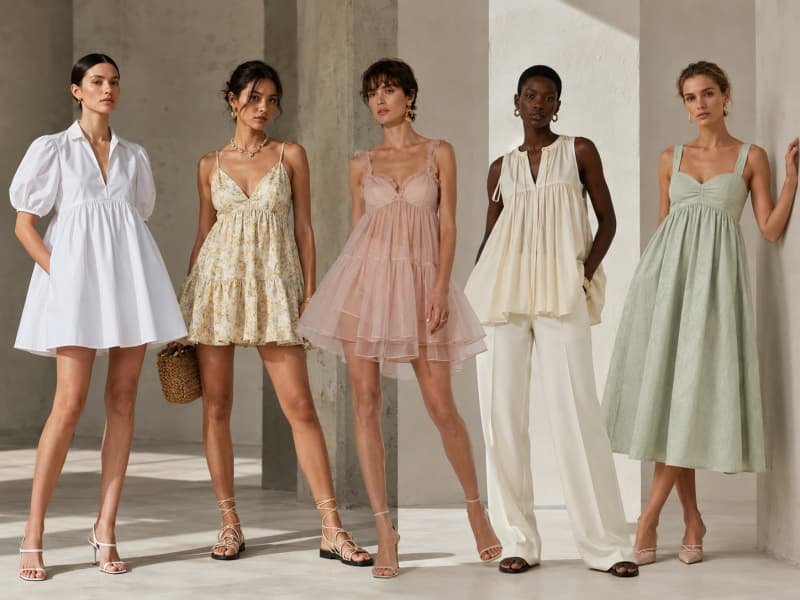
Babydoll dresses for 2027 will be shaped by controlled volume, varied lengths, tactile lightweight fabrics, mature romantic details and stronger fit engineering.
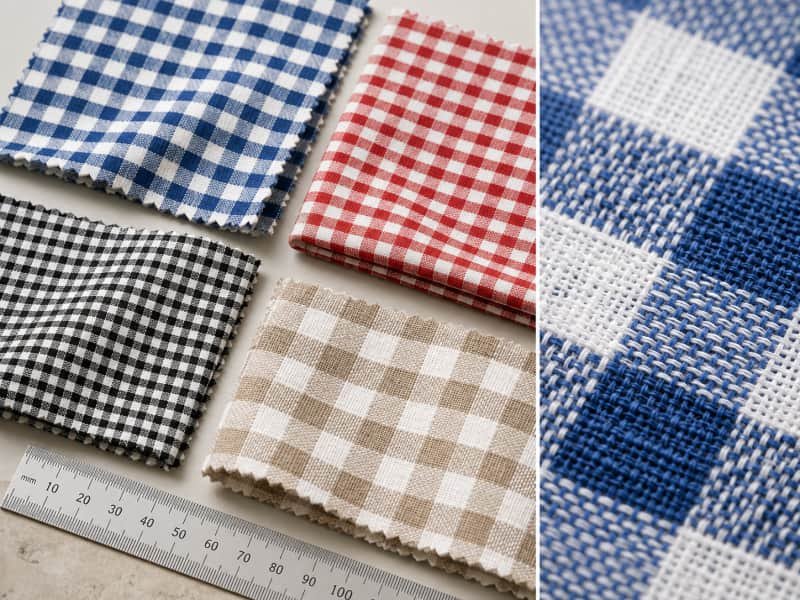
Gingham is traditionally a plain-woven, yarn-dyed fabric made by crossing white yarns with yarns of another color to create balanced checks.
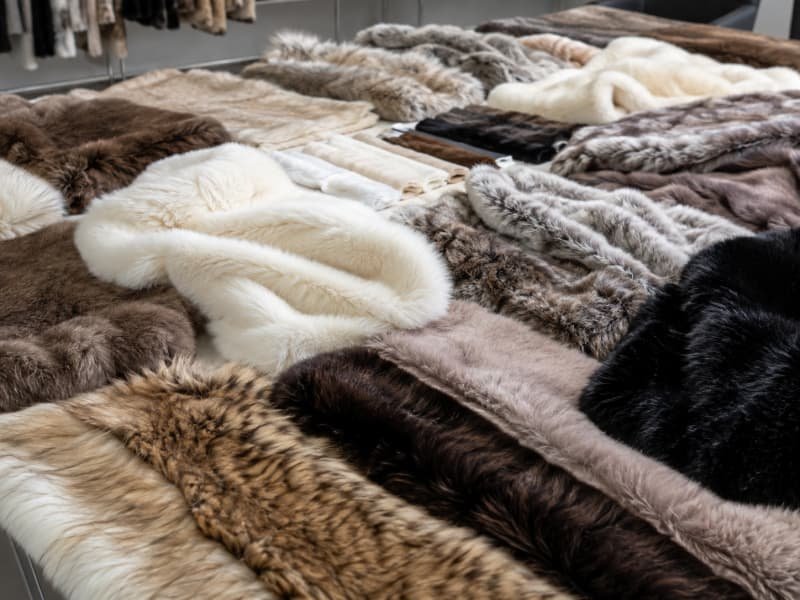
Faux fur is a pile textile made to imitate the appearance, softness, volume, or warmth of animal fur without using an animal pelt. Most commercial versions use polyester, acrylic, modacrylic, nylon, or blended fibers held by
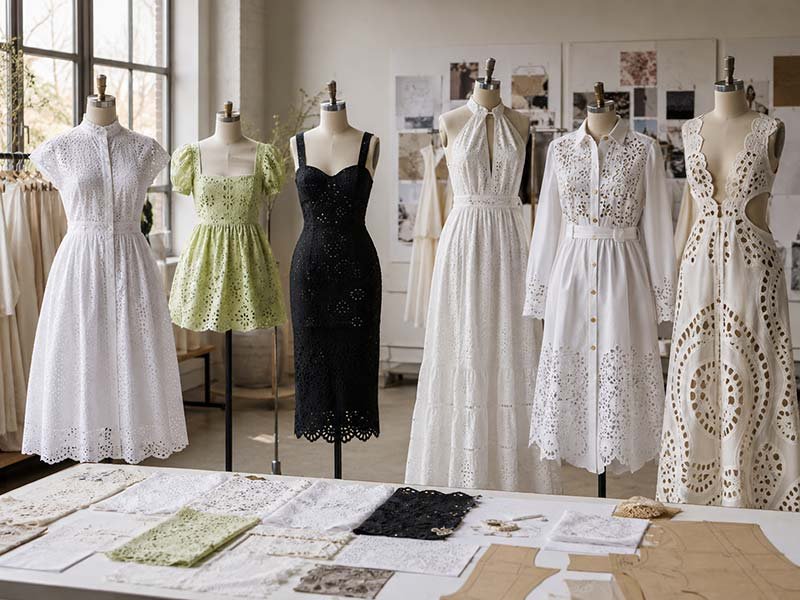
The eyelet dress trends most likely to shape 2027 are modern femininity, cleaner silhouettes, larger or engineered embroidery motifs, expanded color choices, selective transparency and closer coordination between fabric, lining and fit. White cotton styles will
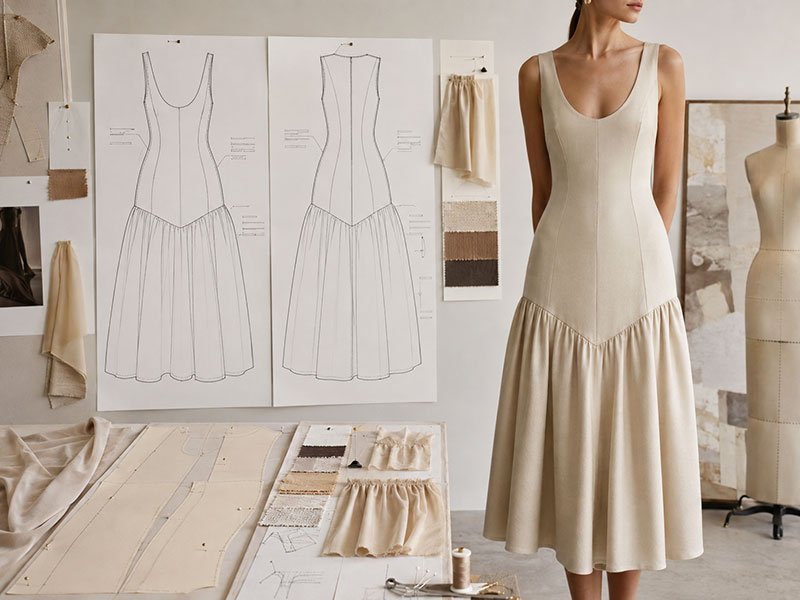
Drop-waist dresses in 2027 will be shaped by controlled proportion rather than one fixed waist position.
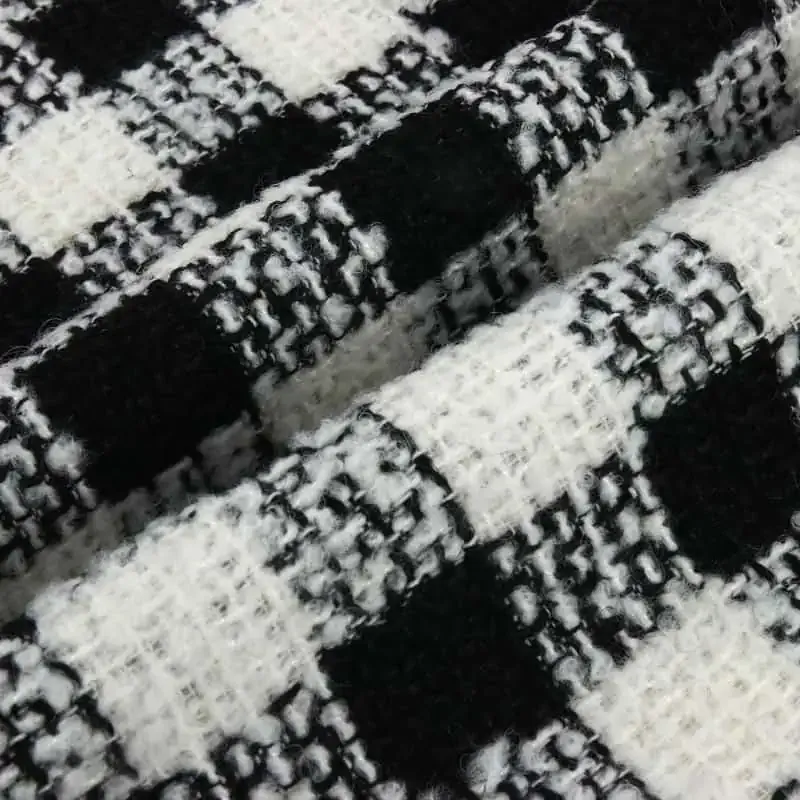
Tweed is a textured woven fabric traditionally made from wool, although modern versions may also contain cotton, polyester, acrylic, viscose, silk, metallic yarns, or elastane.
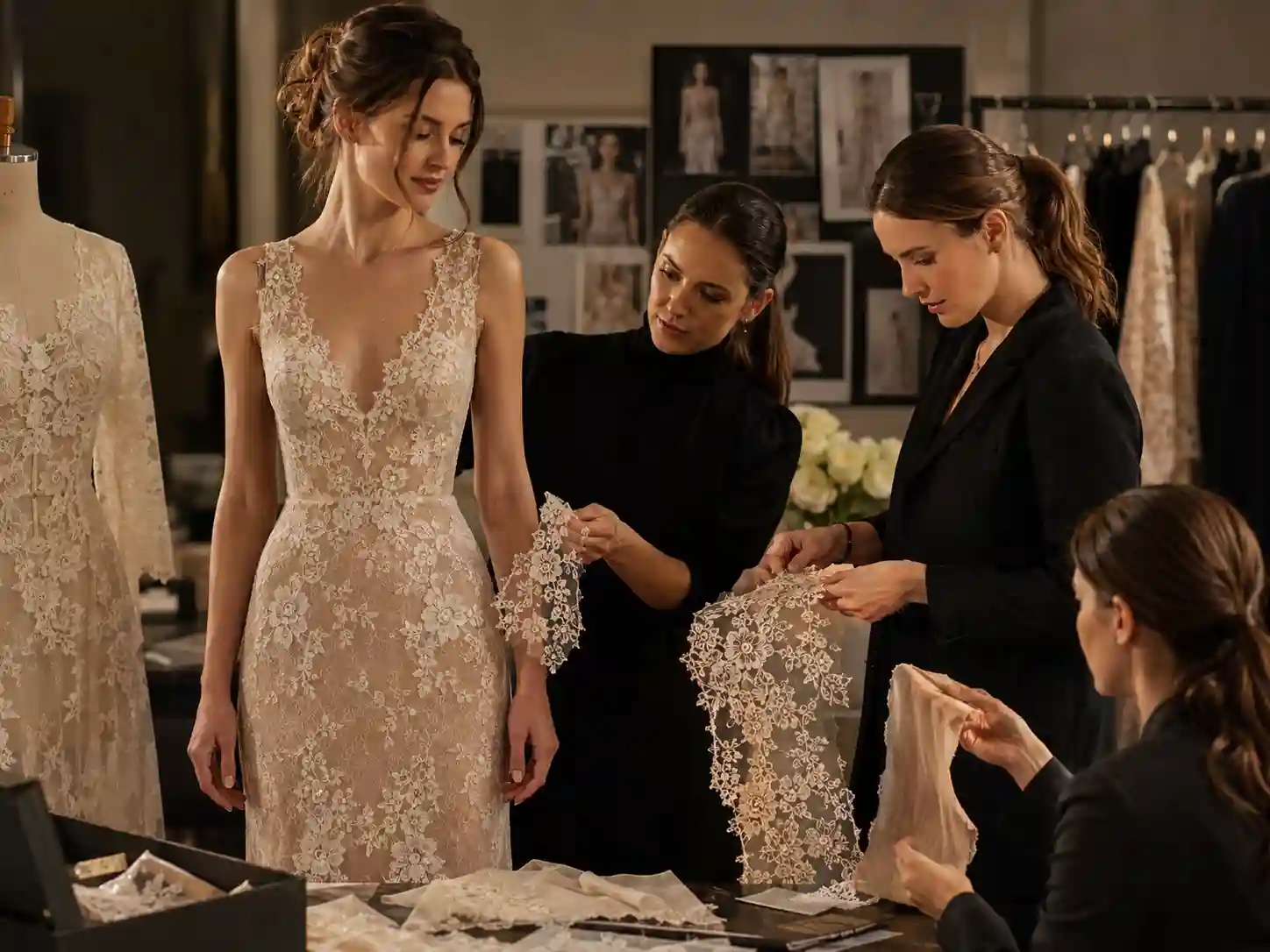
The key lace dress development trends for 2027 are controlled transparency, lighter layered construction, integrated corsetry, refined lace trims, geometric or abstract motifs, expressive color and occasion-ready silhouettes.
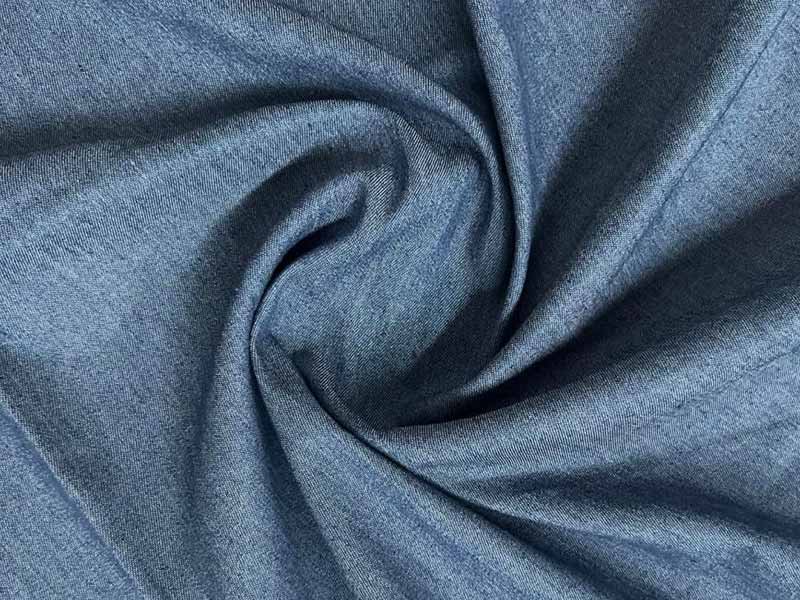
Denim is a durable woven fabric traditionally made from cotton in a warp-faced twill construction.

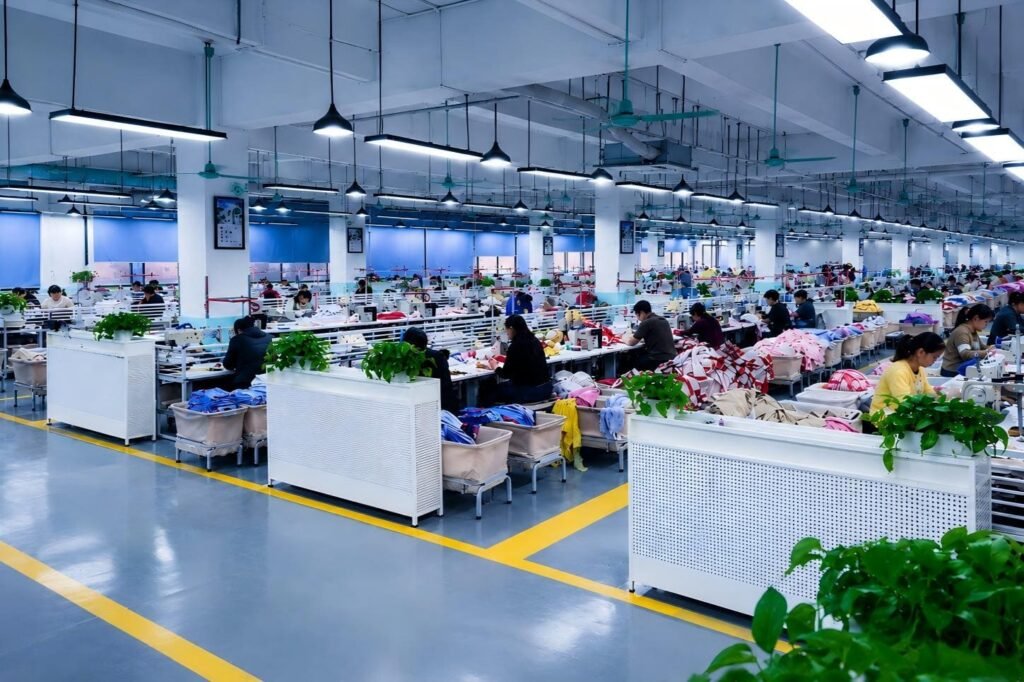
Red flags in dress manufacturer selection include unclear sampling systems, weak fabric and fit understanding, inconsistent production quality, poor communication structure, and inability to scale from sample to bulk.