Skip to content

How to Keep Off-Shoulder Necklines in Place: Fit, Elastic, Support, and Production Control?

The most reliable way to keep an off-shoulder neckline in place is to balance the neckline pattern, upper-body fit, elastic or internal support, fabric behavior, and sleeve movement.
How to Grade Backless Dresses Without Losing Fit, Coverage, or Support?

To grade backless dresses successfully, start with an approved base-size pattern and separate normal body growth from design-sensitive areas.
How to Develop a Mesh Corset Dress: From Fabric and Fit to Production

A successful mesh corset dress is developed by defining the silhouette and support level first, then matching mesh, lining, cups, boning, pattern shaping, and closure construction to that goal.
How to Balance Bust, Waist and Hip Measurements for Better Dress Fit?

To balance bust, waist and hip measurements, begin with accurate body measurements, compare them with the pattern and finished garment measurements, then adjust or blend the pattern where different body areas require different sizes.
How Does Fabric Drape Change a Cowl Neck?
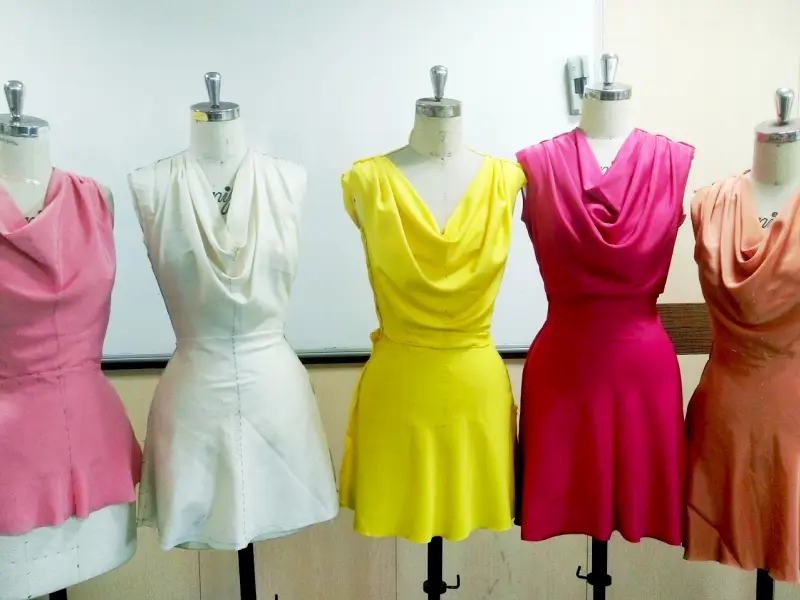
Fabric drape changes a cowl neck by controlling how far the neckline falls, how many folds appear, how rounded or structured those folds look, how closely the fabric follows the bust, and how stable the opening remains during movement.
How Do You Develop a Corset Mini Dress from Design to Production?

A well-developed corset mini dress begins with a clear silhouette and support target, then moves through fabric selection, internal construction, pattern development, fitting, sampling, grading, and production validation.
High-Low Dress Hem Development: How Do You Control Shape, Drape, and Bulk Consistency?
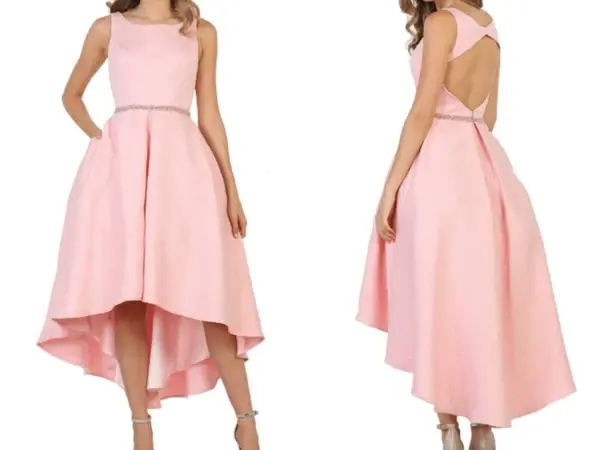
A reliable high-low hem is developed by controlling the front-to-back drop, the transition through the side seams, fabric drape and bias growth, the hem-finishing method, and the measurement standards used during sampling and bulk production.
Gathering vs Ruching: What Is the Difference in Dress Construction?
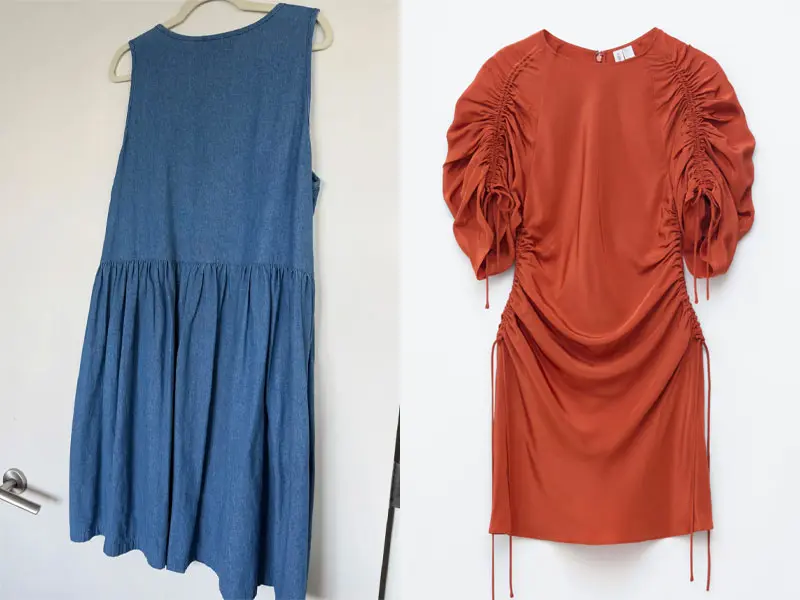
Gathering primarily controls and distributes fullness, while ruching deliberately keeps compressed folds visible to create texture, shaping, or adjustable length.
Draping on Mannequin vs Flat Pattern Development: Which Method Should Fashion Brands Use?
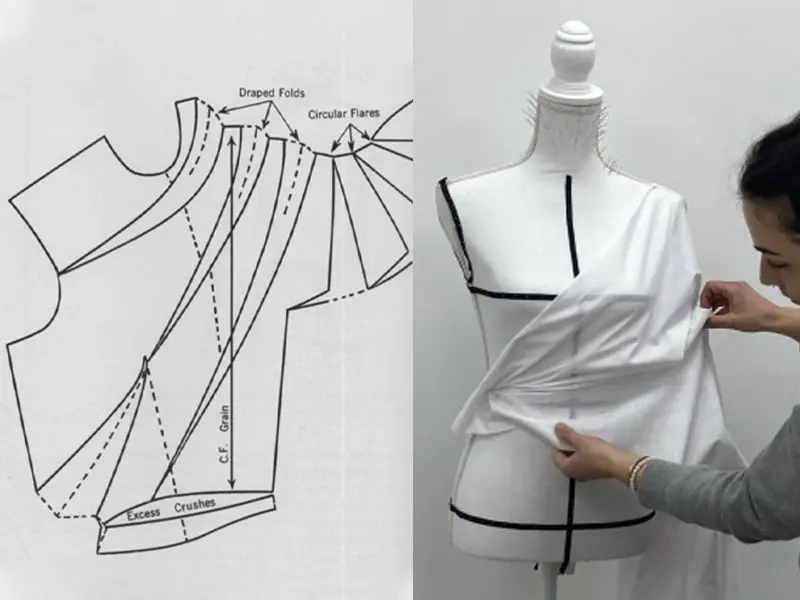
Mannequin draping is usually better when silhouette depends on gravity, folds, bias, asymmetry, or complex three-dimensional shaping.