Skip to content
How Is a Basque Waist Dress Constructed for Fit, Shape, and Production?

A Basque waist dress is constructed by extending a fitted bodice below the natural waist, shaping the lower edge into a controlled V or curve, drafting the skirt to match that seam, and stabilizing the angled sections before assembly.
How Does Strap Placement Change Backless Dress Fit : A Guide to Support, Gaping, and Bodice Balance
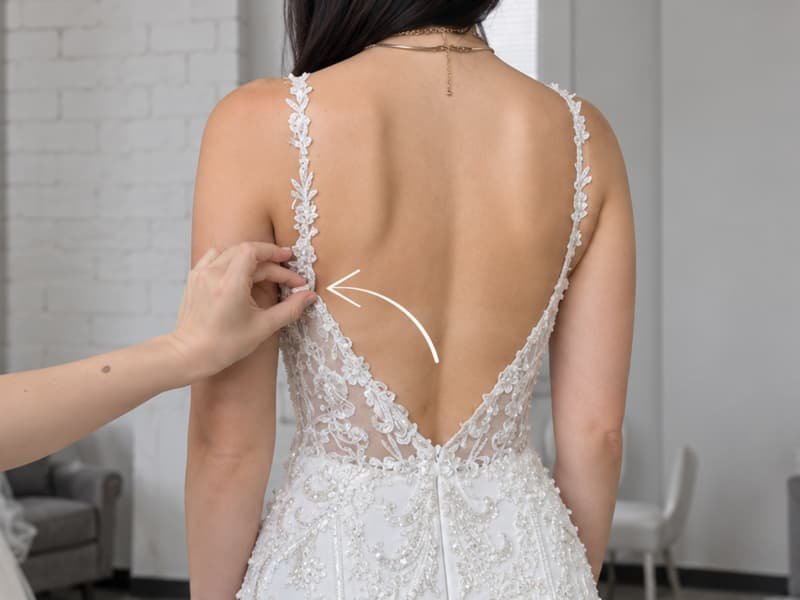
Strap placement changes backless dress fit because every strap creates a load path between the front bodice, shoulder or neck, and the remaining back structure.
How Is a Babydoll Dress Constructed : A Technical Guide to Pattern, Fit, Gathering and Production
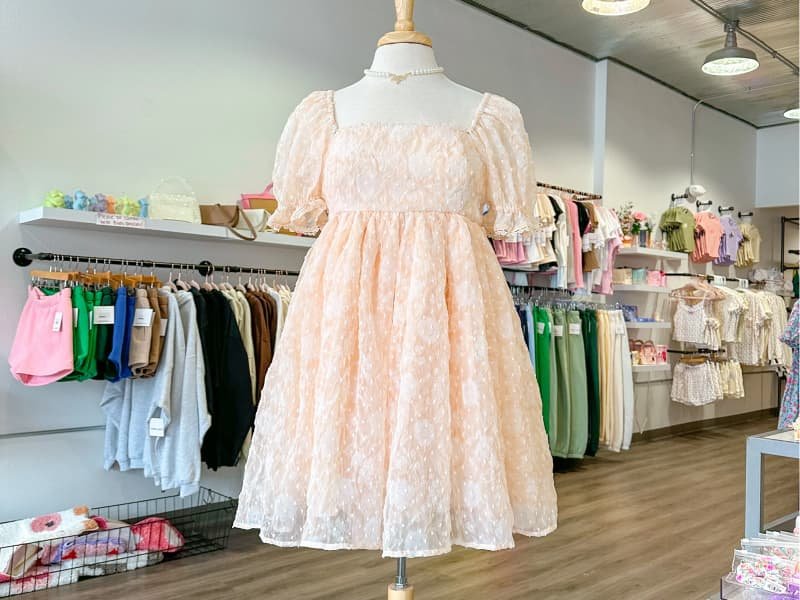
A babydoll dress is constructed around a shortened bodice and a raised waist or empire seam, with controlled volume released below that point.
A-Line Dress vs Skater Dress: What Is the Difference and Which Silhouette Should You Choose?
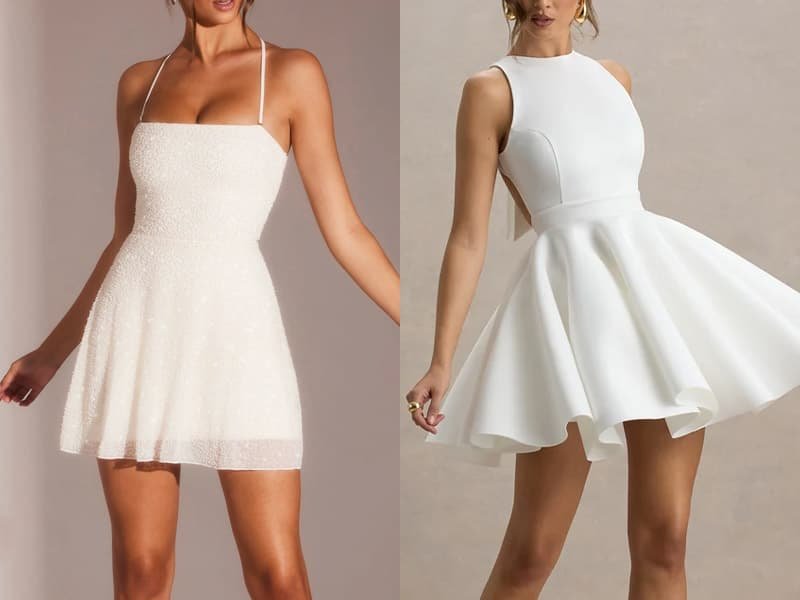
An A-line dress widens progressively toward the hem, usually creating a cleaner and more continuous A-shaped outline.
Adjustable Strap vs Fixed Strap Dresses: Which Is Better for Fit, Support, and Production?
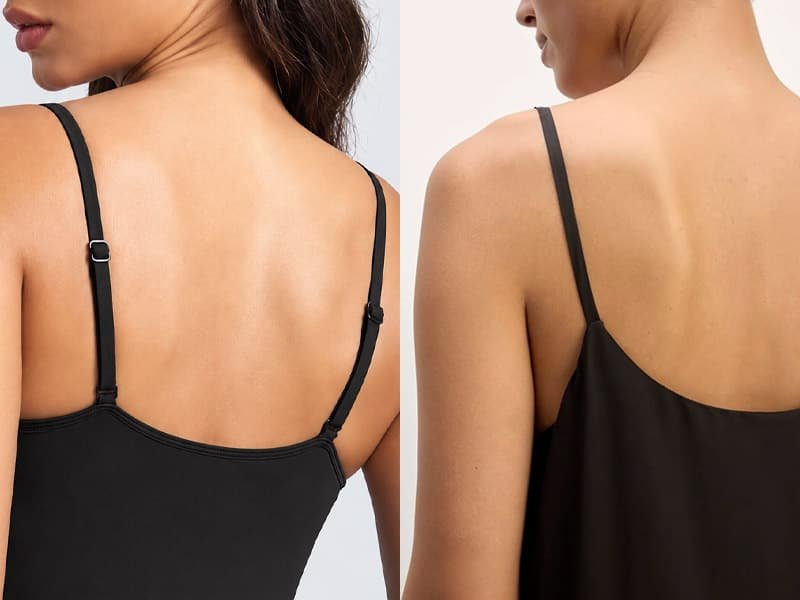
Adjustable straps are usually better when a dress needs flexibility across different torso lengths, bust positions, or neckline preferences.
Bodycon Dress vs Sheath Dress: What Is the Difference and Which One Should You Choose?
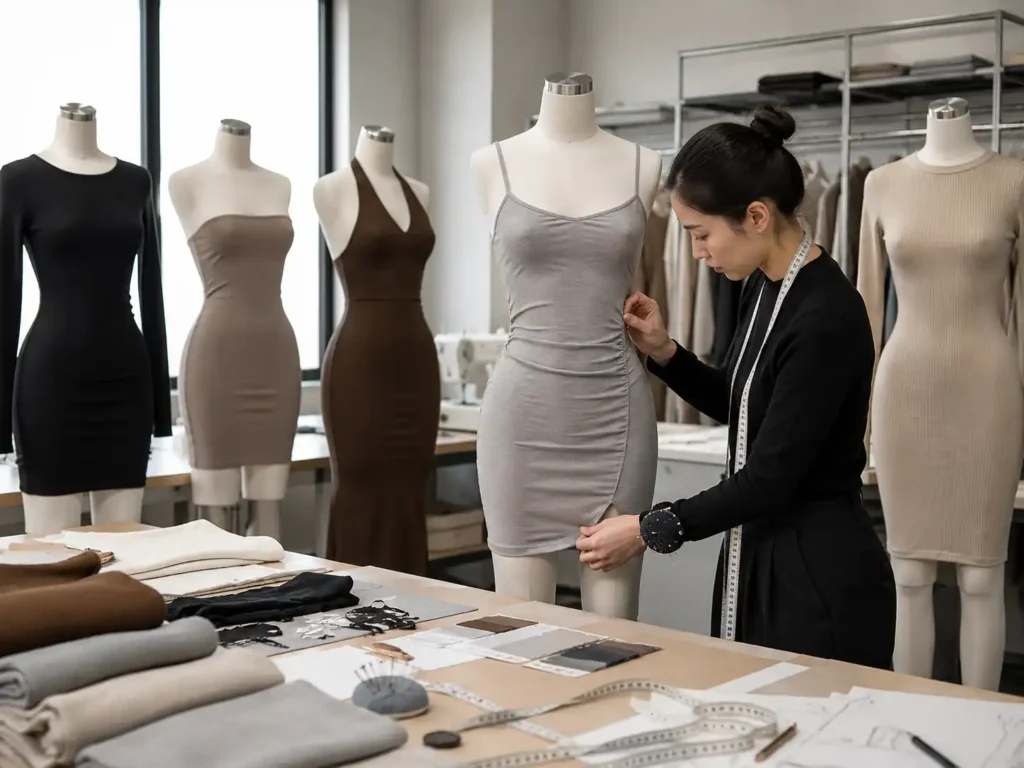
A bodycon dress closely follows the bust, waist, hips, and often the thighs, usually through stretch fabric and negative ease.
How Can Brands Use Romantic Lace and Velvet for Fall/Winter Collections?
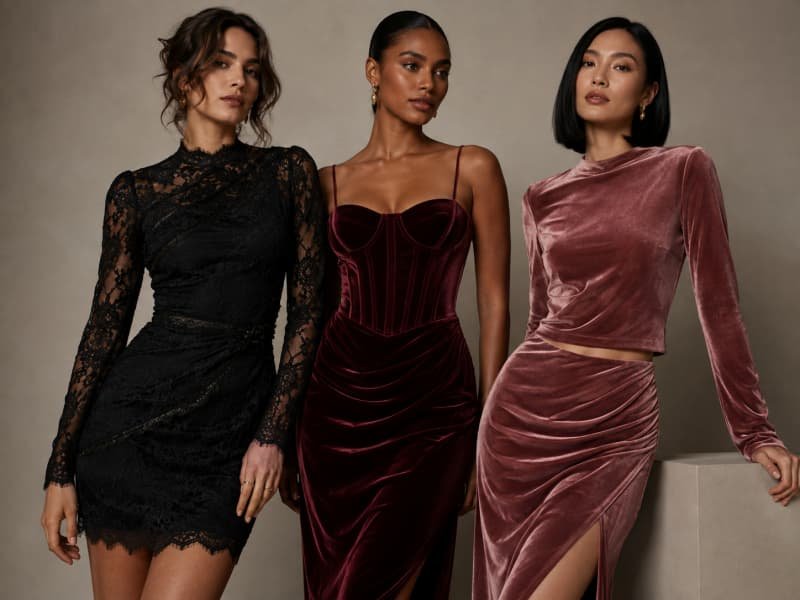
Brands can use romantic lace and velvet successfully by matching each fabric to the right silhouette, controlling decoration, building a focused color story and testing fit, stretch, shade and construction before bulk production.
Bodycon Dress Construction: How Do Fabric, Fit and Recovery Work Together?
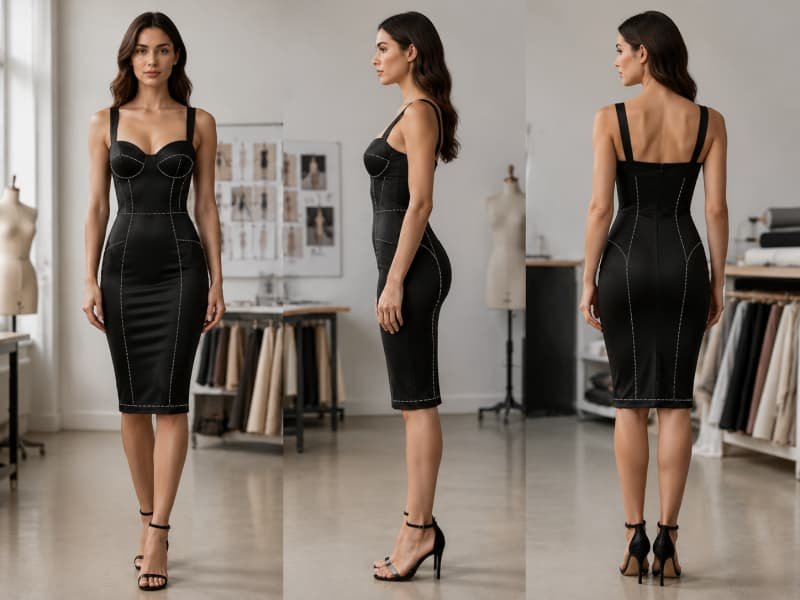
A well-constructed bodycon dress combines a suitable stretch fabric, carefully distributed negative ease, balanced bust-waist-hip proportions and dependable elastic recovery.
How Do Fashion Brands Translate Runway Trends into Commercial Dresses?
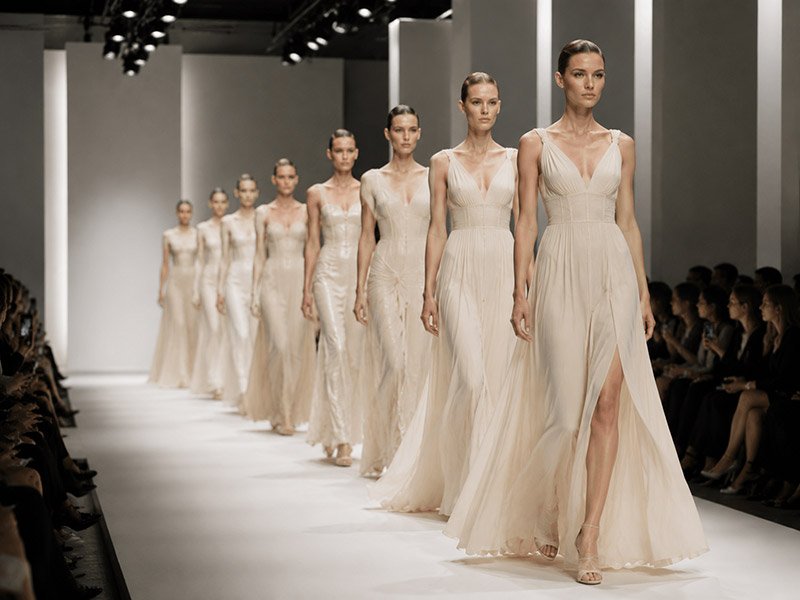
Fashion brands translate runway trends into commercial dresses by isolating the strongest visual signal, checking it against the customer, occasion, price and brand identity, and then rebuilding the silhouette, fabric, fit and construction for repeatable production.
How Do Modern Fashion Brands Develop Gingham Dresses?
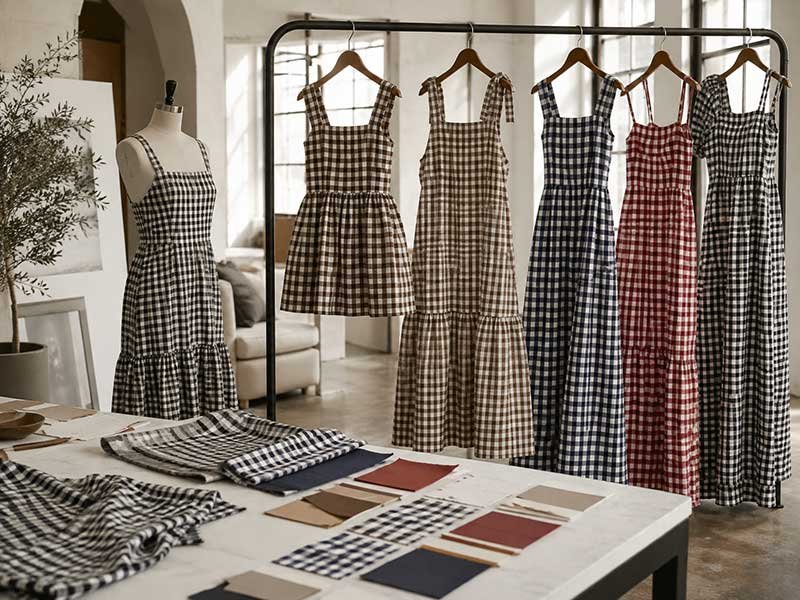
Modern fashion brands develop gingham dresses by selecting a check scale and fabric structure that suit the intended silhouette, then controlling fit, pattern placement, sample approvals and production standards together.